
Companion Plants
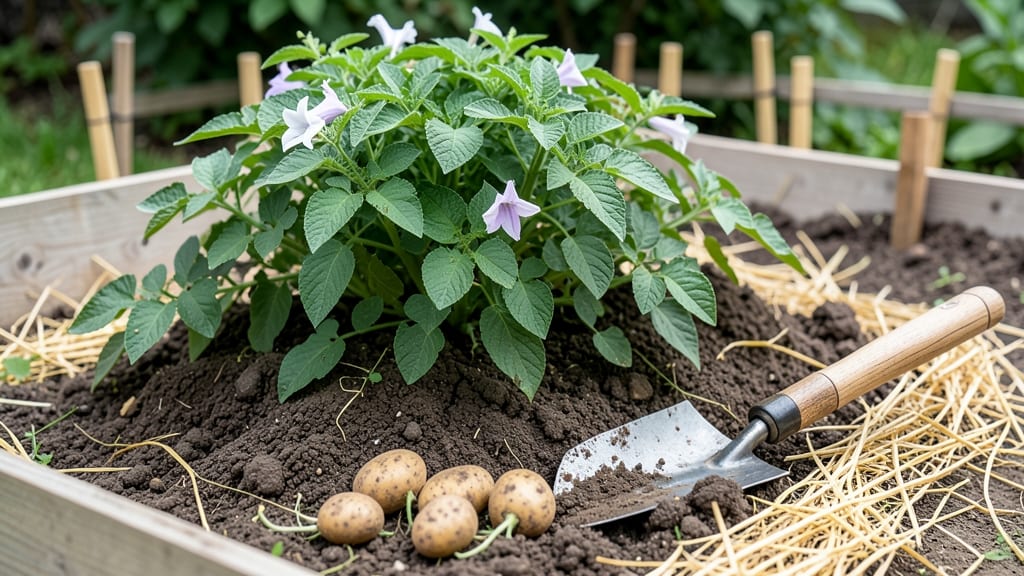
Planting your 🥔 potatoes at the wrong time in Pennsylvania could mean the difference between a bumper harvest and wasted effort—especially when late frosts lurk around every corner.
The key to success lies in understanding your USDA zone, soil temperature triggers, and the exact frost-free deadlines that separate thriving tubers from disappointing failures.
I’ve grown potatoes in Pennsylvania’s 5a-7b zones for years, and the 3-week window between late March and early April is where most gardeners either win big or lose it all. Too early, and cold soil stunts growth; too late, and you risk missing the 90-day window before harvest.
Let me show you exactly when to plant based on your zone—plus how to adjust for unpredictable spring weather.
Most gardeners focus only on frost dates, but the real secret is soil temperature. Potatoes need 45°F soil to thrive, and waiting for that magic number—even if it means delaying planting—saves you from rot and poor yields.
I’ll walk you through how to test your soil, choose the right varieties for your zone, and even troubleshoot those pesky cold-wet springs that Pennsylvania loves to throw at us.
Ready to turn your potato patch into a goldmine? By the end of this guide, you’ll know not just when to plant, but how to set yourself up for a harvest that’ll make your neighbors jealous. Let’s get those spuds in the ground the right way.
Potato planting deadlines in PA by hardiness Zone (6 & 7)
Pennsylvania’s USDA Zones 6 and 7 create distinct planting windows for potatoes. In Zone 6 (northern PA), where last frosts often hit mid-April, aim to plant 2-4 weeks before that date—typically late March to early April.
Gardeners in Zone 7 (southern PA) can start slightly earlier, around late February to mid-March, thanks to milder winters.
Missed the spring window? Don’t worry—PA’s climate also allows for late-spring plantings (May) for new potatoes, though yields may be smaller. The key is soil temperature, not just calendar dates. Your potatoes need 45°F (7°C) soil to thrive, which we’ll cover in the next section.
Pro tip: Use PA State Extension’s frost maps (like this resource) to pinpoint your exact last frost date. For example, Pittsburgh (Zone 6b) averages its last frost on April 15, while Philadelphia (Zone 7a) sees frost-free skies by April 1.
Here’s how to adjust your planting timeline based on your potato variety:
🥔 PA Potato Planting Deadlines by Zone & Variety
| Zone | Planting Window | Early Varieties (60-90 days) | Mid Varieties (90-110 days) | Late Varieties (110+ days) |
|---|---|---|---|---|
| Zone 6 (e.g., Erie, State College) | Late March–Early April | Early April (chit potatoes by March 15) | Late March–Early April | Late March (for fall harvest) |
| Zone 7 (e.g., Philadelphia, Harrisburg) | Late February–Mid-March | Mid-February (chit indoors) | Late February–Early March | Late February (extend season) |
| Late-Spring Backup (Both Zones) | Early May (new potatoes only) | Early May (fast-maturing types) | Not recommended | Not recommended |
*Chitting = pre-sprouting seed potatoes in light for 2-4 weeks before planting.
For Zone 6 gardeners, early planting is critical—cold, wet soils can stunt growth. If your soil is below 45°F in early April, wait or use row covers to warm the soil faster.
In Zone 7, you can push the envelope with late February plantings if you use a cold frame or greenhouse to protect tender sprouts.
Remember: Potatoes hate heat during germination. If you plant too early and face a late frost, use frost cloth to shield young plants. Conversely, planting too late (after May 1) risks blight from summer humidity—a common issue in PA’s Zone 7.
My personal rule? Plant early varieties first (like ‘Red Norland’) in late March, then follow with mid-season types (like ‘Kennebec’) two weeks later. This staggered approach ensures a continuous harvest from June through August.
Need a quick reference? Bookmark PA’s Frost-Free Date Map (link here) and adjust your schedule based on your elevation—mountain regions (e.g., Poconos) may need to wait 1-2 weeks longer than valley areas.
Finally, mark your calendar for harvest deadlines: Early varieties like ‘Yukon Gold’ are ready by late June, while late types like ‘Russet Burbank’ may need until early September in Zone 7. Timing is everything!
Ideal soil temperature for planting potatoes in Pennsylvania
Most Pennsylvania gardeners make one critical mistake when planting potatoes: they focus on frost dates instead of soil temperature. Your potatoes won’t thrive if planted in cold, wet soil, no matter how many weeks before the last frost you start.
The magic number for potatoes is 45°F (7°C)—this is when roots begin growing actively and disease risks drop dramatically.
I’ve seen too many gardeners rush planting in March only to watch their seed potatoes rot in cold, soggy ground. Waiting for that 45°F threshold might mean delaying planting by a week or two, but it’s worth it for a healthy harvest.
In Zone 6 (northern PA), this often means waiting until mid-April, while Zone 7 (southern PA) can plant as early as late March.
🔍 How to test your soil temperature: Use a simple soil thermometer (available at garden centers for under $10). Stick it 4-6 inches deep—the depth you’ll plant your potatoes—and check it in the morning.
If it’s consistently 45°F or warmer for 3-5 days, it’s time to plant. Pro tip: Test at 10 AM for the most accurate reading, as early morning temps can be misleadingly cold.
Warning: Cold Soil = Rot Risk
Planting potatoes in soil below 45°F triggers waterlogged conditions, leading to:
- ✖️ Seed rot (your potatoes never sprout)
- ✖️ Blight diseases (especially in wet springs)
- ✖️ Stunted growth (plants emerge weak and yellow)
Solution:
- 🌱 Wait until soil hits 45°F (use a thermometer!)
- 🔥 Use black plastic mulch 1-2 weeks before planting to warm soil faster
- 🛡️ Add compost to improve drainage in heavy clay soils
If your soil is still too cold when you’re ready to plant, don’t panic. Row covers (lightweight fabric) can create a 5-10°F warmer microclimate around your potatoes. I’ve used them successfully in Zone 6 to plant as early as late March.
Just remove covers once plants emerge to prevent overheating. For extra insurance, choose early-maturing varieties like ‘Red LaSoda’ (70 days to harvest) to minimize frost risk.
One more pro tip: If you’re planting in sandy soil, which warms up faster, you can plant 1-2 weeks earlier than the 45°F rule suggests. Test your soil’s drainage first—if water pools after 6 hours, amend with compost or peat moss to improve structure.
Well-draining soil is just as critical as temperature for potato success.
Remember, the 3-week window between soil warming and last frost is your sweet spot. Use a frost calendar from Penn State Extension (like their PA Frost Freeze Guide) to cross-reference with your soil temps.
When both align, you’re ready to plant for a harvest that’ll make your neighbors green with envy.