
Plants
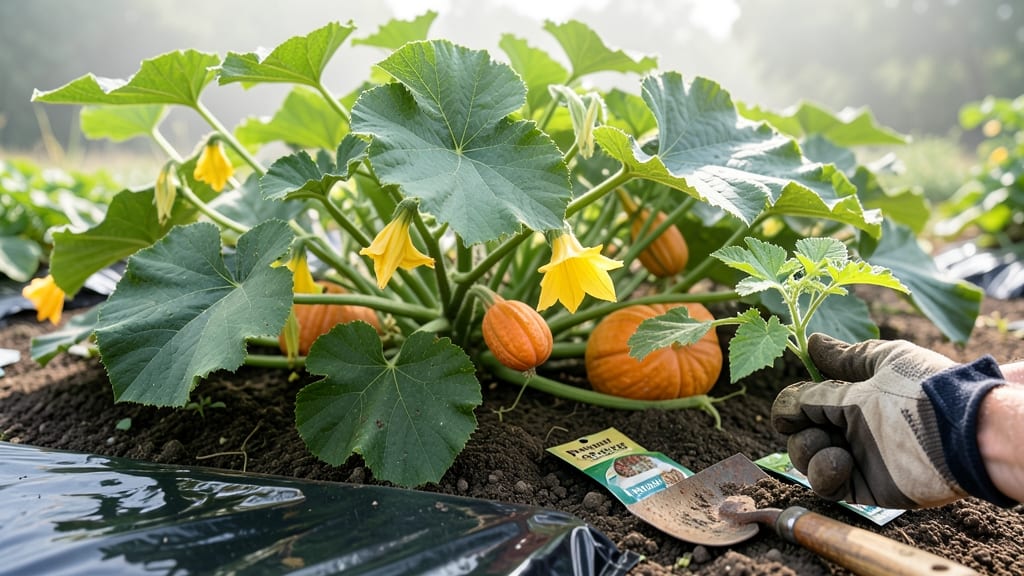
Planting pumpkins in California isn’t just about tossing seeds into the dirt—it’s about timing them perfectly to beat the state’s wild swings from coastal chill to desert heat.
Whether you’re growing 🎃 sugar pumpkins for pies or giant carving varieties, getting the months right means the difference between a bumper crop and a sad, wilted vine.
Most California gardeners know the general rule: spring is prime time, but the exact window depends on where you live. Coastal areas like San Francisco can start as early as March, while inland spots like Sacramento or the Central Valley wait until April or May to avoid late frosts.
And if you’re in the desert? June might be your best bet to dodge scorching summer heat.
Here’s the game-changer: I’ll break down the best planting months by region, including soil temperature tips, frost risks (yes, even in California!), and whether to start seeds indoors or go straight to the garden. No more guessing—just data-backed timing for your zero-frost success.
Ready to grow pumpkins that rival a Halloween display? Let’s dive into the exact calendar your California zone needs to turn your garden into a pumpkin patch paradise.
California pumpkin planting calendar by region: coastal vs. valley vs. desert timing
California’s microclimates create wildly different pumpkin planting windows. Coastal areas like San Francisco enjoy mild springs, while the Central Valley bakes under summer sun, and desert regions like Palm Springs face extreme heat.
To avoid frost damage or heat stress, timing is everything. Here’s how to plant for success in each zone.
First, check your last frost date—though California’s coastal areas rarely see frost, inland valleys can experience light freezes in December-February. For desert regions, heat tolerance becomes the critical factor.
Most pumpkin varieties thrive when soil temps hit 60-65°F, so wait until after your area’s last frost risk passes.
Here’s the breakdown by region with exact planting months and key tips:
| Region | Key Cities | Best Planting Months | Soil Temp Requirement | Direct Sow vs. Start Indoors | Harvest Window |
|---|---|---|---|---|---|
| Coastal (USDA 9-10) | San Francisco, Santa Barbara, Monterey | March-April | 60-65°F (use row covers if nights dip below 50°F) | Direct sow after last frost (usually March 15-April 15) | July-September |
| Central Valley (USDA 8-9) | Sacramento, Fresno, Bakersfield | April-May | 65-70°F (warmer soil speeds germination) | Direct sow after April 15 or start indoors in March | August-October |
| Desert (USDA 9-10) | Palm Springs, Joshua Tree, Riverside | May-June | 70-75°F (avoid planting before May 15) | Direct sow only—indoor starts won’t survive transplant shock | September-November |
For coastal regions, focus on fast-maturing varieties (70-80 days to harvest) to avoid summer heat. Areas like San Francisco can plant as early as late February under row covers, but wait until March 15 for direct sowing to ensure warm soil.
In the Central Valley, aim for April 15-May 15 planting to align with peak summer growing conditions.
Desert gardeners must plant after June 1 to avoid 100°F+ soil, which kills seeds. Shade cloth (30-50%) helps young vines establish. If you’re in high-elevation areas like Lake Tahoe (USDA 6-7), opt for cold-hardy varieties like 'New England Pie' and plant in late May.
Soil prep is critical across all regions. Amend your beds with compost and a balanced fertilizer (10-10-10) to ensure vigorous vine growth. Pumpkins need 4-6 feet of space between hills, so plan your layout carefully—these vines spread wider than a small car!
Watch for early signs of stress like yellowing leaves or stunted growth, which can signal overwatering, poor drainage, or heat shock. Adjust your watering schedule immediately—pumpkins need 1-2 inches of water weekly, but desert varieties may need daily watering in peak summer.
Remember: Harvest before the first frost (though rare in most of California). Coastal areas can extend the season slightly, but desert pumpkins must be picked by November to avoid winter rains rotting the fruit. Store your pumpkins in a cool, dry place (50-55°F) for up to 3 months.
How to extend your pumpkin growing season in California: frost protection & heat management
California’s pumpkin growing season can feel like a high-stakes game of climate roulette. Coastal areas like Santa Cruz might face unexpected April frosts, while desert regions like Riverside can hit 110°F soil temps by June.
The key to success? Proactive season extension tailored to your microclimate. Whether you’re battling chilly coastal winds or scorching inland heat, these strategies will shield your pumpkin vines and maximize your harvest.
For coastal gardeners, the biggest threat is late-spring frosts that can blacken young leaves overnight. Inland growers face heat stress, where vines wilt and flowers drop before pollination. The solution? A layered approach combining physical barriers, mulching, and smart watering.
Let’s break down the exact tools and techniques I’ve used to protect my own pumpkin patches across California’s diverse zones.
Use floating row covers (like Reemay fabric) over coastal plantings from March-April. Remove covers when temps hit 70°F to prevent overheating. For desert areas, skip covers—they trap too much heat.
Apply 4-6 inches of straw or wood chips to retain soil moisture and regulate temps. Dark mulches (like black plastic) warm soil faster—ideal for Central Valley plantings in April. Avoid mulch in desert regions until after May 15 to prevent fungal growth.
Install 30-50% shade cloth over desert plantings from June-August. This reduces soil temps by 10-15°F and prevents seedling shock. Secure cloth 2 feet above plants to allow airflow—critical for preventing powdery mildew.
Pumpkins need 1-2 inches of water weekly, but morning drip irrigation beats afternoon sprinklers. Overhead watering in Central Valley heat can scorch leaves, while drip systems deliver moisture directly to roots. Add mulch around drip lines to lock in moisture.
Yellowing leaves? Check for overwatering or nutrient deficiency. Wilted vines in heat? Increase watering to daily soaks and provide afternoon shade. Dropped flowers? Your plants are heat-stressed—reduce temps with shade cloth immediately.
Timing your season extension tools is just as critical as the tools themselves. In coastal regions, install row covers 2-3 weeks before your average last frost date (usually mid-March for San Francisco).
For desert areas, wait until after June 1 to apply shade cloth—earlier installation can smother young plants in trapped heat.
Don’t forget about soil temperature. Use a soil thermometer to confirm 60-65°F for coastal plantings and 70-75°F for desert areas before sowing. Cold soil delays germination by weeks, while soil above 85°F can kill seeds outright.
Amend your beds with compost to improve heat retention in sandy desert soils and drainage in clay-heavy Central Valley gardens.
One of my biggest mistakes? Ignoring humidity levels. Pumpkins thrive in 40-60% humidity, but California’s coastal fog can push humidity to 80%+, creating perfect conditions for powdery mildew. Increase airflow with trellises for bush varieties or prune excess vines to improve circulation.
In desert regions, low humidity can cause blossom-end rot—soak pumpkins with calcium-rich water (add 1 tbsp of calcium chloride per gallon) during fruiting.
Finally, plan your harvest timing around seasonal risks. Coastal pumpkins should be harvested by September to avoid fall rains, while desert varieties must come off the vine by November.
Cure your pumpkins in a dry, shaded area (70-80°F) for 10 days to harden the rind—this extends storage life to 3 months in a cool (50-55°F), dry place.