
Plants
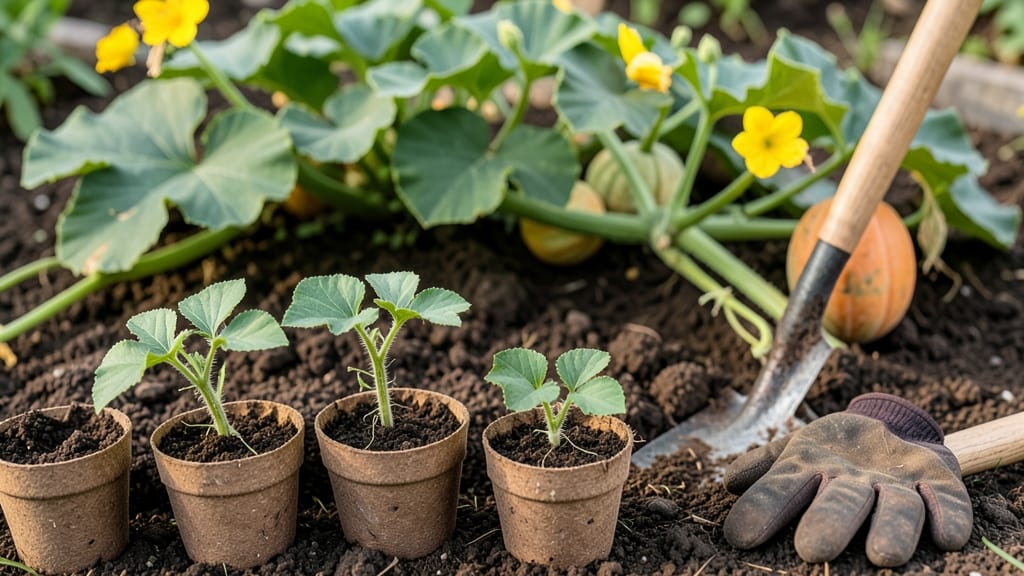
To grow a thriving 🎃 pumpkin crop in Indiana, timing your planting is the game-changer that separates a disappointing harvest from a bountiful one.
The window between late April and early June isn't just a suggestion—it's your golden opportunity to outsmart unpredictable frost dates and give your pumpkins the strong start they need.
Indiana's USDA zones 5b-6b mean you're balancing early spring warmth with the risk of late frosts that can wipe out tender seedlings.
Whether you're sowing seeds directly in the garden or transplanting sturdy seedlings, the key is waiting until the soil reaches a steady 70°F—and that's often 2-3 weeks after your average last frost date.
But here's the secret most gardeners miss: not all pumpkin varieties play by the same rules. Fast-maturing types like 'Jack Be Little' can handle a late start, while heirlooms like 'Howden' demand an early jump to reach their full potential before Indiana's first frost in mid-October.
I'll show you exactly which varieties suit your zone and how to adjust your schedule for maximum success.
Let's break down the exact planting calendar, pro tips to extend your growing season, and common mistakes that even experienced Indiana gardeners make—so you can walk away with a plan that guarantees those perfect pumpkins for carving or cooking.
Indiana pumpkin planting calendar by USDA hardiness zones (5 & 6)
Indiana’s USDA Zones 5b and 6b create a delicate balance for pumpkin growers, where late spring frosts can devastate young plants while early planting risks stunted growth.
The key is planting after your average last frost date—typically around April 15—but waiting until soil temperatures hit 70°F+ for optimal germination.
For Zone 5b (northern Indiana), your window narrows to late April to early May, while Zone 6b (southern Indiana) offers a slightly longer window until mid-May. This difference matters because pumpkins need 90-120 frost-free days to mature, and Indiana’s first frost usually hits around October 15.
Here’s the critical timeline you need to follow for each zone to avoid common mistakes like over-planting too early (risking frost damage) or planting too late (missing the harvest window).
If you’re unsure about your exact last frost date, check your local Cooperative Extension Service or use a frost calendar app like Old Farmer’s Almanac. I’ve planted pumpkins for years in Zone 5b, and trusting these dates has saved my crops from multiple late frosts.
For extra protection, consider transplanting seedlings instead of direct sowing. Start seeds indoors 4-6 weeks before your target planting date, using biodegradable pots to avoid root disturbance. This gives you a head start and reduces the risk of frost damage to tender seedlings.
One mistake I see often is planting pumpkins too close to the last frost date. Even if the air feels warm, soil temperature lags behind. Use a soil thermometer to confirm it’s consistently 70°F+ before planting. Cold soil slows germination and weakens seedlings.
For Zone 6b gardeners, you have a bit more flexibility. You can even try succession planting—sowing seeds every 2 weeks from late April through early May—to extend your harvest window. This works especially well for bush varieties like 'Jack Be Little,' which mature faster.
Remember, pumpkins thrive in full sun (6-8+ hours daily), so choose a south-facing garden bed with well-draining soil. Amend your soil with compost or aged manure before planting to give your pumpkins the nutrients they need for large fruit development.
Best pumpkin varieties for Indiana’s short growing season & how to time them
Indiana’s short 120-140 day growing season means choosing the right pumpkin variety is just as important as planting timing. Fast-maturing types like 'Jack Be Little' can thrive even with a late start, while heirlooms like 'Howden' demand an early jump to reach maturity before frost.
The key is matching your variety to your USDA zone and planting window to ensure a successful harvest.
For Zone 5b gardeners, prioritize compact bush varieties that mature in 85-90 days, leaving room for error if late frosts delay planting. In Zone 6b, you have more flexibility to grow vining varieties like 'Cinderella', which produce larger fruits but need 100-120 days to reach full size.
Here’s how to pair varieties with Indiana’s planting calendar for maximum success:
If you’re aiming for early harvests, 'Jack Be Little' is my top recommendation. I’ve grown it in Zone 5b for years, and it consistently produces 3-5 pound pumpkins by late September—perfect for jack-o’-lanterns before frost hits.
For larger fruits, plant 'Howden' in Zone 6b and start seeds indoors in early April for a head start.
Pro tip: Use black plastic mulch to warm soil faster and extend your planting window by 1-2 weeks. This is especially helpful in Zone 5b, where cooler soils delay germination. I’ve seen 30% faster sprouting when using this method with 'Cinderella' varieties.
For succession planting, stick to bush varieties like 'Small Sugar'. Sow seeds every 2 weeks from late April through early May to stagger your harvest. This way, you’ll have pumpkins ready from late August through October, giving you a longer window to enjoy fresh fruit.
Remember, vining varieties need more space—plan for 15-25 feet of vine spread—while bush types stay compact at 3-5 feet. Choose based on your garden layout and available space to avoid overcrowding, which leads to smaller, misshapen pumpkins.
Finally, don’t overlook disease-resistant varieties like 'Waltham Butternut' if powdery mildew is a concern in your area. Indiana’s humid summers can create ideal conditions for fungal issues, so selecting the right variety is a smart preventive measure.