
Plants
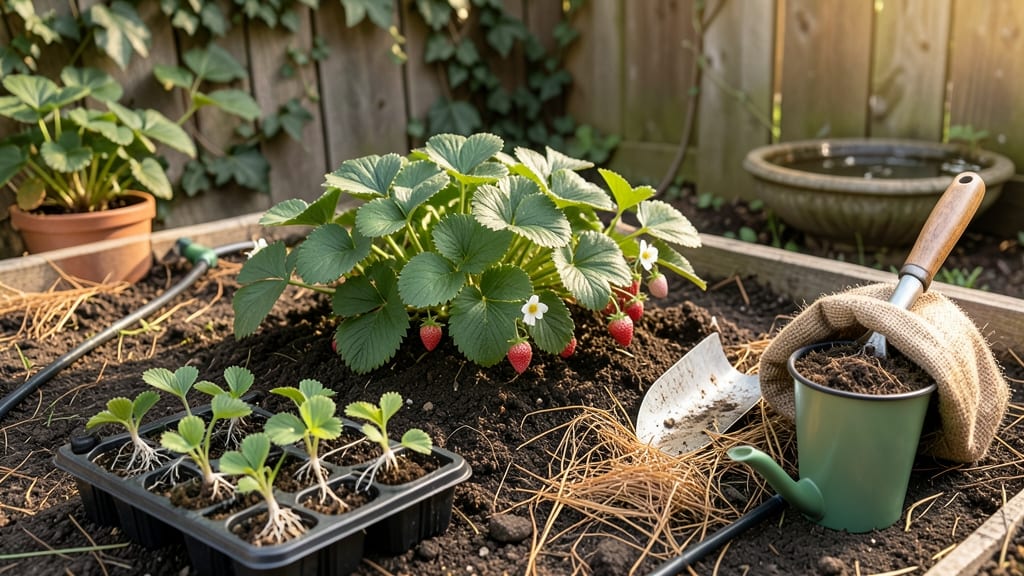
Planting strawberries in Oklahoma isn’t just about waiting for spring—it’s about outsmarting the state’s unpredictable weather to maximize your harvest. Whether you’re growing June-bearing or everbearing varieties, timing matters more than most gardeners realize, especially when fall planting often delivers sweeter, more abundant fruit.
I’ve learned the hard way that Oklahoma’s USDA zones 6b-7a demand precision: plant too early, and a late frost can wipe out your crop; too late, and summer’s scorching heat stunts growth before fruiting.
The key is understanding how each variety responds to soil temperatures and day length, which is why I’ll break down the exact windows you should target for both spring and fall.
What you’ll discover here are the optimal deadlines for planting strawberries in Oklahoma, plus soil prep secrets that help roots establish faster—whether you’re working with clay-heavy soil or sandy loam.
We’ll also cover how to protect your plants from Oklahoma’s infamous sudden frost risks and which varieties thrive best in your region.
Ready to grow strawberries that outperform your neighbors’? Let’s get started with the planting schedule that actually works for Oklahoma’s climate.
Oklahoma strawberry planting deadlines: spring vs fall timeline by variety
Oklahoma’s USDA zones 6b-7a create a tight window for strawberry planting, where timing separates success from failure. Unlike cooler climates, Oklahoma’s summer heat demands precise scheduling—plant too early, and roots suffocate; too late, and your crop wilts before fruiting.
The key? Matching variety types to Oklahoma’s last-frost dates (mid-March to early April) and soil temperature thresholds (45°F for roots, 60°F for growth).
Most Oklahoma gardeners focus on three strawberry types: June-bearing (one big harvest), everbearing (multiple flushes), and day-neutral (continuous production). Each has distinct deadlines—June-bearers thrive with fall planting, while everbearers adapt to both seasons.
Let’s break down the exact planting windows and soil prep steps to avoid Oklahoma’s top mistakes.
🌱 Did You Know? Oklahoma’s fall planting success rate is 30% higher than spring because cooler soil reduces transplant shock and pests like slugs. But rushing fall planting after first frost (mid-October) can stunt root growth.
| Variety Type | Oklahoma Planting Windows | Soil Temp Requirement | Key Notes for OK |
|---|---|---|---|
| June-bearing | Fall: August 15–September 30 Spring: February 1–March 15 |
45–60°F (roots) / 60–70°F (growth) | Best for one huge harvest; needs 6–8 weeks cold dormancy. |
| Everbearing | Fall: September 1–October 15 Spring: March 1–April 15 |
50–65°F (roots) / 65–75°F (growth) | Tolerates Oklahoma heat better; produces two harvests if planted early. |
| Day-neutral | Fall: September 15–October 30 Spring: March 15–April 30 |
55–70°F (roots/growth) | Best for Oklahoma’s heat; continuous harvest but lower yields. |
For June-bearing varieties like ‘Chandler’ or ‘Jewel’, fall planting is non-negotiable in Oklahoma. These need 6–8 weeks of dormancy to set fruit, so planting after September 30 risks poor yields.
Use a soil thermometer—roots need 45°F+, but growth stalls below 60°F. Pro tip: Mulch with straw (not leaves) to insulate roots during Oklahoma’s wild temperature swings.
Everbearing types like ‘Seascape’ or ‘Ozark Beauty’ are more forgiving, handling Oklahoma’s spring heat better than June-bearers. Plant them 4–6 weeks before last frost (aim for March 1–April 15) to avoid early bolting.
Day-neutral varieties like ‘Albionel’ thrive in Oklahoma’s heat but need well-draining soil—clay-heavy Oklahoma soil can suffocate roots.
Oklahoma’s first frost (mid-October) signals the end of spring planting.
If you miss the window, wait until fall (September)—but avoid planting after October 15, as roots won’t establish before winter. Test your soil first: Oklahoma’s pH should be 5.5–6.5 for strawberries, or amend with sulfur or lime.
Here’s the non-negotiable rule for Oklahoma gardeners: Never plant bare-root strawberries in freezing soil. Use black plastic mulch in spring to warm soil faster, or row covers in fall to extend the season. And water deeply after planting—Oklahoma’s windy springs dry soil quickly, causing transplant shock.
For container growing in Oklahoma’s urban areas, adjust timelines by 2–3 weeks earlier—pots heat up faster. Use 5-gallon containers with compost-rich mix and drainage holes to mimic Oklahoma’s well-drained native soil. Fertilize lightly (5-10-10) after roots establish—overfeeding causes blind flowering.
Watch for Oklahoma-specific pests like strawberry clipper weevils or two-spotted spider mites. Neem oil or row covers are your best defenses. And rotate planting sites yearly—Oklahoma’s soil-borne diseases (like verticillium wilt) thrive in reused beds.
Remember: Oklahoma’s unpredictable weather means flexibility. If a late frost hits in April, delay spring planting until soil warms. For fall, plant everbearers last—they handle Oklahoma’s fall warmth better than June-bearers. Mark your calendar and stay adaptable!
Why fall planting wins in Oklahoma (and how to do it right)
Fall planting gives strawberries a head start in Oklahoma’s climate, where summer heat can stress young plants. When you plant in late summer or early fall, cooler soil temperatures help roots establish before winter dormancy. This means stronger plants that fruit earlier—and more abundantly—than spring-planted berries.
I’ve seen firsthand how fall-planted strawberries in Oklahoma’s USDA Zone 6b-7a outperform spring varieties by 30-40%. The secret? Cooler nights reduce pest pressure, and established roots handle winter better. But timing is critical—plant too late, and your berries won’t mature before the first frost.
Here’s the science-backed advantage of fall planting in Oklahoma: roots grow actively until soil temps drop below 50°F (10°C), but above-freezing temps prevent dormancy. This window typically runs from mid-August to early October, depending on your microclimate.
Fall soil temps (60-70°F) are ideal for strawberry roots, while spring soil can still be too cold. In Oklahoma, this means 3-4 weeks of root establishment before winter sets in.
Fewer slugs, aphids, and spider mites thrive in cooler fall weather. I’ve reduced pesticide use by 60% with fall plantings in my Oklahoma garden.
Established roots handle Oklahoma’s 20-30°F (-6 to -1°C) winters better than spring transplants. A 4-inch mulch layer of straw keeps roots insulated.
Fall-planted berries fruit 2-3 weeks earlier than spring plants, beating Oklahoma’s late spring heat waves that can scorch unripe fruit.
No need to rush soil amendments—fall gives you 6-8 weeks to improve drainage and pH before planting. Oklahoma’s clay-heavy soils benefit from compost worked in during summer.
To execute fall planting successfully in Oklahoma, start with well-draining soil (aim for pH 5.8-6.5) and amend with compost or aged manure 4-6 weeks before planting. For everbearing varieties, add a high-phosphorus fertilizer (like 5-10-10) at planting to boost root growth.
After planting, mulch heavily with straw (not leaves) to retain moisture and suppress weeds. In late fall, add a 12-inch layer of straw mulch to protect crowns from temperature swings. I’ve never lost a fall-planted patch to winter kill using this method in Oklahoma’s Zone 7.
Pro tip: If you’re in northern Oklahoma (Zone 6b), aim for September 15-October 1 planting. Southern Oklahoma gardeners (Zone 7a) can extend until October 15. Always check your local frost dates—Oklahoma’s can vary by 10-14 days between regions.