
Flowers
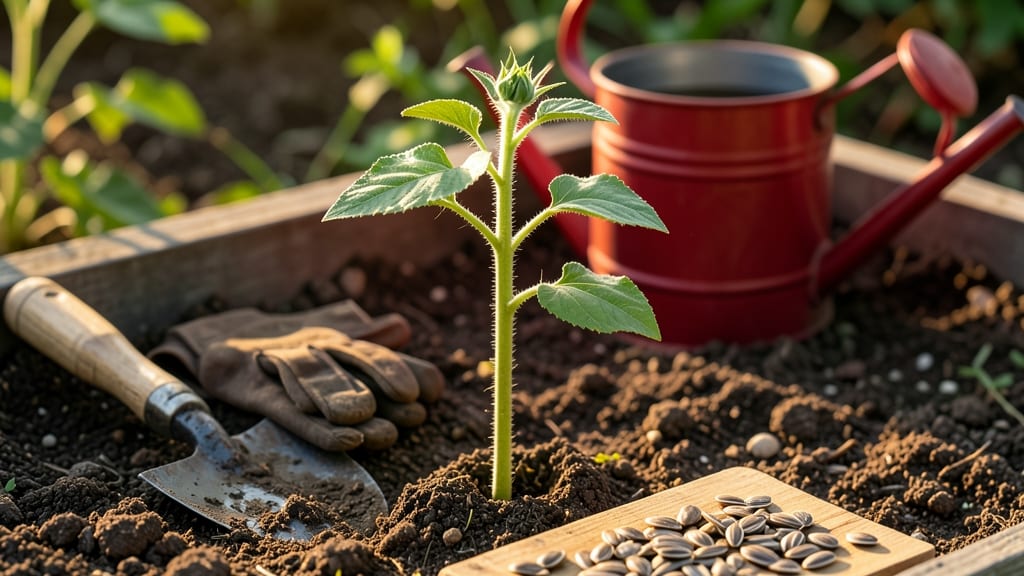
Planting sunflowers in Georgia at the wrong time means watching your hard work wilt before it even begins—whether it's frost nipping tender sprouts or scorching summer heat stunting growth.
The key to zero-frost blooms lies in knowing exactly when to plant by county, because Georgia's climate shifts dramatically from the coast to the mountains.
Most gardeners in USDA zones 7b-8b can start seeds indoors by mid-March, but direct sowing outdoors is safest after the last frost date—typically late March to early April for most regions.
Coastal areas like Savannah have a longer growing window, while mountain counties near 7b boundaries need to plant earlier to maximize summer heat.
Whether you're growing 🌻 sunflowers for cut flowers or birdseed, timing matters more than variety. I'll show you how to adjust planting dates based on your county's microclimate, from humidity-resistant varieties for the coast to heat-tolerant giants for inland areas.
Ready to guarantee sunflowers that thrive from seed to bloom? Let's break down the exact months—and a few pro tips—to make your Georgia garden burst with color this summer.
Georgia sunflower planting calendar: exact months by county (frost-free guarantee)
Georgia’s diverse climate—from the humid coastal plains to the cooler Appalachian Mountains—means sunflower planting windows vary dramatically by county. Whether you’re in Savannah’s Zone 8a or Blue Ridge’s Zone 7a, timing your seeds for zero-frost blooms ensures vibrant, towering sunflowers that thrive all summer.
Here’s your county-by-county guide, based on USDA hardiness zones and last frost dates.
For coastal Georgia (Zones 8a-8b), like Chatham or Liberty counties, plant sunflowers as early as mid-February to beat summer heat stress. Inland Piedmont regions (Zones 7b-8a), such as Atlanta or Athens, aim for late March to early April.
Meanwhile, mountain counties (Zones 6b-7a), including Dahlonega or Blairsville, should wait until mid-April to early May to avoid late frosts.
Sunflowers are warm-season annuals, so they cannot tolerate frost. Even hardy varieties like ‘Moulin Rouge’ or ‘Autumn Beauty’ need soil temperatures of at least 50°F (10°C) to germinate. Use a soil thermometer to confirm readiness—planting too soon risks stunted growth or death.
Here’s your county-specific planting calendar, organized by Georgia’s three key regions. Adjust for microclimates (e.g., urban heat islands or sheltered valleys) by adding 1-2 weeks to recommended windows.
For coastal gardeners, prioritize heat-tolerant varieties like ‘ProCut’ or ‘Autumn Beauty’ to handle humidity and summer storms. In the Piedmont, where temperatures spike in July, opt for early-blooming types like ‘Teddy Bear’ (dwarf) to avoid heat stress.
Mountain gardeners should focus on short-season varieties like ‘Russian Giant’ to maximize bloom time before frost.
Direct sowing is the best method for Georgia sunflowers—transplants struggle with root shock. Plant seeds 1 inch deep and 6–12 inches apart, depending on the variety. Space giant sunflowers (10+ ft) at least 2 feet apart to prevent overcrowding and fungal diseases like powdery mildew.
Extend your blooming season by making successive plantings every 2–3 weeks from March to June. This ensures continuous color from summer through early fall, even if early varieties bolt in the heat. Save seeds from your healthiest sunflowers for next year’s
How to adjust sunflower planting for Georgia’s microclimates (coastal vs. mountain tips)
Georgia’s climate isn’t one-size-fits-all—coastal humidity, Piedmont’s balanced weather, and mountain short seasons all demand different sunflower planting strategies. If you’re in Savannah or Brunswick, your coastal humidity risks powdery mildew on sunflowers, while Dahlonega or Blue Ridge gardeners face shorter growing windows.
Let’s break down the adjustments for each region to maximize your 🌻 blooms.
For coastal Georgia (USDA 8a-8b), focus on disease-resistant varieties like ‘Moulin Rouge’ and plant in late March to early April. The extra humidity means you’ll need better airflow—space plants 24-36 inches apart and avoid overhead watering.
Inland areas like Atlanta or Macon (USDA 7b-8a) can plant slightly earlier, around mid-March, with heat-tolerant varieties like ‘Autumn Beauty’ thriving in the summer heat.
The mountain regions (USDA 7a-7b) have the shortest season, so start seeds indoors by late February and transplant outdoors by late April to early May. Choose early-maturing varieties like ‘Teddy Bear’ (50-60 days to bloom) to avoid first frost risks in November.
Mulch heavily to insulate roots and extend the growing season by a few weeks.
Here’s the key adjustment: Coastal gardeners should prioritize fungus prevention (copper fungicide sprays), while mountain gardeners need to extend the season with row covers or black plastic mulch. Piedmont gardeners? You’ve got the easiest job—just plant in early April and enjoy the balance of sun and rain.
🌱 Pros and Cons: Georgia Microclimate Planting
🌊 Coastal Georgia
- ✅ Pros: Longer growing season
- ✅ Pros: More sunlight hours
- ❌ Cons: High humidity risks disease
- ❌ Cons: Needs airflow spacing
🏞️ Piedmont Georgia
- ✅ Pros: Balanced climate
- ✅ Pros: Fewer pests
- ✅ Pros: Ideal for most varieties
- ❌ Cons: Occasional late frosts
⛰️ Mountain Georgia
- ✅ Pros: Fewer pests
- ✅ Pros: Cooler summers
- ❌ Cons: Shorter season
- ❌ Cons: Needs early starts
Don’t overlook soil prep—Georgia’s clay-heavy soils need amendments like compost or sand to improve drainage, especially in coastal areas. For mountain gardens, add organic matter to retain moisture in the shorter season.
And here’s a pro tip: Black plastic mulch warms soil faster in cooler mountain regions, giving you a 2-3 week head start on the growing season.
Finally, watch for local microclimates—even within a county, a south-facing slope in the mountains can add weeks to your growing season. Use these adjustments, and you’ll have sunflowers blooming from July to October, no matter where you garden in Georgia.