
Flowers
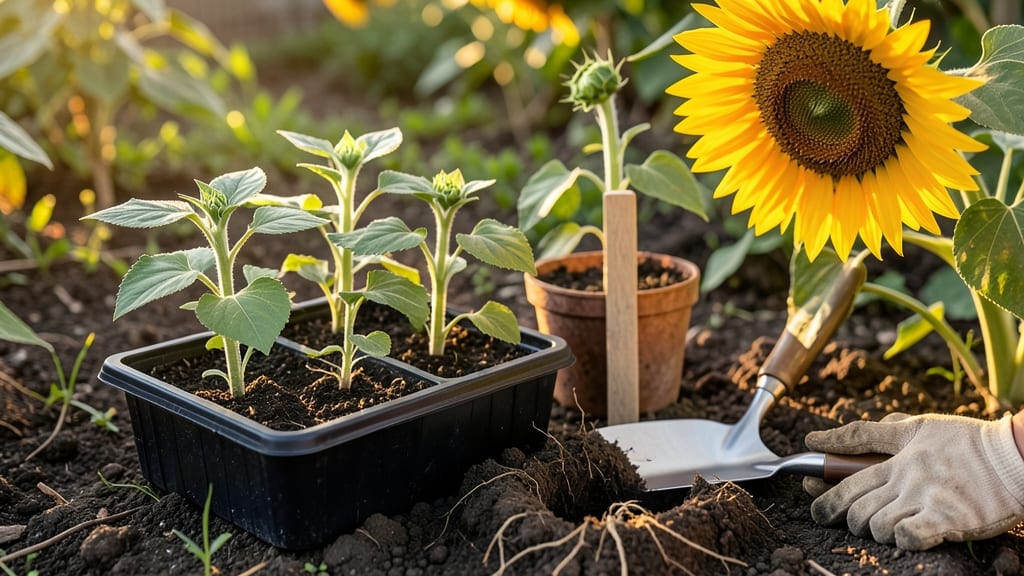
Planting sunflowers in Missouri at the wrong time means watching them struggle against frost or wilt under summer’s heat—so timing is everything for those towering 🌻 stalks you’re dreaming of.
The key to success lies in knowing exactly when to sow seeds after the last frost, whether you’re in St. Louis’s 5b zone or Kansas City’s 6b climate.
Missouri’s unpredictable spring weather makes the April 15–June 15 window critical for sunflowers, which need 50–120 days to mature. Plant too early, and frost will nip young sprouts; too late, and your sunflowers might bolt before reaching their full 6–14-foot potential.
The secret? Start seeds indoors 4–6 weeks before the last frost date for a head start.
This guide breaks down the exact weeks before last frost to plant sunflowers for maximum height, plus soil prep tips and regional adjustments. Whether you’re growing ‘Russian Giant’ varieties or drought-resistant hybrids, we’ll cover everything you need to turn your Missouri garden into a sunflower paradise.
Ready to unlock the best planting schedule for your area? Let’s dive into the step-by-step timeline that ensures your sunflowers thrive from seed to sky-high bloom.
Missouri sunflower planting schedule by last frost date: exact weeks for optimal growth
Timing your sunflower planting in Missouri depends on your last frost date, which varies by region. Most areas experience their final frost between mid-April and early May, creating a 4-6 week window before optimal planting.
For giant varieties like 'Russian Giant' (12+ feet), aim for planting 2-4 weeks after your last frost date.
Missouri’s USDA hardiness zones 5b-6a mean you’ll find different frost patterns across cities like St. Louis, Kansas City, and Columbia. Southern Missouri (e.g., Springfield) can plant 2 weeks earlier than northern areas like Sedalia. Always check your local frost-free date for precision.
Here’s the key rule: Plant sunflowers when soil temperatures reach 55°F (13°C). Use a soil thermometer to confirm—cold soil delays germination. In St. Louis, this typically aligns with mid-April to early May, while Kansas City may wait until late April to early May.
For maximum height and vibrant blooms, prioritize planting between April 15 and May 15. This window ensures your sunflowers have 100+ frost-free days to mature. Late plantings after June 1 risk stunted growth due to summer heat stress.
Missouri’s climate variability means you should also account for late frosts. Even after the average last frost, light freezes can occur. Use row covers or plant near windbreaks to protect young seedlings during unpredictable April chill.
Missouri Sunflower Planting Timeline by Region
| Region | Last Frost Date | Ideal Planting Window | Soil Temp Threshold | Frost-Free Days |
|---|---|---|---|---|
| St. Louis (Zone 6a) | April 15 | April 22 - May 15 | 55°F (13°C) | 160+ days |
| Kansas City (Zone 5b) | April 25 | May 1 - May 20 | 55°F (13°C) | 150+ days |
| Columbia (Zone 6a) | April 10 | April 15 - May 10 | 55°F (13°C) | 165+ days |
| Springfield (Zone 6b) | March 30 | April 5 - April 25 | 55°F (13°C) | 170+ days |
| Sedalia (Zone 5b) | April 28 | May 5 - May 25 | 55°F (13°C) | 150+ days |
⚠️ Note: Adjust dates 1-2 weeks later if your area experiences late frosts.
For direct-sown sunflowers, Missouri gardeners should plant seeds 1 inch deep and 6 inches apart in rows spaced 2-3 feet apart. This spacing accommodates tall varieties and prevents overcrowding. If you’re growing dwarf sunflowers (3-4 feet), reduce spacing to 12-18 inches.
After planting, maintain consistent moisture—sunflowers need 1-2 inches of water weekly during their first 6-8 weeks. Once established, they become drought-tolerant, but deep watering in morning hours prevents fungal diseases like powdery mildew, common in Missouri’s humid summers.
Missouri’s summer heat (often exceeding 90°F) can stress sunflowers if planted too late. To extend your blooming season, consider a second planting in early July for varieties like 'Autumn Beauty,' which thrive in cooler
How to adjust sunflower planting for Missouri’s unpredictable spring weather
Missouri’s spring weather can be as unpredictable as a sunflower’s height—one day warm and sunny, the next a surprise frost. To protect your sunflower seedlings, I’ve learned to adjust planting based on soil temperature and frost forecasts.
Start seeds indoors 4-6 weeks before your last frost date (typically mid-April for most of Missouri) to give them a head start. This way, you can transplant hardened-off seedlings after the danger of frost has passed, usually by late April to early May.
If you’re direct-sowing outdoors, wait until the soil temperature consistently stays above 50°F (10°C) at night. A soil thermometer is your best friend here—it’s easier to trust than the weather app!
In northern Missouri (like St. Louis), this might mean waiting until mid-May, while southern regions (like Springfield) can plant as early as early April.
Late Frost Warning
Missouri’s late spring frosts (even in May!) can devastate young sunflowers. Use row covers or black plastic mulch to protect seedlings. If frost is forecasted after planting, water the soil deeply the night before—moist soil retains heat better than dry soil.
For extra insurance, I recommend staggered planting. Sow a few seeds every 2 weeks between April and June. This spreads out your harvest and reduces the risk of losing an entire crop to a single late frost.
For example, plant 20% of seeds in early May, another 30% in late May, and the final 50% in early June. This method also extends your blooming season from July through October.
Companion planting is another trick I swear by. Sunflowers grow tall and can shade out weeds, but they also attract pollenators like bees. Plant them near bush beans or corn to improve soil health and deter pests.
Avoid planting near potatoes, though—sunflowers compete for nutrients and can stunt their growth.
Finally, keep an eye on the weather forecast and adjust your watering schedule. Sunflowers need 1-2 inches of water per week, but during heatwaves (which Missouri loves to deliver in July), increase to 2-3 inches.
Water deeply in the morning to reduce fungal risks like powdery mildew, which thrives in damp, shady conditions. A drip irrigation system is ideal—it delivers water right to the roots without wetting the leaves.
With these adjustments, your sunflowers will thrive even when Missouri’s weather throws curveballs. The key is flexibility—don’t be afraid to move your planting dates or protect seedlings when needed. After all, the goal is those towering sunflowers reaching for the sky, not a perfect calendar! 🌻