
Plants
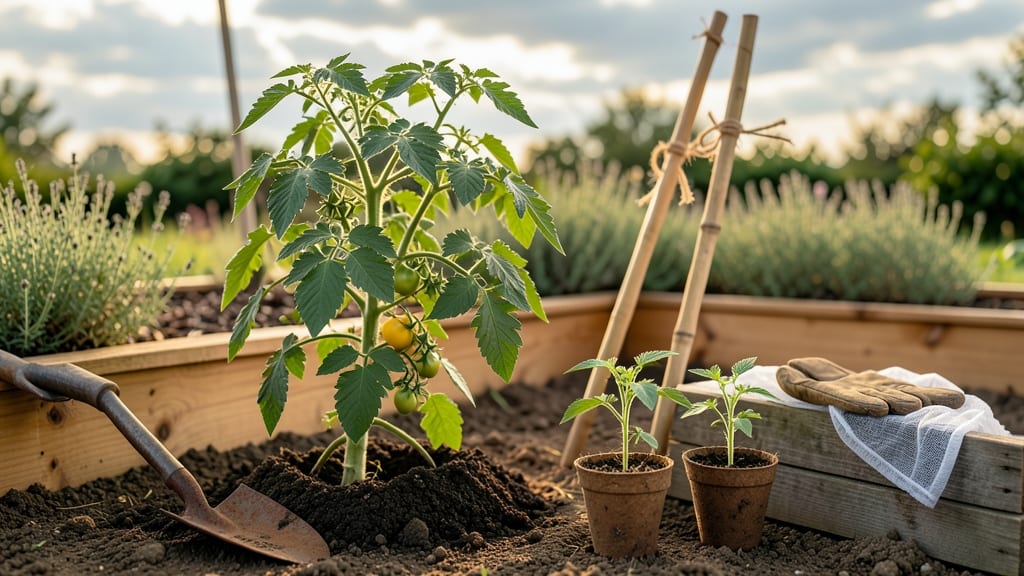
Planting tomatoes in Indiana isn’t just about grabbing seeds and sticking them in the dirt—it’s about catching that golden window between frost and summer heat, or you’ll end up with sad, stunted plants or worse.
With USDA Zones 5b-6a, timing is everything, especially when your 🍅 harvest depends on beating early chills or stretching into late summer.
Most Indiana gardeners swear by waiting until after April 15 to plant outdoors, but that’s just the starting point. The real secret? Soil temperature matters more than the calendar—wait until it hits at least 60°F before committing your seedlings to the ground.
Too cold, and your tomatoes will sulk; too hot, and they’ll bolt before producing fruit.
Here’s what you need to know: whether to start seeds indoors in March, when to harden off seedlings, and how to adjust for northern Indiana’s cooler pockets versus southern regions.
I’ll break down the exact steps to maximize your growing season, from transplanting to succession planting for a harvest that lasts from June through October.
Skip the guesswork—these Indiana-specific tips will help you avoid common pitfalls and grow tomatoes that rival your favorite grocery store (or beat them, honestly). Let’s get those plants in the ground the right way.
Indiana’s tomato planting timeline by last frost date
Indiana’s USDA Zones 5b-6a offer a short but productive growing season for tomatoes, and nailing your planting window is key to avoiding frost damage or stunted growth.
The last average frost date in most of Indiana falls around April 15, but northern areas like Fort Wayne may see frost until May 1. Southern Indiana, near Evansville, can often plant as early as April 1.
Tomatoes thrive when soil temperatures reach at least 60°F, which typically happens 2-3 weeks after the last frost. Using a soil thermometer ensures you’re planting at the perfect time—cold soil can stunt root growth and delay fruiting.
Purdue Extension recommends waiting until mid-to-late May in colder microclimates to guarantee warm soil.
Here’s how to calculate your exact planting window: Check the 30-year frost data from the Midwest Regional Climate Center for your county, then add 14-21 days to account for soil warming. For example, if your last frost is April 22, aim to plant by May 6-13.
| Region | Last Frost Date | Ideal Planting Window | Soil Temp Goal | Notes |
|---|---|---|---|---|
| Northern Indiana (Fort Wayne, Gary) | May 1 | May 15-31 | 60°F+ | Use row covers for early starts |
| Central Indiana (Indianapolis, Muncie) | April 22 | April 30-May 15 | 60°F+ | Best for early varieties |
| Southern Indiana (Evansville, Terre Haute) | April 1 | April 15-May 1 | 55°F+ | Can plant heirlooms earlier |
| All Regions (Indoor Start) | March 15 | Transplant April 15-May 15 | N/A | Start seeds 6-8 weeks before last frost |
For direct-sown tomatoes, scatter seeds ½ inch deep in rows spaced 18-24 inches apart after the soil warms. If you’re transplanting seedlings, harden them off for 7-10 days before moving them outdoors. Choose determinate varieties like ‘Celebrity’ for earlier harvests or indeterminate types like ‘Better Boy’ for continuous production.
Northern Indiana gardeners should prioritize early-maturing varieties (60-70 days to harvest) to beat the first fall frost, typically around October 15. In southern Indiana, you can push the season later with heat-tolerant varieties like ‘Solar Fire’ or ‘Heatmaster,’ which handle summer’s 90°F+ temps better than standard types.
Pro tip: Use black plastic mulch to warm soil faster and suppress weeds. This can shave 1-2 weeks off your planting timeline by raising soil temps by 5-10°F. Just remove it in late summer to avoid overheating roots before harvest.
Monitor your local microclimate—areas near lakes or rivers may frost later than inland spots. If you’re unsure, err on the side of planting 2 weeks later than the average date. A delayed start with healthy plants beats a rushed one that struggles in cool soil.
Once planted, stake or cage your tomatoes immediately to support their 3-6 foot growth. Prune suckers regularly to improve airflow and reduce disease risk, especially in Indiana’s humid summers. With the right timing, you’ll enjoy homegrown tomatoes from July through October!
How to extend your Indiana tomato season for bigger harvests
Indiana’s short growing season doesn’t mean you’re stuck with just one tomato harvest. With the right strategies, you can stretch your 🍅 season from early June through October, even in USDA Zones 5-6.
The key? Combining season extenders, succession planting, and heat-tolerant varieties that thrive in Indiana’s unpredictable summers.
Start by choosing early-maturing varieties like 'Stupice' (55 days) or 'Mountain Merit' (65 days) for June harvests, while late-season picks like 'Brandywine' (85 days) or 'Celebrity' (70 days) keep producing until frost.
Pair these with row covers or cold frames to protect tender plants from late spring frosts or early fall chills.
Here’s how to maximize your harvest window without breaking the bank or your back:
- 🌱 Start seeds indoors by March 1 for early transplants. Use grow lights if natural light is limited.
- 🌡️ Use row covers until soil warms to 60°F+—they trap heat and protect from late frosts.
- ✂️ Succession plant every 2-3 weeks from April through June for staggered harvests.
- 🏡 Try cold frames or hoop houses to extend fall harvests by 4-6 weeks.
- ☀️ Choose heat-tolerant varieties like 'Heatmaster' or 'Solar Fire' for summer’s 90°F+ days.
Don’t overlook mulching—apply straw or black plastic around plants to keep soil 5-10°F warmer in spring and cooler in summer. This simple trick can mean the difference between bolting plants and steady fruit production.
For container gardeners, opt for determinate varieties like 'Patio' or 'Tiny Tim' (both under 3 feet tall) and place pots in wheelbarrows on sunny patios. Move them indoors or under a greenhouse when nights dip below 50°F.
Pro tip: Monitor your local microclimate—south-facing slopes warm faster than shaded areas. Use this to your advantage by planting heat-lovers in sunnier spots and cooler-tolerant varieties in partial shade.