
Plants
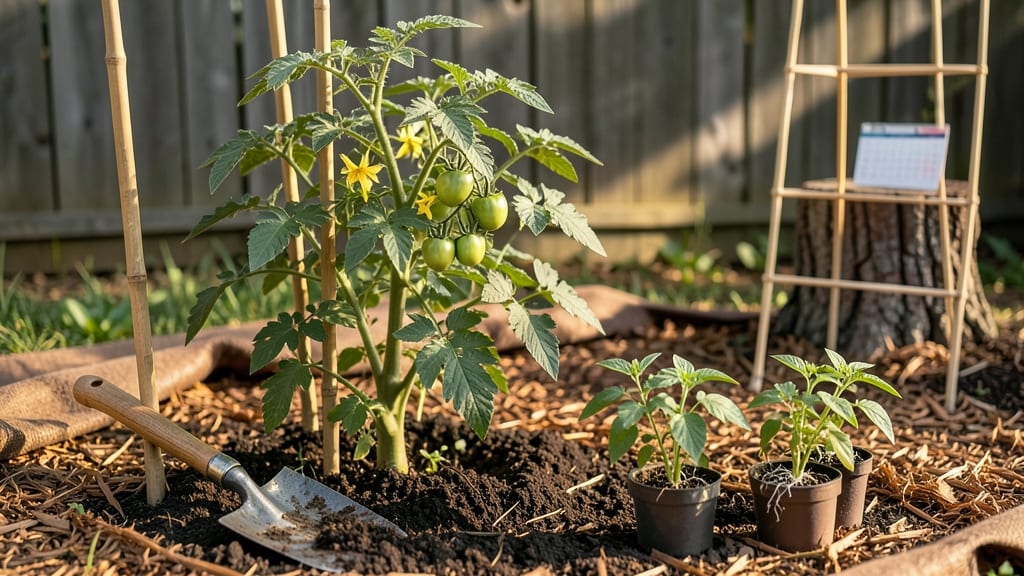
Planting tomatoes in Kentucky isn't just about grabbing seeds and sticking them in the dirt—it's a timing game that can make or break your harvest.
With frost dates that shift yearly and microclimates varying by just a few miles, getting those 🍅 seedlings in the ground too early or too late means watching your hard work wither before it even begins.
Most Kentucky gardeners know the general rule: wait until after the last frost, which typically lands around April 15 in USDA Zone 6a. But here's the catch—soil temperature matters just as much as air temperature.
Cold soil can stall growth, leaving your plants vulnerable to disease or pests. That's why I've tested the best methods to time your planting perfectly, whether you're starting from seeds or transplanting sturdy seedlings.
What you'll discover in this guide are the exact windows for planting tomatoes in Kentucky, plus pro tips to extend your growing season without risking frost damage.
We'll cover everything from soil prep to protecting young plants, so you can enjoy a bounty of homegrown tomatoes from June through October—no guesswork required.
Ready to turn your garden into a tomato powerhouse? Let's dive into the secrets that will help you avoid the most common Kentucky planting mistakes and set your tomatoes up for success from day one.
Kentucky’s tomato planting deadlines by heat Zone and last frost dates
Kentucky’s USDA Zones 6a-8a create a unique challenge for tomato growers. While the state’s average last frost date hovers around April 15, microclimates—especially in the Bluegrass Region versus the Cumberland Plateau—can shift planting windows by weeks.
For example, Louisville’s zone 6b gardeners might safely plant by April 10, while eastern Kentucky’s zone 7a areas can start as early as March 25.
But here’s the catch: soil temperature matters more than air temperature. Tomatoes need soil at 60°F or warmer to germinate properly. Cold soil delays growth, leaving plants vulnerable to late frosts or disease pressure.
That’s why I recommend using a soil thermometer—it’s the only way to know for sure when your garden is truly ready.
For transplanting seedlings (the most common method in Kentucky), aim for after May 1 in northern zones and mid-April in southern zones. Seedlings handle cooler soil better than direct-sown seeds, giving you a 2-3 week buffer against unexpected frosts.
If you’re direct-sowing seeds, wait until after May 10 statewide to avoid germination failures.
Kentucky’s first frost typically arrives around October 15, but some varieties—like ‘Celebrity’ or ‘Better Boy’—can produce fruit until mid-October if planted early. For a fall harvest, consider short-season varieties like ‘Early Girl’ or ‘Mountain Merit’, which mature in 55-65 days.
| USDA Zone | Last Frost Date | Best Planting Window | Soil Temp Goal | Notes |
|---|---|---|---|---|
| 6a (Northern KY) | April 15–20 | May 1–15 (transplants) May 20–June 1 (seeds) |
60°F+ | Use row covers for early starts |
| 6b (Louisville, Lexington) | April 10–15 | April 25–May 10 (transplants) May 10–20 (seeds) |
60°F+ | Black plastic mulch warms soil faster |
| 7a (Western KY) | March 25–April 5 | April 1–15 (transplants) April 15–May 1 (seeds) |
55°F+ (earlier with protection) | Cold frames extend season |
| 7b/8a (Southern KY) | March 10–20 | March 15–April 1 (transplants) April 1–15 (seeds) |
55°F+ | Longer growing season; try fall planting |
If you’re starting seeds indoors, begin 6-8 weeks before your target planting date. For Kentucky, that means early February to mid-March for northern zones and late January to early February for southern zones.
Use grow lights to prevent leggy seedlings—Kentucky’s short winter days can stretch seedlings too tall before they’re ready for transplanting.
For container gardening, plant 2-3 weeks later than in-ground tomatoes because pots warm up more slowly. Choose determinate varieties like ‘Roma’ or ‘Patio’ for containers—they stay compact and produce fruit faster than indeterminate types.
Pro tip: Monitor local forecasts via the National Weather Service or Kentucky Mesonet. A late frost in early May can wipe out unprotected seedlings, so have row covers or a cold frame ready as a backup.
Even experienced gardeners in USDA Zone 6a have lost crops to May frosts—don’t skip this step!
Finally, adjust for your specific microclimate. South-facing slopes warm up faster than north-facing yards, and urban areas (like Lexington or Louisville) often have 2-3°F warmer microclimates than rural spots. Observe your garden’s behavior for a few years to fine-tune your planting schedule.
Kentucky’s tomato planting deadlines by heat Zone and last frost dates
Kentucky’s USDA Zones 5-8 create a patchwork of planting windows, where a single county might see frost dates vary by 1-2 weeks.
For most gardeners in Zone 6a (covering Louisville, Lexington, and northern regions), the last average frost date falls around April 15, but soil temperature is the real game-changer. Tomatoes thrive when soil hits 60°F or warmer, which often lags behind air temperature—especially in Kentucky’s humid climate.
In Zone 7b (southern Kentucky, like Bowling Green), you can push planting to March 20-April 5 for early varieties, while Zone 5 gardeners (far northern Kentucky) should wait until May 1 to avoid frost damage.
The key? Check your local Cooperative Extension Service for real-time frost data, as Kentucky’s microclimates can shift planting windows by 10+ days just miles apart.
| Zone | Last Frost Date | Ideal Planting Window | Soil Temp Goal | Notes |
|---|---|---|---|---|
| Zone 5 | May 1 | May 15–June 1 | 60°F+ | Use row covers for early starts |
| Zone 6a | April 15 | April 20–May 15 | 60°F+ | Black plastic mulch warms soil faster |
| Zone 7b | March 20 | March 25–April 10 | 55°F+ | Cold-hardy varieties like 'Stupice' work |
| Zone 8a | February 28 | February 15–March 15 | 50°F+ | Fall planting possible until Sept 1 |
For transplanting seedlings, Kentucky gardeners should aim for 4-6 weeks before the last frost. This means if your last frost is April 15, start seeds indoors by March 1 (Zone 6a) or February 15 (Zone 7b).
Seedlings need 5-6 hours of light daily indoors, so supplement with grow lights if natural light is limited. Harden off seedlings for 7-10 days before transplanting to acclimate them to Kentucky’s humidity and wind.
Pro tip: Use a soil thermometer to confirm readiness—tomatoes won’t thrive in soil below 60°F, even if air temps are warm. In cooler zones, opt for determinate varieties (bush types) like 'Roma' or 'Celebrity,' which mature faster than indeterminate vining types.
These varieties also handle Kentucky’s summer heat and humidity better once established.
Don’t overlook fall planting in Kentucky! In Zones 7b and 8a, you can sow seeds or transplant seedlings as late as August 1 for a late harvest. Use heat-tolerant varieties like 'Solar Fire' or 'Heatmaster' and protect young plants with shade cloth during heatwaves.
With the right timing, you can extend your tomato season until first frost in October.
🌱