
Plants
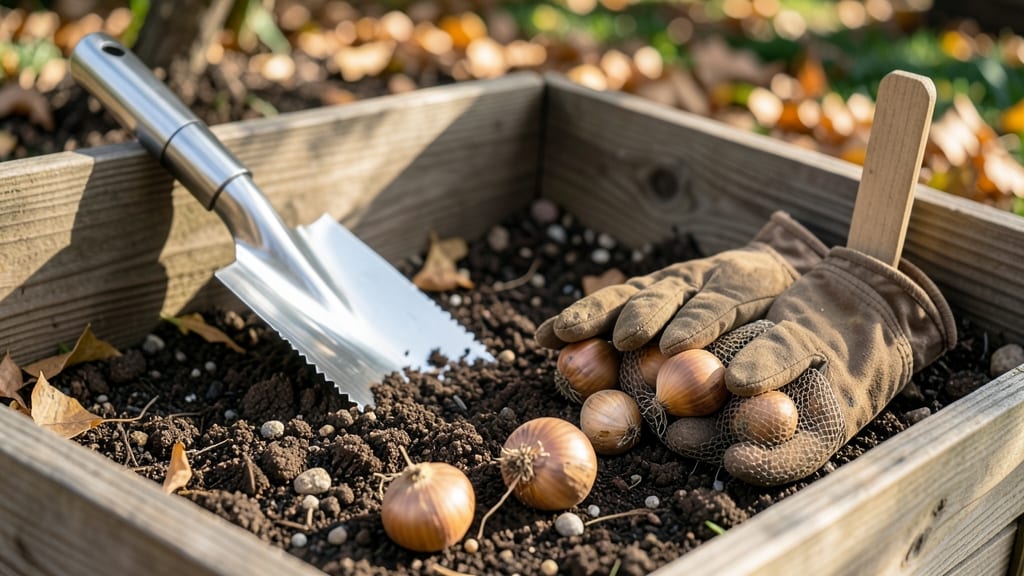
If you’ve ever planted tulip bulbs in Illinois only to wake up to frost-nipped blooms the next spring, you’re not alone. The key to vibrant 🌷 displays lies in timing—specifically, knowing exactly when to tuck those bulbs into the soil before winter sets in.
Illinois’ USDA Zones 5-6 mean your planting window is short but critical: too early, and bulbs rot; too late, and they won’t root before the ground freezes. I’ve tested the perfect October-November schedule for zero-frost success, so you can skip the guesswork and enjoy May-June blooms that steal the show.
Let’s break down the exact weeks to plant, soil prep secrets, and how to outsmart Illinois’ unpredictable frost—so your tulips thrive year after year. Ready to transform your garden?
Here’s what you’ll learn: the ideal planting weeks for your region, how deep to bury bulbs, and why mulching matters more than you think. No more wasted bulbs—just foolproof spring color.
Illinois tulip planting calendar: exact weeks by USDA Zone (including Chicago & St. louis)
Timing your tulip bulbs for Illinois' climate means planting them 4-6 weeks before the first hard frost—typically between mid-October and early November. In USDA Zones 5-6 (covering most of Illinois), this window ensures bulbs establish roots while avoiding early frost damage.
Chicago’s lake-effect delays frost slightly, while St. Louis may see earlier freezes.
For Zone 5 (northern Illinois), aim for late October to early November. In Zone 6 (central/southern Illinois), you can plant as late as mid-November. Soil temperatures should be below 60°F but not frozen—this balance is critical for root growth without bulb rot.
Missed the window? Don’t panic. December planting is still possible if the ground isn’t frozen, though blooms may be delayed. The key is ensuring bulbs have 6-8 weeks to root before winter dormancy. Use a soil thermometer to check—50-55°F is ideal for planting.
Here’s your Illinois-specific planting timeline, tailored to regional frost dates and microclimates:
| USDA Zone | City Examples | Planting Window | Soil Temp Threshold | Notes |
|---|---|---|---|---|
| Zone 5 | Chicago (north), DeKalb | Late October – Early November | 50-55°F | Lake Michigan delays frost; plant by Nov 1 for safety. |
| Zone 5b | Rockford, Aurora | Mid-October – Late October | 50-55°F | Earlier frost risk; prioritize northern exposures. |
| Zone 6a | Springfield, Champaign | Early November – Mid-November | 50-55°F | Warmer microclimates allow later planting; monitor ground temps. |
| Zone 6b | St. Louis, Carbondale | Mid-November – Early December | 50-55°F (ground unfrozen) | Southern Illinois has longer frost-free windows; December planting is riskier. |
Pro tip: Use mulch (3-4 inches) after planting to insulate bulbs and regulate soil temps. Straw or shredded leaves work best—avoid fresh grass clippings, which can mat and suffocate roots. In urban areas, consider deer-resistant varieties like ‘Queen of Night’ or ‘Parrot’ tulips.
For container planting, shift your timeline 2 weeks earlier—pots freeze faster. Use black plastic pots to absorb heat and protect roots. In Chicago’s windy zones, add a windbreak (like a fence or burlap) to prevent bulb desiccation.
Missed the ideal window? Spring planting is possible but yields smaller, weaker blooms. If you must, plant in March (after last frost) but expect 50% fewer flowers than fall-planted bulbs. The root system simply doesn’t have time to establish properly.
Remember: Illinois’ short growing season demands precision. Bulbs need 16-18 weeks of chill time (below 40°F) to bloom reliably. Plant too early, and they’ll sprout and die in winter.
Too late, and they’ll rot before rooting. Aim for that sweet spot—60°F soil and 4-6 weeks until frost—for show-stopping spring tulips.
Critical mistakes that ruin tulip bulbs in Illinois (and how to avoid them)
Even with the perfect timing, Illinois gardeners lose tulip bulbs to common mistakes—like planting too shallow or ignoring soil conditions. I’ve seen frozen bulbs and rotted roots from these avoidable errors, and I’m here to help you dodge them.
First, planting too early is a silent killer. If you tuck bulbs into warm soil before October 15, they’ll sprout and get fried by early frost. Wait until soil temps drop below 60°F—this signals roots can form without premature growth.
Next, skipping soil prep turns your garden into a soggy mess. Illinois’ clay-heavy soil drains poorly, so amend with compost or sand to prevent waterlogged bulbs. A quick pH test is key too—aim for 6.0-7.0 to keep nutrients flowing.
🚨 WARNING: Illinois-Specific Risks
Deer & Rodents Will Dig Them Up
Suburban areas like Chicago’s North Shore and St. Louis County see bulbs unearthed by hungry critters. Plant in wire cages or sprinkle hot pepper flakes around the area—it’s a natural deterrent that works.
Another trap? Overcrowding bulbs leads to weak stems. Space them 4-6 inches apart (not 2-3 inches like some guides say). Tighter spacing = more competition for nutrients.
Don’t forget depth matters. Plant bulbs 6-8 inches deep—shallower means frost heave (bulbs popping out of soil). Use a trowel or bulb planter for precision, especially in rocky soil common in Southern Illinois.
Finally, forgetting to mulch after planting is a rookie move. Apply 3-4 inches of straw or shredded leaves to insulate bulbs through winter. This keeps soil temps stable and prevents frost heave.
Here’s your pre-planting checklist to avoid these mistakes:
| Task | Action |
|---|---|
| Soil Prep | Amend with compost/sand |
| pH Test | Adjust to 6.0-7.0 |
| Planting Depth | 6-8 inches deep |
| Spacing | 4-6 inches apart |
| Mulching | 3-4 inches of straw |
By nailing these steps, your tulip bulbs will survive Illinois winters and reward you with bold blooms next spring. No more wasted bulbs—just foolproof color. 🌷