
Plants
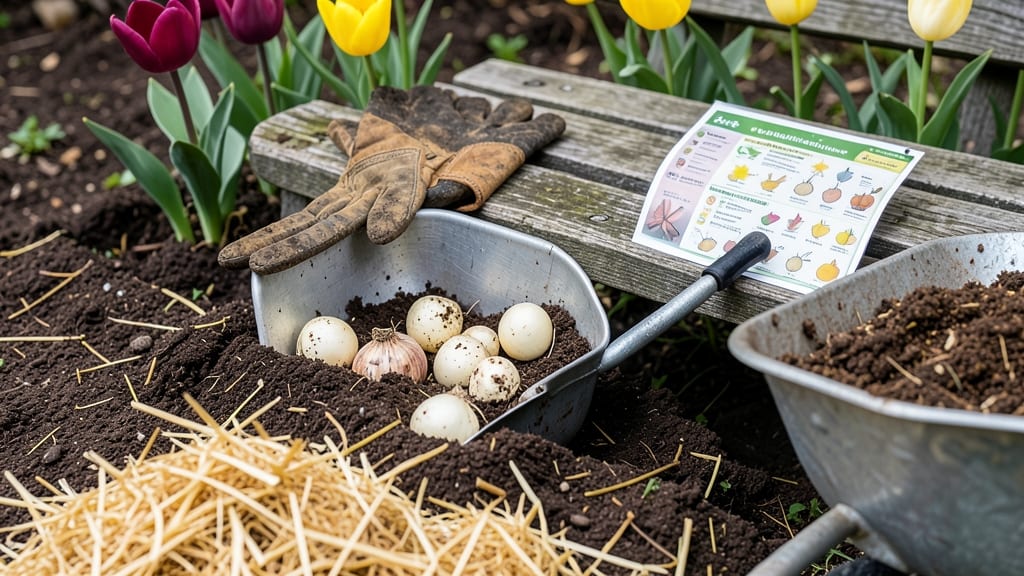
Planting your Spring Bulbs (e.g., Tulips, Daffodils, Hyacinths) 🌷 at the wrong time in Zone 4 can mean the difference between a vibrant spring garden and a sad, frozen disappointment.
The key isn't just when you plant—it's understanding your local frost clock and soil conditions to give those bulbs the perfect head start.
Most gardeners in Zone 4 wait until late fall, but that’s often too late. The ideal window opens 4-6 weeks before the ground freezes, usually between mid-September and early November.
Plant too early, and your bulbs might rot; too late, and they’ll struggle to establish roots before winter sets in.
Don’t worry if you’ve missed the window before—this guide will help you master the timing, from soil prep to post-planting care. I’ll show you exactly how to adjust for your microclimate, whether you’re in Chicago’s windy plains or Buffalo’s snowy hills.
Ready to turn your yard into a springtime showstopper? Let’s dive into the secrets of zero-frost survival for your bulbs, so you can enjoy those first blooms without the guesswork.
Optimal fall planting window for Zone 4 bulbs (with exact timing rules)
In Zone 4, the 6-8 week rule before your first hard frost is your golden guideline for planting spring-flowering bulbs like tulips and daffodils. This window typically falls between mid-September and mid-October, but your exact timing depends on your local last frost date and soil temperature.
For example, Chicago’s average last frost is November 15, while Buffalo’s is November 10—so adjust accordingly!
Most spring bulbs need 4-6 weeks of cool soil temps (below 60°F) to establish roots before winter. If you plant too early, bulbs may sprout prematurely and rot in soggy soil.
Too late, and they won’t root deeply enough to survive freezing. Use a soil thermometer to confirm temps are consistently below 60°F before planting.
Here’s how to calculate your personal planting window:
- Check your local frost dates (USDA Plant Hardiness Zone Map or Almanac.com).
- Subtract 6-8 weeks from your first hard frost date.
- Plant bulbs 2-3 weeks before the upper limit of this window to account for unpredictable weather.
| Bulb Type | Ideal Planting Window (Zone 4) | Soil Temp Threshold | Depth (Inches) | Spacing (Inches) |
|---|---|---|---|---|
| Tulips | Mid-September to early October | Below 60°F | 6-8 inches | 4-6 inches apart |
| Daffodils | Late September to mid-October | Below 55°F | 6-8 inches | 5-7 inches apart |
| Hyacinths | Early October to early November | Below 50°F | 6 inches | 4-5 inches apart |
| Crocuses | Late September to early October | Below 55°F | 3-4 inches | 3-4 inches apart |
🌱 Pro Tip: Plant early bulbs (crocuses) first, then late bloomers (tulips) 2-3 weeks later for a longer spring display!
For Zone 4’s short growing season, prioritize well-draining soil to prevent rot. Amend heavy clay with compost or sand, and avoid planting in areas where water pools. If your soil stays wet for weeks, delay planting until conditions improve—even if it means missing the "ideal" window slightly.
Regional microclimates matter! Urban areas (like Chicago) may have warmer microclimates due to pavement, while rural zones (like upstate New York) can freeze earlier. Observe your garden’s behavior: if nearby perennials are already dormant by late October, it’s time to plant.
After planting, mulch with 2-3 inches of straw or shredded leaves to insulate bulbs and regulate soil temperature. This extra layer can push your planting window 1-2 weeks later without risking frost damage. Just avoid piling mulch directly against bulb stems to prevent rot.
If you’re unsure about your local frost dates, use weather forecasts as a backup. Sites like Old Farmer’s Almanac or NOAA provide historical data.
For example, if your area averages a first frost on November 10, aim to finish planting by September 25 to give bulbs 6 weeks to root.
Remember: bulb quality matters. Choose firm, plump bulbs with no mold or soft spots. Smaller bulbs (like miniature daffodils) can handle late planting better than large tulip bulbs, which need more time to establish roots. Store bulbs in a cool, dry place until planting day.
Finally, don’t stress if your window feels too narrow. Even a 1-week delay can work if your soil is dry and temps are dropping. The key is soil temperature, not the calendar!
With these rules, your Zone 4 bulbs will reward you with bold spring blooms year after year. 🌷
Optimal fall planting window for Zone 4 bulbs (with exact timing rules)
In Zone 4, your fall planting window for bulbs like tulips, daffodils, and crocuses is narrow but critical. The golden rule? Plant 4-6 weeks before the ground freezes, typically between mid-September and early November.
This gives roots time to establish before winter sets in. For example, if your first hard frost hits November 15th, aim to plant by October 15th.
Your local frost date is your planting clock. Check the USDA Plant Hardiness Zone Map or your local cooperative extension service for precise dates. In Chicago, the window often closes by mid-October, while Buffalo gardeners might have until late October due to later frosts.
Always err on the earlier side—better to plant too soon than too late!
Soil temperature is just as important as air temperature. Bulbs need 40-50°F soil to root properly. Use a soil thermometer to check—if temps drop below 40°F, your bulbs may rot before winter. In sandy soil, plant deeper (6-8 inches), while clay soil can be shallower (4-6 inches).
Zone 4 Bulb Planting Timeline
| Bulb Type | Ideal Planting Month | Depth (inches) | Spacing (inches) |
|---|---|---|---|
| Tulips | September-October | 6-8 | 4-6 |
| Daffodils | September-October | 6-8 | 3-6 |
| Crocuses | September-October | 3-4 | 2-3 |
| Hyacinths | September-October | 6-8 | 4-6 |
*Adjust depth for soil type: deeper in sandy soil, shallower in clay.
Don’t let weather forecasts throw you off. A 5-day forecast predicting 40°F soil is more reliable than a single cold snap. If your area experiences unseasonably warm falls, bulbs may sprout too early and get damaged by late frosts.
To protect them, use a light mulch (2-3 inches) of straw or leaves after planting to insulate roots without suffocating them.
Pro tip: Label your bulbs with their planting date and variety. This helps track which ones need extra care if winter arrives early. For example, late-blooming tulips planted in early November might need a row cover to shield them from freeze-thaw cycles.
Keep an eye on your garden’s microclimate—south-facing beds warm up faster than shady spots, so adjust timing accordingly.
Finally, amend your soil before planting. Mix in compost or aged manure to improve drainage and fertility. Bulbs hate waterlogged soil, so avoid planting in low spots where water pools.
If your soil is heavy clay, consider raising beds or adding sand and peat moss to create a well-draining environment. With these steps, your Zone 4 bulbs will thrive and reward you with vibrant spring blooms!