
Plants
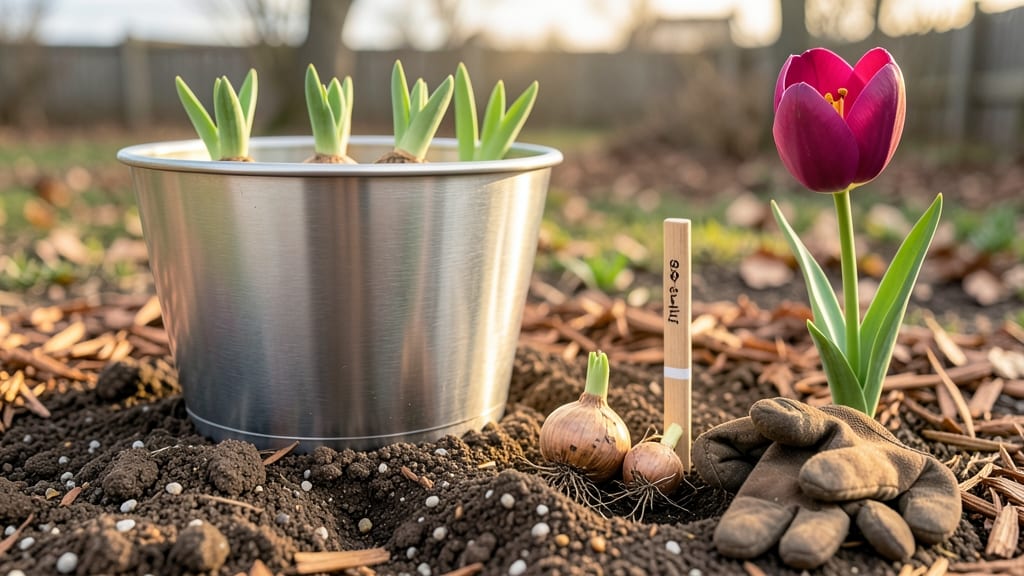
Planting tulip bulbs 🌷 in Texas isn’t just about timing—it’s about outsmarting the heat and unpredictable winters that can turn your dream spring blooms into a bust.
Unlike cooler climates, Texas gardeners face a critical window where bulbs must root before the ground cools, but not so early that they sprout too soon and get fried by summer’s last blast.
I’ve learned the hard way that getting this wrong means either wilting bulbs or flowers that never return. But with the right fall schedule, even Zone 8-9’s harshest winters can’t stop your tulips from thriving.
Let me show you exactly when—and how—to plant for zero-frost success, no matter whether you’re in Dallas, Austin, or Houston.
The key isn’t just picking a month—it’s reading your soil’s temperature and local microclimates. Too early, and your bulbs might bolt in the heat; too late, and they’ll rot before winter’s chill sets in.
I’ll break down the ideal planting dates by region, plus Texas-specific tricks like deeper planting and protective mulching that keep your tulips safe until spring.
Ready to grow tulips that actually come back year after year? Let’s dive into the secrets that’ll have your garden bursting with color—without the guesswork.
Best fall planting window for Texas tulip bulbs (by region)
Texas’ diverse climate means your tulip bulb planting window depends heavily on your USDA zone and local frost dates. Unlike northern states, Texas gardeners must balance mild winters with unpredictable freezes, especially in North Texas.
Aim to plant when soil temps drop to 60°F—this triggers bulb root growth before winter dormancy.
Most Texas regions fall under USDA Zones 7a-9b, with North Texas (Zone 7a-8a) facing earlier frosts than South Texas (Zone 9a-9b). For example, Dallas (Zone 8a) typically plants in October-November, while Houston (Zone 9a) can wait until November-December. Central Texas (Austin, Zone 8b) splits the difference.
Here’s the region-specific breakdown to avoid early blooms (from heat stress) or frozen bulbs (from late planting). Use these as your planting calendar guide:
| Region | USDA Zone | Best Planting Window | Soil Temp Goal | Key Cities |
|---|---|---|---|---|
| North Texas | 7a-8a | Mid-October to early November | 60°F (15°C) | Dallas, Fort Worth, Waco |
| Central Texas | 8a-8b | Late October to mid-November | 60°F (15°C) | Austin, San Antonio, College Station |
| South Texas | 9a-9b | November to early December | 55°F (13°C) | Houston, Corpus Christi, Brownsville |
For North Texas gardeners, prioritize planting by mid-November—this ensures bulbs establish roots before hard freezes (common in Zone 7a). In Central Texas, you have a slightly longer window, but avoid planting after Thanksgiving to prevent winter desiccation.
South Texas’ warmer winters allow later planting, but avoid December unless you’re in Zone 9b. Even then, use extra mulch (3–4 inches) to protect bulbs from unseasonal cold snaps.
Pro tip: Check your local Cooperative Extension office for microclimate adjustments—urban areas like Austin can be 5°F warmer than rural zones.
If you’re unsure about your last frost date, err on the side of earlier planting. Tulip bulbs can handle light freezing once roots establish, but thawing and refreezing is deadly. For container gardening, plant 2–4 weeks earlier—pots warm up faster and dry out quicker.
Timing isn’t just about the calendar—it’s about soil readiness. Use a soil thermometer to confirm temps. If your soil is below 50°F (10°C), wait a week or two. Wet soil from fall rains can delay planting, so monitor drainage and adjust for clay-heavy soils common in East Texas.
Remember: Texas tulips bloom later than northern varieties—often in February or March—because they need cold stratification. Planting too early (September) can trigger premature shoots that burn in summer heat.
🌷
Critical factors that determine your exact planting date
Your tulip bulbs 🌷 won’t care about your calendar—they’ll only respond to soil temperature, local rainfall, and even your garden’s microclimate. In Texas, where urban heat islands and rural dryness create wildly different conditions, these factors can shift your ideal planting window by weeks.
For example, Dallas’s concrete jungle stays warmer longer than rural Hill Country, meaning bulbs in the city might need an earlier start.
First, check your soil temperature: tulip bulbs need the ground to be between 60°F and 70°F for rooting. Use a soil thermometer—planting too early in hotter soil can trigger premature sprouting, while waiting for cooler temps risks frost damage.
In most of Texas, this usually aligns with late October to mid-November, but urban areas like Houston may need to start as early as October 1st.
The next critical factor is rainfall patterns. Texas’s erratic weather means bulbs planted in dry spells may struggle to establish roots. If your forecast shows consistent moisture for at least 2 weeks post-planting, you can push your timeline slightly.
Conversely, if drought looms, prioritize bulbs in well-watered beds or containers with drainage holes.
🌱 3 Key Factors That Shift Your Planting Date
- Soil Temp: Plant when ground is 60°F-70°F (use a thermometer!).
- Rainfall: Aim for 2+ weeks of moisture after planting.
- Microclimate: Urban areas plant 1-2 weeks earlier than rural zones.
Pro Tip: Container gardeners can plant 2 weeks later than in-ground—pots cool faster in fall.
Don’t overlook container gardening, which offers flexibility for Texas’s variable conditions. Pots cool more quickly than in-ground soil, so you can delay planting until mid-November without frost risk. Just ensure containers have drainage holes and use a lightweight potting mix—heavy soil can suffocate roots.
For in-ground planting, amend your soil with compost or aged manure to improve drainage, especially in clay-heavy areas like East Texas.
Finally, adjust for bulb depth. In Texas’s hot summers, planting bulbs 6-8 inches deep (vs. the usual 4-6 inches) protects them from extreme heat. Deeper planting also helps insulate against winter freezes, though this isn’t foolproof—more on that in the next section.
If you’re in Zone 9b (like Brownsville), consider Darwin Hybrid tulips, which tolerate warmer winters better than standard varieties.
Remember: the goal is to give your bulbs 4-6 weeks to root before the ground freezes. In most of Texas, that means late October to early December, but your exact date depends on these factors.
Miss the window, and you’ll either get no blooms or bulbs that rot over winter. Get it right, and you’ll have bold, reliable spring color year after year—even in the Lone Star State’s toughest climate. 🌷