
Plants
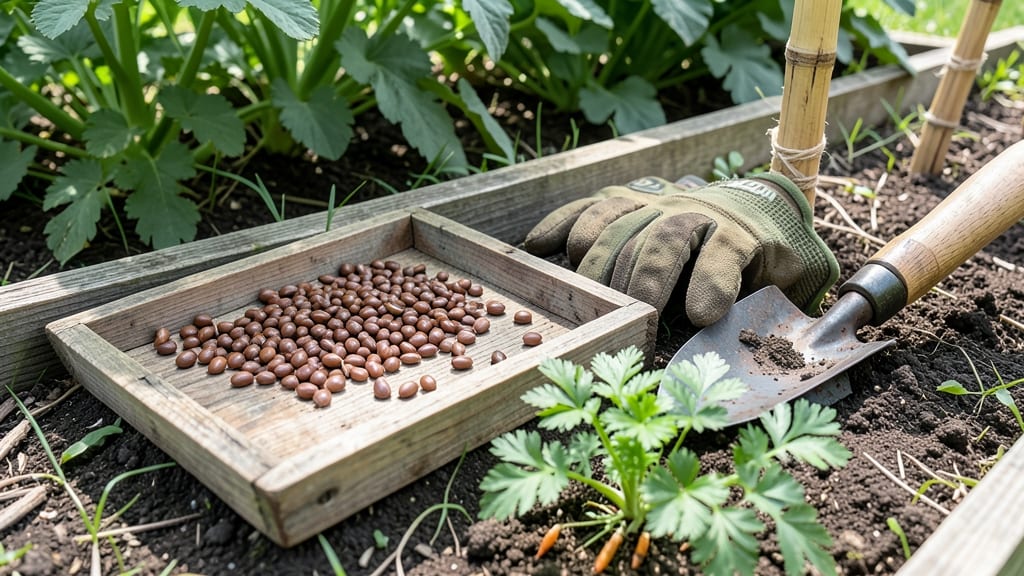
Timing your 🥕 carrot planting in East Texas isn't just about following a calendar—it's about beating the heat and humidity that can turn your sweet roots into bitter disappointments.
With our 8a zone's long summers and unpredictable winters, getting the windows right makes all the difference between a bountiful harvest and wasted effort.
Most gardeners here focus on the obvious spring planting, but the real secret lies in those fall windows when temperatures start cooling. I've learned through trial and error that August through early September gives you the perfect balance of warmth and moisture for those first critical weeks of growth.
What you'll discover here are the exact planting dates that work for both spring and fall, plus soil prep tricks to prevent the forking that plagues so many East Texas gardens. We'll also cover how to protect your young plants from our region's notorious pests and heat stress.
The best part? These strategies have helped me consistently grow carrots that are sweet, crisp, and ready for harvest just when you need them. Let's get you started on your path to perfect 🥕 roots that actually live up to the hype.
Best planting windows for carrots in East Texas heat zones
East Texas’ USDA Zone 8a climate throws curveballs—90°F+ summers and unpredictable frosts can ruin carrot crops if you’re not strategic. The key? Planting during two narrow windows when soil temps and weather align for germination and growth.
I’ve grown carrots here for years, and these timing tricks have saved my harvests from bolting or rotting.
Your primary planting windows are late February to early March for spring crops and August to early September for fall harvests. These months balance soil warmth (ideal: 60-70°F) with avoiding extreme heat or late frosts.
Miss these windows, and you’ll face either slow germination or bitter, stunted roots.
Here’s the golden rule: Wait until the soil temperature reaches at least 60°F (use a soil thermometer!) before planting. In East Texas, this typically happens by mid-March for spring and early September for fall.
Planting too early in cool soil leads to hard, uneven germination—a nightmare for home gardeners.
🌱 East Texas Carrot Planting Timeline
| Season | Planting Window | Soil Temp | Frost Risk | Harvest Window |
|---|---|---|---|---|
| Spring | Late Feb - Early Mar | 60-70°F | Low (after last frost) | May - June |
| Fall | Aug - Early Sep | 65-75°F | Moderate (first frost Nov) | Nov - Dec |
| Winter (Risky) | Oct (with protection) | 55-60°F | High | Feb (if survived) |
⚠️ Pro Tip: Use row covers for winter planting to extend your season by 4-6 weeks.
East Texas’ humidity and heat create unique challenges. If you plant in late spring (April-May), your carrots will likely bolt (go to seed) before maturing—turning sweet roots into woody, bitter messes. I’ve seen this happen every year when gardeners ignore the 90-day heat window rule.
For fall crops, aim to harvest before first frost (Nov 15), or use black plastic mulch to delay frost by 2-3 weeks.
Don’t overlook soil preparation—East Texas clay soils are notorious for causing forked carrots. Amend your beds with 2-3 inches of compost and sand (50/50 mix) to create loose, fine-textured soil.
I swear by double-digging to break up compaction. Plant seeds 1/4 inch deep and 1 inch apart—crowding leads to small, twisted roots.
For successful germination, keep seeds consistently moist (not soggy) until sprouts appear. In East Texas’ dry heat, this means daily watering with a fine mist or drip irrigation. Once seedlings emerge, thin to 2-3 inches apart—this prevents competition and ensures straight, plump roots.
I’ve lost count of how many times I’ve thinned too late and ended up with bunched, gnarly carrots.
If you’re new to East Texas gardening, start with short-season varieties like ‘Early Nantes’ (58 days) or ‘Paris Market’ (60 days). These mature before summer’s intense heat kicks in.
For fall, ‘Danvers Half Long’ (70 days) is my go-to—it handles cooler temps better than most. Always rotate planting locations yearly to prevent disease buildup in the soil.
One critical mistake I see often? Planting carrots in full summer heat (June-July). The soil can exceed 90°F, causing seeds to rot before sprouting. If you’re desperate for a summer crop, try shade cloth (30-50%) and daily watering—but expect smaller yields.
For most gardeners, sticking to the spring/fall windows is the sweet spot for crisp, flavorful carrots.
Finally, mark your calendar for these East Texas deadlines:
- Last frost date: March 15 (safe to plant after)
- First frost date: November 15 (harvest before)
-
Best planting windows for carrots in East Texas heat zones
East Texas' 8b-9a heat zones create unique challenges for growing carrots, but timing your plantings correctly can mean the difference between sweet, crisp roots and bitter, stunted failures. The key is understanding how our hot summers and mild winters affect germination and growth.
Most successful East Texas gardeners focus on two main planting windows: late winter/early spring and late summer/early fall. These periods give your carrots the best chance to establish strong roots before facing extreme heat or cold. Let's break down exactly when to plant for maximum success.
| Planting Window | Soil Temp | Frost Risk | Days to Harvest |
|---|---|---|---|
| Late February - Early March | 55-65°F | Low (post-last frost) | 70-80 days |
| August - Early September | 70-80°F | None (summer heat) | 60-70 days |
| October - Mid-November | 60-70°F | Moderate (first frost) | 70-80 days |
For spring plantings, aim for late February to early March when soil temperatures reach 55-65°F. This gives your carrots time to establish before our April heat arrives. I always test soil temperature with a simple thermometer - anything below 50°F will delay germination significantly.
Our fall window from August to early September is actually my favorite because it avoids the worst summer heat. Planting then gives you roots ready for harvest by November, just before the first frost.
The key is keeping soil moist during these hot months - I use drip irrigation to prevent drying.
Don't overlook October plantings either - they give you a second fall harvest just before winter sets in. Just be prepared to cover young plants with frost cloth if temperatures dip below 30°F. I've found that Danvers variety handles these cooler conditions best in my East Texas garden.
Remember that soil preparation is just as important as timing. East Texas clay soils need plenty of compost and sand to prevent forking. I always mix in 1/3 compost and 1/3 sand before planting to create that ideal loose, fine texture.