
Plants
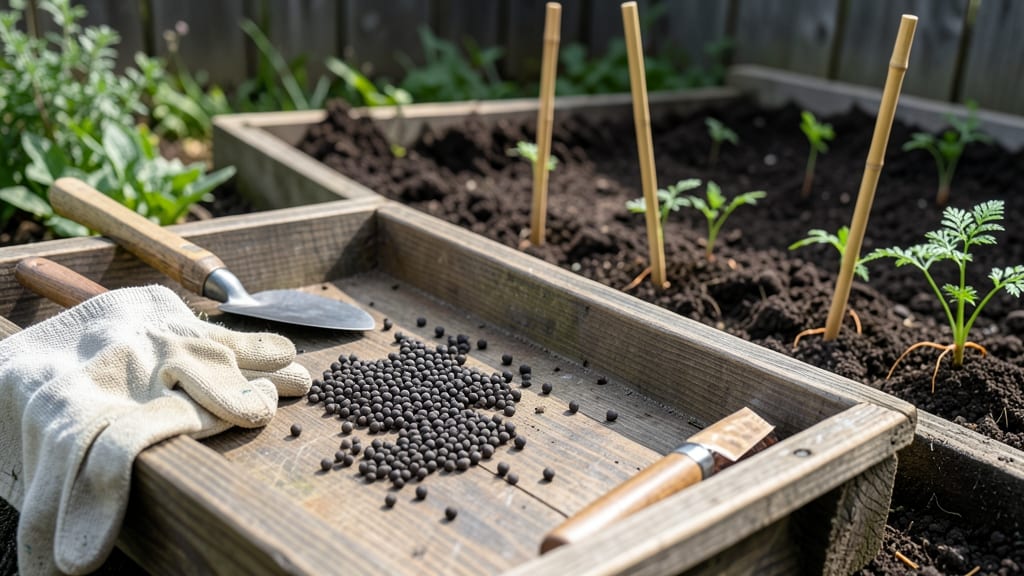
Timing when to plant carrot seeds in Ohio just right can mean the difference between a bumper crop of sweet, crisp roots and a patch of sad, stunted vegetables.
Plant too early, and frost will nip them in the bud; too late, and the summer heat sends them bolting before you even get a harvest.
Ohio’s USDA Zone 6a climate gives you two prime windows to plant: early spring (March–April) and late summer (August–September). But with last frosts creeping in around mid-April and first frosts hitting by mid-October, precision matters.
Skip the guesswork—this guide breaks down the exact timing, soil prep, and microclimate tweaks to maximize your yield.
You’ll learn how to beat Ohio’s unpredictable weather, from using row covers for early starts to avoiding the June heat that turns carrots bitter. Plus, I’ll share the best varieties for your zone and how to time your second planting for a fall harvest that lasts until November.
Ready to grow carrots that actually taste like carrots? Let’s dive into the frost-free timeline that’ll have you pulling perfect roots all season long.
Ohio carrot planting calendar: exact dates by hardiness Zone (5-7)
Ohio’s USDA hardiness zones 5-7 create a 14-day window difference between northern and southern regions for planting carrots. In Zone 5a (northwest Ohio), you’ll need to start seeds indoors by March 1st to beat the May 10th average last frost.
Meanwhile, Zone 7a (southern Ohio) can direct-sow as early as March 15th with minimal frost risk.
Carrots thrive when soil temperatures reach 55°F+—a critical threshold Ohio gardeners must track. Use a soil thermometer to confirm readiness, as cold soil stunts germination and leads to leggy seedlings. In Zone 6a (central Ohio), aim for April 1st outdoor sowing once daytime highs consistently hit 60°F.
Pro Tip: Ohio’s short growing season (165 frost-free days) demands two planting windows: early spring (March–April) and late summer (August–September) for fall harvests. The August 15th window is ideal for Zone 5b gardeners to avoid bolting before frost.
| Zone | First Planting Window | Second Planting Window | Soil Temp Threshold | Last Frost Date |
|---|---|---|---|---|
| 5a (Toledo, Youngstown) | March 1 (indoors) / April 15 (outdoors) | August 1 (fall crop) | 55°F+ | May 10 |
| 5b (Columbus, Dayton) | March 15 (outdoors) / April 1 | August 10 | 55°F+ | April 25 |
| 6a (Cincinnati, Akron) | March 20 / April 5 | August 15 | 55°F+ | April 15 |
| 6b (Lima, Mansfield) | March 25 / April 10 | August 20 | 55°F+ | April 10 |
| 7a (Chillicothe, Athens) | April 1 / April 15 | August 25 | 55°F+ | March 25 |
For Zone 5a gardeners, extend your season by using black plastic mulch to warm soil 2–3 weeks earlier than bare ground. Test a small plot in late February—if soil stays above 50°F for 5 days, you can plant 3 weeks ahead of the calendar.
Ohio’s humid summers (June–July) are the worst time to plant carrots—they bolt quickly in 80°F+ heat. Instead, focus on late August sowings for a fall harvest before frost. Aim to harvest by October 15th in Zone 5 or November 1st in Zone 7.
Use succession planting every 2 weeks from March to July to ensure a continuous harvest. This works especially well for short-season varieties like ‘Little Finger’ (50 days) or ‘Nantes’ (60 days).
Remember: Carrot seeds are tiny—plant them ¼-inch deep in loose, stone-free soil. Ohio’s clay-heavy soils (common in northeast Ohio) benefit from sanding the bed to prevent forked roots.
Track your local microclimate—urban areas (like Columbus) may frost 2–3 days later than rural zones. Use neighborhood planting groups or Ohio State Extension data to fine-tune your schedule.
🌱
How to adjust planting for Ohio’s unpredictable weather: frost, heat, and pest risks
Ohio’s weather is famously fickle—one day it’s 60°F and sunny, the next it’s 30°F with frost. Carrots, which need consistent soil temps above 55°F, suffer when planted too early or late. The key? Staggered sowing and protective measures to outsmart Mother Nature’s mood swings.
I’ve learned the hard way that June plantings in Ohio’s humidity often lead to bolting (carrots flowering prematurely) or forked roots from uneven soil moisture.
Start with row covers or cold frames for 4–6 weeks before your last frost date. These create a microclimate that warms soil faster while shielding seedlings from late spring frosts.
In my Zone 6a garden, I’ve had success sowing Danvers carrots under covers in early March—even when the ground feels frozen. Just remove covers once true leaves appear and soil warms to 60°F+.
Here’s the critical timeline I follow for Ohio’s two planting windows: - Spring: Sow 4–6 weeks before last frost (typically late March to early April). - Fall: Sow 8–10 weeks before first frost (early August for most of Ohio).
Avoid June plantings—carrots hate heat and bolt quickly when temps exceed 80°F.
⚠️ Ohio-Specific Risks to Avoid
Wireworms (larvae of click beetles) love young carrot seeds—especially in sandy soils common in northern Ohio. Rotate crops yearly and use diatomaceous earth as a barrier.
Carrot rust fly thrives in Ohio’s humidity. Row covers are your best defense; remove only at flowering to allow pollinators.
Bolting from heat stress? Choose short-day varieties like ‘Nantes’ or sow in partial shade during July.
For northern Ohio (Zones 5a–5b), add a 1–2 week buffer to your planting dates. My neighbor in Toledo once lost an entire batch of carrots to a May frost—she now uses black plastic mulch to accelerate soil warming.
In southern Ohio (Zones 6b–7a), focus on fall plantings to escape summer’s oppressive heat.
Pro tip: Test your soil for nitrogen levels before planting. Ohio’s clay-heavy soils often need compost or aged manure to prevent woody, bitter carrots. I mix in 1 inch of compost at planting and top-dress with fish emulsion at 6 weeks for a sweet, crisp harvest.
Finally, harvest before frost—even if roots aren’t perfect. Carrots left in freezing soil turn mushy. Cure them in the sun for 2–3 hours before storing in sand or sawdust to extend freshness through winter. Trust me, crisp October carrots are worth the effort!