
Plants
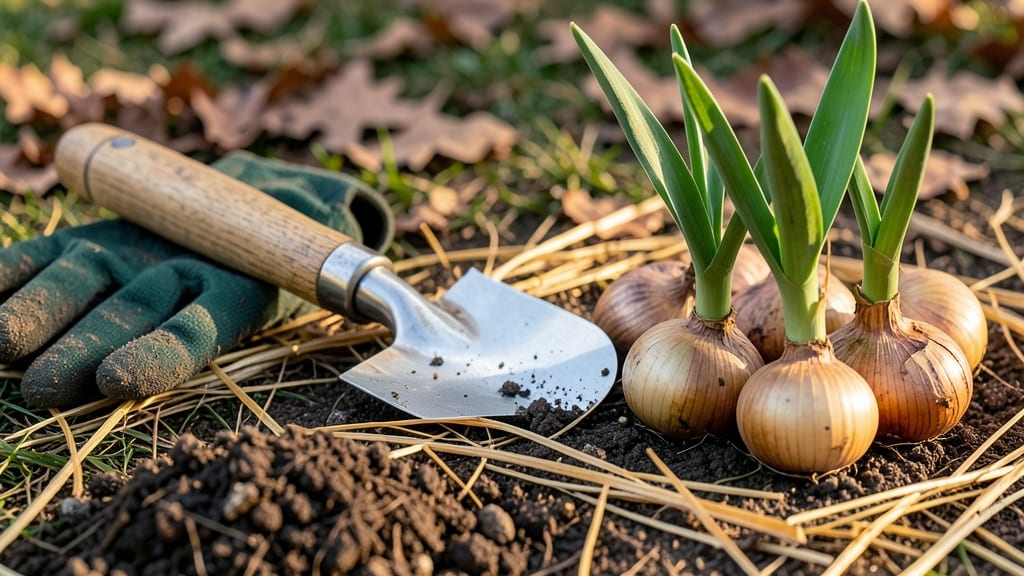
Planting tulips in North Carolina at the wrong time can mean blooms that never arrive—or worse, bulbs that rot before spring. But timing isn’t one-size-fits-all: microclimates, hardiness zones, and tulip varieties all demand precision.
For gardeners in zones 7a-8b, the ideal window stretches from October through December, when soil temperatures drop below 60°F and frost looms. This 4-6 week period ensures bulbs establish roots before winter’s chill sets in.
Why does this matter? Tulips planted too early may sprout and get fried by heatwaves, while late plantings risk shallow roots that freeze. I’ll break down exactly when to plant by variety—from early bloomers like Darwin Hybrids to late-season Fosteriana types—and how to adjust for NC’s varied frost dates.
Let’s get your 🌷s off to the best start with zone-specific deadlines, soil prep secrets, and pro tips to outsmart squirrels and fungal risks. Your spring garden will thank you!
North Carolina tulip planting deadlines by hardiness zone (6A-8B)
North Carolina spans USDA zones 6A through 8B, and your last frost date determines the perfect tulip planting window. In Zone 6A (mountains), aim for October 1-15—your ground freezes earlier, so bulbs need time to root before winter.
Meanwhile, Zone 8B (coastal areas) gives you until January 15, thanks to milder winters.
Tulips thrive when planted 4-6 weeks before the ground freezes. Use your local frost dates as a guide: Raleigh gardeners should plant by November 15, while Asheville’s cooler climate demands October planting. Soil temperatures should drop to 40-50°F—ideal for bulb rooting.
Soil temperature is critical: bulbs rot if planted in warm soil (>60°F). Test your soil with a soil thermometer—aim for 50-55°F at planting time. In Zone 7A (like Charlotte), this usually aligns with late October to early November.
Missed the fall window? Spring planting is possible in Zone 8B (e.g., Wilmington), but blooms may be smaller or delayed. Plant in January-February and expect flowers 4-6 weeks later than fall-planted bulbs. For Zone 7A and cooler, spring planting risks bulb rot due to summer heat.
Here’s your zone-by-zone planting timeline with frost-risk analysis:
Pro tip: Use mulch (3-4 inches) after planting to insulate bulbs and regulate soil temperature. In Zone 6A, add mulch by late October; in Zone 8B, wait until December to avoid trapping heat.
For early bloomers (like Darwin Hybrids), plant 2-3 weeks earlier than the zone deadline. These varieties need longer rooting time to produce larger, showier flowers. Late varieties (e.g., Fosteriana) can tolerate later planting but still need 6-8 weeks of cold to bloom.
Miss the deadline? Don’t panic. Zone 8B gardeners can plant January bulbs for summer blooms—just expect smaller flowers and less vigor. In cooler zones, spring planting is risky but possible if you chill bulbs for 8-12 weeks before planting.
Remember: Tulips need cold to bloom. Without 6-8 weeks below 40°F, your bulbs may leaf out but not flower. Use this chart to time your planting for maximum blooms next spring! 🌷
Best tulip varieties for North Carolina’s climate & when to plant them
North Carolina’s USDA zones 7a-8b welcome a stunning array of tulip varieties, but not all bloom equally in our humid subtropical climate. Early bloomers like Darwin Hybrids thrive in cooler mountain zones, while Parrot Tulips handle the heat better in Piedmont regions.
Let’s match varieties to your microclimate—and their ideal planting windows.
For mountain regions (zones 7a-7b), prioritize cold-hardy varieties like Fosteriana (early bloomers) and Greigii types. These need planting by mid-October to establish roots before winter. In Piedmont zones 7b-8a, opt for Darwin Hybrids (mid-season) or Fransen tulips, which handle slightly warmer winters—plant these by late November.
Coastal areas (zone 8b) demand heat-tolerant varieties like Parrot Tulips or Double Late Tulips. These should go in the ground by early December to avoid summer heat stress. Remember: later bloomers need earlier planting to compensate for NC’s longer growing season.
| Variety | Bloom Time | Best NC Zones | Planting Window | Pro Tip |
|---|---|---|---|---|
| Darwin Hybrids | Mid-season (April) | 7a-8a | Oct 15–Nov 15 | Cold-hardy; great for containers |
| Parrot Tulips | Late (May) | 7b-8b | Nov 1–Dec 10 | Heat-tolerant; plant deep |
| Fosteriana | Early (March) | 7a-7b | Oct 1–Nov 1 | Dwarf; perfect for borders |
| Greigii | Early (March) | 7a-8a | Oct 15–Nov 10 | Striped petals; mulch heavily |
| Double Late | Late (May) | 7b-8b | Nov 15–Dec 15 | Fragile stems; stake early |
Pro tip: Early varieties (like Fosteriana) need 6-8 weeks of cold to bloom, while late varieties (like Double Late) benefit from longer chilling. In warmer zones, consider pre-chilling bulbs for 8-10 weeks in the fridge before planting. This mimics NC’s natural winter and prevents premature sprouting.
For container gardening, choose dwarf varieties like Tiny & Bit or Queen of Night. These thrive in pots and can be planted 2-3 weeks later than ground planting (around mid-November) since containers warm up faster. Just ensure pots have drainage holes to prevent bulb rot.
Finally, rotate your tulip varieties yearly to prevent viral diseases common in NC’s humid climate. If you loved last year’s Parrot Tulips, plant them in a new spot this fall. This simple step keeps your garden vibrant and healthy for seasons to come. 🌷