
Plants
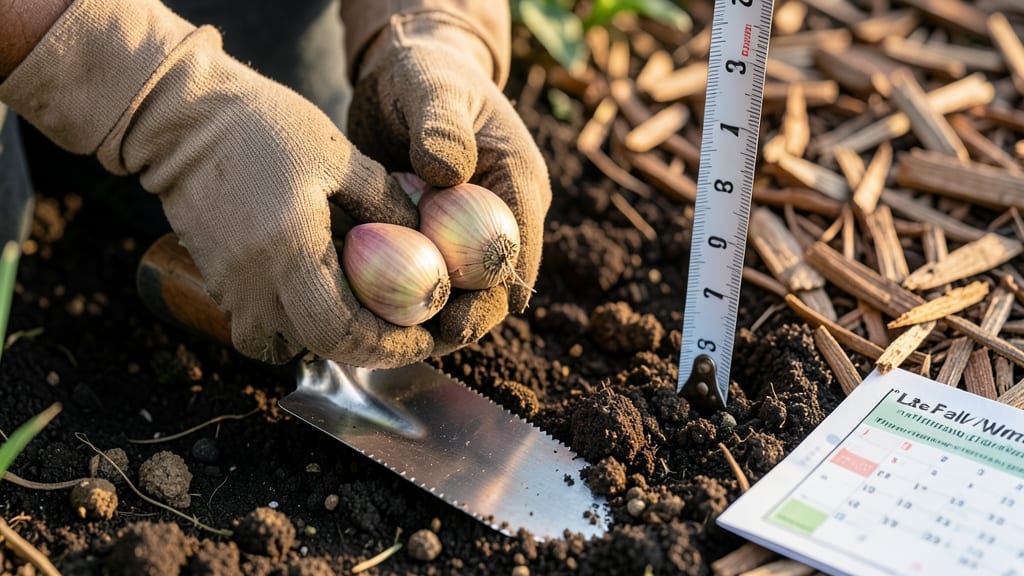
Planting tulips in Oklahoma isn’t just about throwing bulbs in the ground—it’s about timing them perfectly to beat the state’s unpredictable freezes and ensure those 🌷 blooms pop up reliably every spring.
Most gardeners know fall is the key, but Oklahoma’s USDA Zones 6b-7a demand a narrower window—typically September through November—when soil temps dip to 50–60°F and frost looms. Skip this, and you risk frost-heaving or bulbs rotting before winter.
Here’s the secret: Planting too early or late can turn your tulips into a gamble. I’ll walk you through the exact soil warmth and frost-date hacks that work for Oklahoma’s climate, so you can plant with confidence and avoid common mistakes.
Ready to transform your garden into a springtime showstopper? Let’s dive into the step-by-step timing that’ll have your tulips thriving—no guesswork required.
Oklahoma’s ideal tulip planting window: frost dates & soil temperature rules
Planting tulips in Oklahoma requires precision because our USDA Zones 6b-7a experience unpredictable frost patterns. The ideal window spans mid-September to mid-November, but timing depends on your exact zone and soil conditions.
In northern Oklahoma (Zone 6b), aim for late September to early October—when soil temps drop to 50-60°F—while southern areas (Zone 7a) can wait until mid-October to early November.
Oklahoma’s average first frost date falls around November 15, but bulbs need 4-6 weeks to establish roots before winter. Planting too early (August) risks premature sprouting from warm soil, while late planting (December) may leave bulbs vulnerable to frost heaving—a common issue in Oklahoma’s freeze-thaw cycles.
Here’s the key rule: Soil temperature matters more than calendar dates. Use a soil thermometer to confirm temps between 50-60°F at 6-inch depth. In Oklahoma’s clay-heavy soils, this often aligns with late October, but urban areas (like Oklahoma City) may need adjustments due to heat island effects.
Pro Tip: Check Oklahoma Mesonet’s frost forecasts for your county. Their data shows 30% variance in frost dates between rural and urban areas—critical for Oklahoma gardeners!
| USDA Zone | Ideal Planting Window | Soil Temp Threshold | Key Consideration |
|---|---|---|---|
| Zone 6b (Northern OK) | Late September–Early October | 50–55°F (6" depth) | Earlier frost risk; use mulch |
| Zone 7a (Southern OK) | Mid-October–Early November | 55–60°F (6" depth) | Later frost dates; extend window |
| Urban Areas (OKC, Tulsa) | Early–Mid October | 50–58°F (6" depth) | Heat island effect delays cooling |
For reliable blooms, plant bulbs 6-8 inches deep and 4-6 inches apart in well-draining soil. Oklahoma’s clay soil often needs amendments like compost or sand to prevent waterlogging, which can rot bulbs before winter.
Test your soil’s drainage rate by digging a hole, filling it with water, and timing how long it takes to drain—aim for 2-4 hours.
Another Oklahoma-specific tip: Adjust for microclimates. South-facing slopes warm faster and may need earlier planting, while north-facing areas can wait 1-2 weeks later. Elevation also plays a role—higher areas (like the Wichita Mountains) frost earlier than lowlands near Lake Texoma.
If you miss the fall window, spring planting is possible but risky. Plant in late February to early March when soil temps reach 50°F, but expect smaller blooms and potential pest issues like tulip fire fungus, which thrives in Oklahoma’s humid springs.
Remember: Tulips need cold dormancy to bloom. Planting too late (after December 1) may result in no flowers next spring because bulbs won’t get enough vernalization—a critical process for tulips.
How to adjust planting for Oklahoma’s unpredictable weather: frost-date hacks
Oklahoma’s unpredictable frost dates can throw off even the most experienced gardeners. In USDA Zones 6b-7a, late freezes after your tulips sprout are a real risk—but with the right adjustments, you can protect those blooms and still enjoy vibrant spring colors.
The key? Timing your planting to match your local microclimate and using protective strategies like mulching and deeper bulb placement.
Urban areas like Oklahoma City often experience earlier frost than rural zones, so check your last average frost date (typically November 15 for most of the state). Planting 4-6 weeks before this date gives bulbs time to root before winter sets in.
For example, if your frost date is November 20, aim for late September to early October planting.
🚨 NON-NEGOTIABLE: Use this numbered-highlights** visual element to guide your adjustments:
Plant 2-3 weeks earlier in Zone 6b (north OK) to beat early frost. In Zone 7a (south OK), you have until mid-November. Apply 3-4 inches of mulch (straw or shredded leaves) after planting to insulate bulbs and prevent frost heaving. Replenish in winter. In windy or exposed areas, bury bulbs 8 inches deep (vs. standard 6 inches) for extra protection. Use a trowel for precision. Select ‘Darwin Hybrid’ or ‘Fosteriana’ tulips—they bloom 2-3 weeks earlier than standard types, dodging late freezes. Wait until soil cools to 50-60°F (use a soil thermometer) before planting. Warm soil speeds up root growth but risks rot. If you’re in a warmer microclimate (like near lakes or urban heat islands), you might push planting to early December. However, avoid planting after December 1—bulbs need 6-8 weeks of chilling to bloom. For container growers, use black plastic pots to absorb heat and extend the planting window by a week or two. Pro tip: Mark your planting spots with flags or stakes so you don’t accidentally dig up bulbs in spring. Oklahoma’s spring rains can turn garden beds into mud, making it easy to lose track of where you planted. A little planning now saves headaches—and wasted bulbs—later. Remember, even with perfect timing, late freezes can still damage tulips. But by combining these strategies—early planting, mulching, and variety selection—you’ll give your tulips the best shot at surviving Oklahoma’s wild swings in weather and gracing your garden with bold spring blooms. 🌷