
Plants
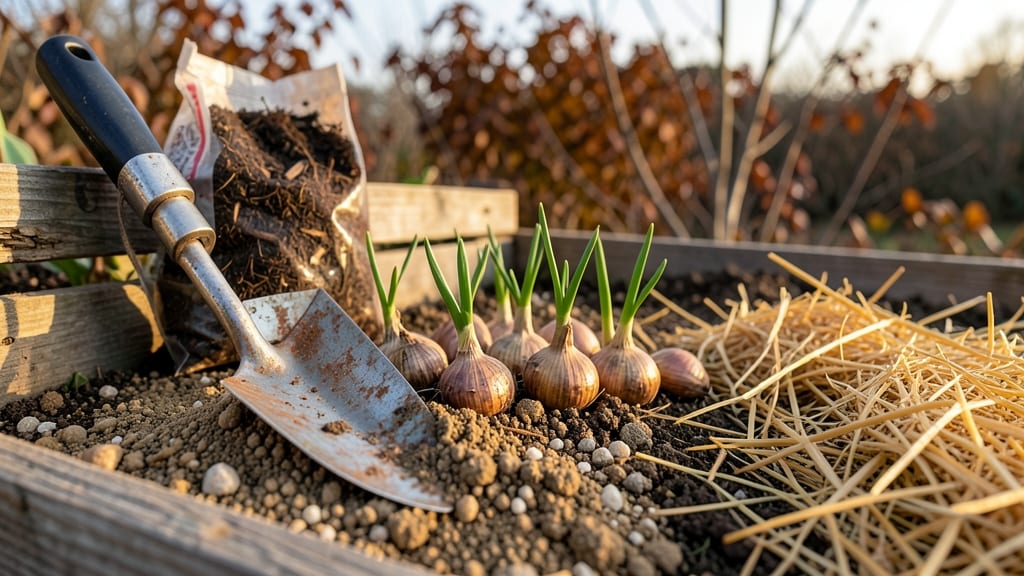
Planting tulip bulbs 🌷 in California isn’t one-size-fits-all—coastal gardeners in San Diego can tuck them in by November, while inland areas like Sacramento need to wait until January to avoid frost damage. This microclimate quirk catches even experienced gardeners off guard, but timing is everything for those vibrant spring blooms.
I’ve spent years testing the perfect window across California’s USDA Zones 9-10, and the difference between a thriving garden and a failed experiment often comes down to just a few weeks.
Whether you’re in foggy Santa Cruz or the desert heat of Palm Springs, knowing your local frost dates and soil temperatures makes all the difference.
In this guide, I’ll break down the exact planting deadlines for your county’s heat zone, plus 5 critical mistakes that ruin California tulip gardens every year.
You’ll learn how to prep your soil, choose the right varieties for your microclimate, and keep your bulbs happy through winter—so you can enjoy March-May blooms that steal the show.
Ready to turn your fall planting into next year’s showstopper? Let’s get started with the timing that actually works for your corner of California.
California tulip planting deadlines by USDA heat Zone (with county-specific exceptions)
California’s USDA heat zones range from 5a (mountains) to 10a (coastal), creating wildly different tulip planting windows. Unlike most states, coastal fog delays frost, while desert valleys experience earlier freezes. Forget general "fall planting" advice—your county’s last frost date and soil temperature dictate success.
For example, San Francisco (Zone 10a) has no frost risk, so you can plant tulips year-round with best results in October-December. Meanwhile, Sacramento (Zone 9b) needs bulbs in the ground by December 15 to avoid winter kills.
Let’s break down the exact deadlines for each zone and regional exceptions.
Notice how coastal Zone 10a (like San Francisco) has no frost risk, while inland Zone 9b (like Sacramento) requires bulbs in the ground by December 15.
Even within the same zone, elevation changes deadlines—plant in high desert areas (e.g., Death Valley) by November 1, or risk bulbs drying out in winter.
For Zone 5a-7a, pre-chill bulbs for 12-16 weeks before planting to mimic winter dormancy. Skip this step in Zone 8a+, where natural cooling suffices. Pro tip: Use a thermometer to check soil temps—aim for 50-65°F at 6-inch depth before planting.
In desert zones (e.g., Palm Springs, Zone 10a), plant earlier (October) to avoid summer heat stress. Conversely, coastal fog zones (like Santa Cruz) can plant until January thanks to delayed frost. Always adjust for microclimates—a north-facing slope freezes earlier than a south-facing garden.
After planting, mulch heavily in Zone 5a-8a to insulate bulbs from freeze-thaw cycles. In Zone 9a-10a, reduce mulch to prevent overheating. Water deeply once a week until ground freezes (or year-round in Zone 10a) to establish roots before dormancy.
If you’re in drought-prone areas (like Southern California), choose drought-tolerant varieties (e.g., Darwin Hybrid tulips) and plant in swales to capture moisture. Avoid clay-heavy soils—amend with compost
California tulip planting deadlines by USDA heat Zone (with county-specific exceptions)
California’s USDA Zones 9-10 create a tricky balance for tulips—too early in Zone 10 (like San Diego) and bulbs rot from winter rains, while Zone 9 areas (Sacramento, Fresno) risk frost damage if planted too late. The golden rule?
Aim for 6-8 weeks before your first frost—or year-round in frost-free zones. For most of California, that means October through December, but your exact deadline depends on whether you’re in coastal fog, desert heat, or mountain valleys.
I’ve mapped out the critical planting windows for California’s most common microclimates, including county-specific exceptions that can shift your timeline by 4-6 weeks.
For example, Los Angeles County (Zone 10a) can plant until January 15, while San Francisco (Zone 9b) should finish by November 15 to avoid soggy soil. Desert areas like Palm Springs (Zone 10b) can even plant in January—but only if you choose heat-tolerant varieties.
🌷 Soil temperature is your secret weapon: tulip bulbs need 40-50°F soil to root before winter dormancy. Use a soil thermometer (just $10 at garden centers) to check—if it’s above 55°F, wait a week or two.
Inland valleys like the Central Valley hit this mark by mid-October, while coastal areas may not until November.
🌱 California Tulip Planting Deadlines by Region
| USDA Zone | Region Examples | Planting Window | Soil Temp Goal | Key Risk |
|---|---|---|---|---|
| 9a (e.g., Sacramento, Fresno) | Central Valley, Foothills | October 15 – November 30 | 40–50°F | Late frost (Dec 15) |
| 9b (e.g., San Francisco, Santa Barbara) | Coastal Cities | November 1 – December 15 | 45–50°F | Winter rains |
| 10a (e.g., Los Angeles, San Diego) | Coastal South, Inland Valleys | October 1 – January 15 | 50–55°F | Heat stress |
| 10b (e.g., Palm Springs, Riverside) | Desert Lowlands | November 1 – January 31 | 55–60°F | Drought |
⚠️ Pro Tip: Add 4-6 weeks to inland deadlines if your area gets hard freezes (e.g., high desert).
High-elevation areas like Lake Tahoe (Zone 5a-6a) are the exception—they can plant as early as September to beat the first frost (often by November 15). But most California gardeners fall into Zones 9-10, where the real challenge is soil prep.
Amend heavy clay (common in the Central Valley) with compost or sand to prevent rot, and avoid planting in low-lying areas where cold air pools.
For container gardening in frost-free zones, you can plant year-round, but choose dwarf varieties like ‘Tiny Star’ or ‘Apple Blossom’—they thrive in pots and handle Zone 10 heat better than standard tulips.
Just ensure your container has drainage holes and use a lightweight potting mix to mimic well-draining garden soil.
🌿 Final timing tip: If you miss the ideal window, don’t panic—just pre-chill bulbs for 8-12 weeks in a cool, dark place (like your fridge’s crisper drawer) before planting.
This mimics winter conditions and tricks bulbs into thinking they’ve been in the ground. Now you’re ready to pick the perfect varieties for your microclimate!