
Companion Plants
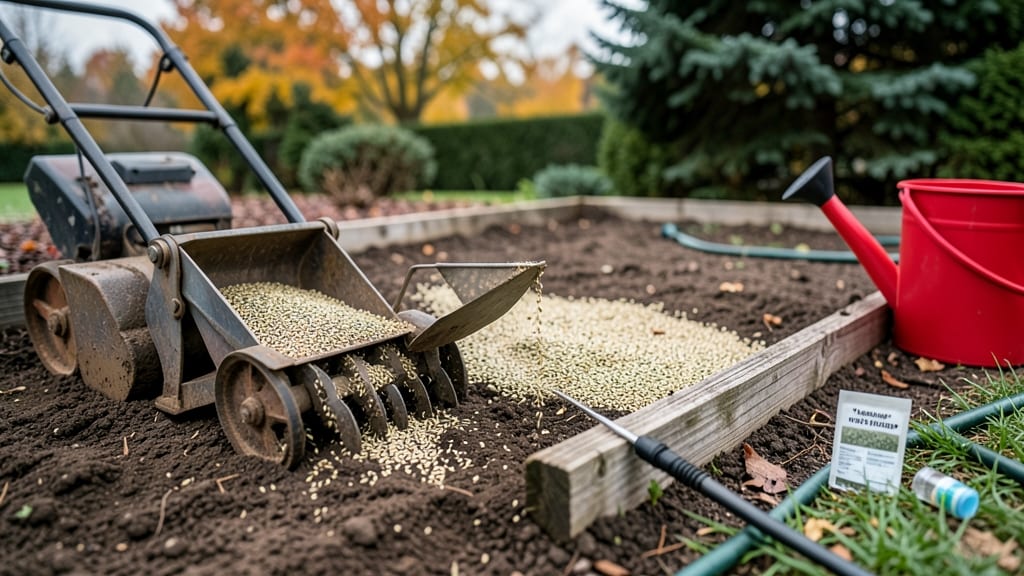
Planting grass seed at the wrong time in spring can turn your dream of a lush lawn into a frustrating wait for patchy, weak growth—4 to 6 weeks before the last frost is the golden window, but getting it wrong just a few weeks can cost you months of recovery.
If you're in Zone 6a, like many gardeners, that means aiming for early to mid-April—just as the soil warms and days grow longer. But timing isn’t just about the calendar; soil temperature, grass type, and even your local microclimate play a bigger role than you might think.
Cool-season grasses like Kentucky bluegrass need that early start, while warm-season types like Bermuda grass should wait until after frost entirely.
I’ve seen firsthand how a few extra weeks of patience (or rushing too soon) can make or break a lawn. Too early, and your seeds rot in cold, wet soil. Too late, and summer heat stresses them before they take root.
The key? Checking soil temps and adjusting for your region’s frost patterns—because what works for a neighbor might fail for you.
In this guide, I’ll break down the exact steps to calculate your perfect planting window, the best grass types for spring, and the 5 critical mistakes that derail even the most well-intentioned gardeners. Let’s get your lawn off to the strongest start possible.
How to calculate your exact spring grass seed planting window
Timing your grass seed planting isn’t just about guessing—it’s a science that balances soil temperature, frost dates, and grass type.
The golden rule is planting 4 to 6 weeks before your last expected frost, but this shifts based on your USDA hardiness zone and local weather patterns. For example, in Zone 5, that might mean early April, while Zone 9 could wait until May.
Let’s break down how to pinpoint your exact window so your seeds germinate strong and avoid summer heat stress.
Start by checking your last frost date—this is your anchor. Use the USDA Plant Hardiness Zone Map or your local agricultural extension service for precise data. Then, count backward 4–6 weeks from that date.
This window ensures seeds have time to sprout and develop roots before soil temperatures climb above 75°F (24°C), which can shock young grass. Pro tip: Add an extra week if your spring is typically wet or cool.
Next, test your soil temperature—this is non-negotiable. Grass seeds need soil to stay between 60–75°F (15–24°C) for consistent germination. If temps dip below 50°F (10°C), seeds may rot or fail to sprout. Use a soil thermometer (available for under $10) to check daily for 5+ days before planting.
Early mornings are best for testing, as temps fluctuate less. Remember, cooler climates (like Zone 3–5) may need to plant as early as March, while warmer zones (like Zone 7–9) can wait until May.
Don’t overlook your grass type—cool-season grasses (e.g., Kentucky bluegrass, tall fescue) thrive when planted early, while warm-season types (e.g., Bermuda, zoysia) should wait until after frost.
For instance, perennial ryegrass germinates in just 7–14 days, making it ideal for late-spring planting, whereas Kentucky bluegrass takes 14–21 days and needs that extra head start. Match your seed to your climate zone for best results.
Here’s how to adjust for regional quirks: High-altitude areas (e.g., Denver, CO) often have later frost dates, so plant 2 weeks earlier than the general rule.
Similarly, if your spring is unusually wet (like in the Pacific Northwest), delay planting until the soil dries enough to work without clumping. Conversely, in drought-prone areas (e.g., Arizona), aim for early spring to capitalize on residual winter moisture.
Key Factors for Timing Grass Seed Planting
| Factor | Why It Matters | How to Check/Adjust |
|---|---|---|
| Last Frost Date | Seeds need 4–6 weeks to germinate before soil temps rise above 75°F (24°C). | Use USDA Plant Hardiness Zone Map or local weather service. |
| Soil Temperature | Ideal range: 60–75°F (15–24°C). Below 50°F (10°C), germination stalls. | Test with a soil thermometer or check local ag extension reports. |
| Grass Type | Cool-season grasses (e.g., Kentucky bluegrass) need earlier planting; warm-season (e.g., Bermuda) wait until after frost. | Match your grass type to planting charts (e.g., Turftype.org). |
| Regional Adjustments | Northern climates (Zones 3–5) plant 6–8 weeks before frost; Southern (Zones 7–9) may plant as late as May. | Add 1–2 weeks in high-altitude areas or wet springs. |
Once you’ve nailed down your window, prep your soil 2–4 weeks ahead. Aerate compacted areas, remove debris, and loosen the top 4–6 inches of soil to improve root penetration. If your soil is heavy clay or sandy, amend it with compost or peat moss to retain moisture and nutrients.
A quick pH test (ideal range: 6.0–7.0) will tell you if you need to add lime (to raise pH) or sulfur (to lower pH). Adjusting pH now prevents nutrient lockout later.
Finally, monitor your local 5-day forecast in the week leading up to planting. Avoid sowing if rain is predicted—seeds need consistent moisture but can drown if oversaturated. Instead, water lightly twice daily (morning and evening) to keep the soil damp, not soggy.
This mimics natural rainfall and encourages even germination. With these steps, you’ll transform guesswork into a lush, green lawn that’s ready to handle summer’s challenges.
🌱
Best grass types for spring planting and their ideal timing
Not all grass types thrive when planted in spring, and choosing the wrong one for your climate can lead to slow germination or even failure. Cool-season grasses like Kentucky bluegrass and tall fescue are the top picks for spring planting because they germinate quickly in cooler soils and establish strong roots before summer heat arrives.
Warm-season grasses, such as Bermuda or zoysia, should never be planted in spring—they struggle with cool temperatures and frost. Instead, wait until after your last frost date (typically May–June) to plant these heat-loving varieties. Below, we’ll break down the best grass types for spring, their ideal planting windows, and how to match them to your climate zone.
| Grass Type | Planting Window (Before Last Frost) | Germination Time | Key Advantages | Best For |
|---|---|---|---|---|
| Kentucky Bluegrass | 6–8 weeks before frost (early March–April) | 14–21 days | Drought-tolerant once established; deep roots | Northern climates (Zones 3–6) |
| Tall Fescue | 4–6 weeks before frost (late March–early April) | 10–14 days | Heat/drought-resistant; dense growth | Transition zones (Zones 4–8) |
| Perennial Ryegrass | 4–6 weeks before frost (flexible) | 7–14 days | Fast germination; good for overseeding | Cool climates (Zones 2–9) |
| Bermuda Grass | After last frost (May–June) | 7–14 days | Heat-loving; goes dormant in winter | Southern climates (Zones 7–10) |
| Zoysia Grass | After last frost (May–June) | 14–21 days | Low-maintenance; spreads via stolons | Warm climates (Zones 6–10) |
If you’re in USDA Zones 3–6, prioritize Kentucky bluegrass or tall fescue for their cold tolerance and rapid germination. For Zones 4–8, tall fescue or perennial ryegrass blends work well because they handle both cool springs and summer heat.
Meanwhile, Southern gardeners (Zones 7–10) should skip spring planting entirely for warm-season grasses and focus on Bermuda or zoysia in late spring or early summer.
Pro tip: Mix perennial ryegrass (fast germinator) with tall fescue (long-term durability) for a hybrid lawn that establishes quickly and thrives for years. Just be sure to check your seed blend’s recommended planting window—some mixes specify earlier or later dates based on their grass composition.
For overseeding an existing lawn, perennial ryegrass is my go-to because it germinates in just 7–14 days, filling in bare spots faster than other types. Pair it with a starter fertilizer (high in phosphorus) to boost root development during the critical first 30 days.
🌱