
Plants
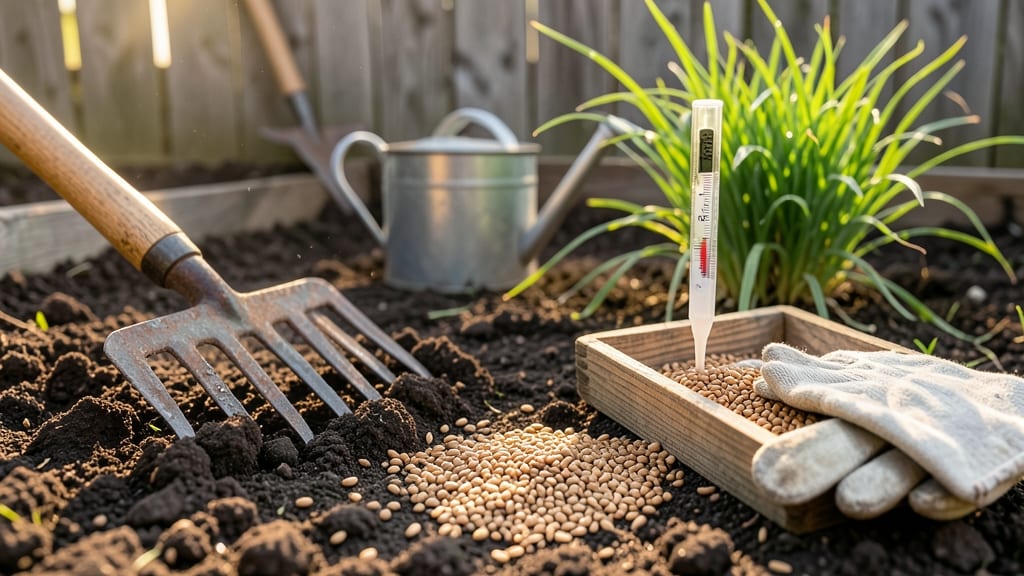
Timing your Bermuda grass seed planting in North Texas isn’t just about the calendar—it’s about beating the heat and outsmarting the climate. Plant too early, and your seeds will bake before they sprout; too late, and they’ll struggle to establish before summer’s relentless sun.
The sweet spot for fast, lush growth lies in a narrow window that aligns with soil temperatures and local weather patterns.
Most North Texas gardeners make one critical mistake: they assume Bermuda grass thrives anytime after the last frost. But in zones 7b-8a, the real magic happens when soil reaches 75-85°F—meaning late spring to early summer is your best bet.
This isn’t just guesswork; it’s backed by Texas A&M AgriLife research on how heat stress derails germination. Let’s break down the exact months and conditions that set you up for success.
You’re not just planting grass—you’re laying the foundation for a fast, drought-resistant lawn that survives North Texas summers. The key? Starting when the ground is warm enough to trigger quick germination, but not so hot that seeds dry out before roots take hold.
We’ll cover the precise planting window, soil prep secrets, and how to adjust for your specific region—whether you’re in Dallas-Fort Worth or West Texas.
Ready to skip the trial-and-error? I’ll walk you through the step-by-step rules that turn a risky gamble into a guaranteed green lawn. No more waiting months for coverage—just science-backed timing for results you can see in weeks.
North Texas Bermuda grass planting calendar: best months for spring vs fall success
Bermuda grass thrives in North Texas’ hot, dry climate, but timing is everything. Plant too early, and cool soil temperatures slow germination. Plant too late, and intense summer heat can bake seeds before sprouting. The ideal window is late spring to early summer—when soil temps hit 75-85°F consistently.
North Texas’ USDA zones 7b-8a mean frost risk lingers until mid-March, but Bermuda grass seed won’t germinate until soil warms above 65°F.
In Dallas-Fort Worth, this typically aligns with late April to early May, while West Texas areas like Lubbock may wait until mid-May due to faster warming.
Fall planting is riskier in North Texas because first frosts arrive by mid-November. If you choose fall, aim for late August to early September—giving seedlings 6-8 weeks to establish before winter dormancy. However, spring planting (April-June) offers the best balance of warm soil and long growing season.
Here’s the science-backed breakdown of when to plant for maximum success in North Texas:
| Planting Window | Soil Temp Requirement | North Texas Region | Key Risk |
|---|---|---|---|
| Late April - Early May | 65-70°F | Dallas-Fort Worth | Cool snaps |
| Mid-May | 75-80°F | West Texas | Drought stress |
| Late August - Early Sept | 70-75°F | All regions | Early frost |
| June | 80-85°F | East Texas | Heat shock |
Bermuda grass seed germinates fastest when soil stays between 75-85°F.
In North Texas, this typically means waiting until after Memorial Day (late May) for most areas. East Texas (like Tyler) can plant slightly earlier, while West Texas (Amarillo) may need to delay until June to avoid extreme heat stress on young seedlings.
Fall planting works only if you have 6+ weeks of warm weather left. For example, planting in early September in Dallas gives seedlings time to root before November frosts. However, West Texas often sees earlier frosts, making fall planting riskier there.
One common mistake North Texas gardeners make is planting too early in spring and ending up with thin, patchy growth due to cool soil slowing germination. Conversely, planting in July or August can cause seeds to overheat and fail to sprout.
The sweet spot is late spring—when daytime highs hit 90°F+ but nights stay mild.
For urban lawns in cities like Fort Worth, aim for mid-May planting to align with school summer breaks—giving you time to establish the lawn before foot traffic increases. In rural areas, where water access may be limited, June planting can reduce early-season irrigation needs.
Texas A&M AgriLife Extension recommends oversowing in late spring (May-June) for North Texas because Bermuda grass spreads via stolons, and warm soil speeds this process. If you miss spring, your only safe window is late summer, but success rates drop by 30-40% compared to spring.
North Texas Bermuda grass planting calendar: best months for spring vs fall success
Bermuda grass thrives in North Texas’ heat, but timing is everything. Plant too early, and your seed risks frost damage or slow germination. Too late, and the 90°F+ soil can bake seeds before sprouting.
The ideal window is when soil temps hit 75-85°F—typically late April to early June for spring and late August to early September for fall.
For Dallas-Fort Worth (Zone 8a), aim for May 15-June 15 in spring. West Texas (Zone 7b) can start 2 weeks earlier due to faster warming. Fall planting offers a second chance—seedlings establish before winter dormancy, but avoid planting after September 15 to prevent weak growth before frost.
🌱
| Planting Window | Soil Temp | Key Risks | Best For |
|---|---|---|---|
| Late April - Early June | 75-85°F | Late frost, drought stress | Spring establishment |
| Late August - Early September | 70-80°F | Weed competition, early frost | Fall recovery |
| Avoid after Sept 15 | Below 65°F | Slow growth, winterkill | Not recommended |
Spring planting gives Bermuda grass 3-4 months to establish before summer heat. Fall planting, however, lets seedlings root deeply before winter dormancy. Both methods work, but spring wins for faster coverage—critical if you’re overseeding a worn lawn. For new lawns, fall planting reduces weed competition and water stress.
Check soil temps with a soil thermometer (available at garden centers). If temps dip below 65°F at night, delay planting. In West Texas, where summers are hotter, start 2 weeks earlier than DFW to avoid seed desiccation.
Pro tip: Use a seed starter fertilizer (high phosphorus) to jumpstart germination. Apply it 1 week before planting to boost root development. This is especially critical in clay-heavy soils common in North Texas, which can suffocate young roots.
☀️