
Plants
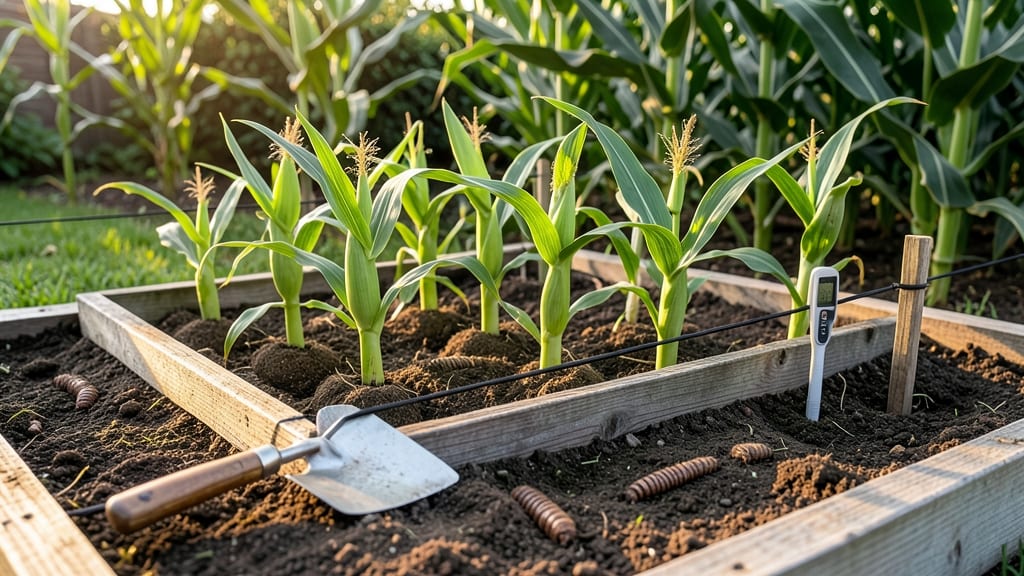
Planting corn in East Texas isn’t just about sticking seeds in the dirt—it’s about hitting those heat zone deadlines that separate a bumper crop from a sad, wilted disappointment.
With the right timing, you can grow towering 🌽 stalks that produce sweet, juicy ears from late July to October, but get it wrong, and you’ll either lose your plants to frost or watch them struggle in the brutal summer heat.
Most East Texas gardeners know the general rule: wait until after the last frost, which typically hits around mid-April. But here’s the catch—soil temperature matters just as much as the calendar.
Corn needs warm soil, ideally 60°F or higher, to germinate properly, and waiting for that warmth can mean the difference between a thriving garden and a frustrating failure.
In this guide, I’ll break down the exact planting windows for your USDA Zone 8a climate, including how to adjust for late freezes or early heatwaves.
Whether you’re a first-time gardener or a seasoned pro, these tips will help you maximize your yield and enjoy fresh corn straight from your backyard.
Ready to turn your East Texas garden into a corn paradise? Let’s dive into the science—and the secrets—behind planting corn at the perfect moment.
Best planting dates for East Texas corn by heat zone (zone 8a-8b)
East Texas’s USDA zones 8a-8b create a unique window for growing corn—warm enough to avoid frost but hot enough to risk heat stress if planted too late.
The last average frost date in most of East Texas falls around March 15, but soil temperatures must reach 60°F for reliable germination. This means your ideal planting window opens in mid-April and closes by early May.
For gardeners in Tyler, Longview, or Nacogdoches, cooler microclimates may allow slightly earlier plantings, while Houston and Beaumont areas should push planting to late April to avoid summer’s brutal heat.
Understanding these heat zone deadlines ensures your corn matures before the first frost in mid-November, giving you a full harvest window from late July to October.
Here’s how to align your planting with East Texas’s climate quirks:
| Stage | Action | Notes |
|---|---|---|
| Soil Prep | Test soil pH (6.0-7.0) | East Texas clay soils often need compost. |
| Planting Window | Mid-April to early May | Wait for 60°F soil and no frost risk. |
| Depth | 1 inch deep | Deeper in sandy soils (1.5 inches). |
| Spacing | 4-6 inches apart | Rows 3 feet apart for pollination. |
| Harvest Window | Late July to October | Early varieties first, late varieties last. |
| Frost Risk | Avoid after November 15 | Use row covers for late plantings. |
If you’re in a cooler pocket like Mount Enterprise, you might squeeze in an early April planting, but most of East Texas benefits from waiting until April 15-30. This timing ensures your corn avoids late spring freezes while still maturing before the summer heat peaks in June.
For maximum yield, aim to harvest before September 15. After that, corn may develop starchy kernels instead of sweet ones, and drought stress becomes a bigger risk. Staggered plantings—every 2 weeks—can extend your harvest through October.
One common mistake in East Texas is planting too late. If you miss the early May deadline, your corn may bolt (send up a flower stalk) too quickly or struggle in 90°F+ temperatures. Use a soil thermometer to confirm readiness—60°F is non-negotiable for germination.
Pro tip: Plant a test row in late March to monitor soil warming. If it sprouts, you’re safe to expand. If not, wait until mid-April. This simple step can save your entire crop from frost damage or poor germination.
Remember, East Texas’s humidity and heat demand consistent moisture. Once planted, maintain 1-2 inches of water per week, focusing on deep watering in the morning to prevent fungal diseases like corn smut. Mulch with straw to retain moisture and regulate soil temperature.
By following these heat zone deadlines, you’ll transform East Texas’s challenging climate into your corn’s perfect growing environment. The result? Sweet, plump ears that outshine store-bought corn—and bragging rights at your next backyard barbecue.
Best planting dates for East Texas corn by heat zone (zone 8a-8b)
East Texas’s USDA zones 8a-8b offer a narrow window for planting corn—too early and frost zaps tender seedlings, too late and summer’s 90°F+ heat stresses plants before harvest.
The sweet spot? Mid-April to early May, after the average last frost date (March 15) but before soil temperatures hit 85°F+. But timing varies by region: Houston’s humidity demands earlier planting than Tyler’s drier climate.
Key factors for success include soil temperature (wait until it hits 60°F at 4-inch depth) and day length—corn needs 14+ hours of daylight for optimal pollination. Use a soil thermometer to avoid guesswork, especially in East Texas’s unpredictable spring.
🌱 East Texas Corn Planting Timeline
| Stage | Action | Notes |
|---|---|---|
| Soil Prep | Test pH (6.0–7.0), amend with compost | Add aged manure 2 weeks before planting |
| Planting Window | Mid-April to early May | After last frost, soil ≥60°F |
| Germination | 5–10 days | Keep soil moist (not soggy) |
| Harvest Ready | Late July–October | Silks brown, kernels milky |
For Houston’s zone 8b, aim for April 1–15—earlier than Tyler’s zone 8a (April 15–30)—due to Houston’s slower soil warming. Use black plastic mulch in cooler areas to speed up soil heating by 5–10°F.
If planting in late May, choose short-season varieties (e.g., ‘Early Sunglow’, maturing in 70 days) to avoid summer stress.
Pro tip: Plant staggered rows every 2 weeks to extend harvest time. For example, start one row on April 15 and another on May 1—this ensures continuous ears from July through September. Just avoid planting after June 1, as 100°F+ days stunt growth and reduce yield.
Monitor local weather forecasts for late frosts—East Texas’s 2022 freeze delayed planting by 3 weeks in some areas. If frost threatens after planting, cover seedlings with frost cloth or row covers until soil warms. And remember: Corn needs pollinators! Plant bee-friendly flowers (like marigolds) nearby to boost yields.
Finally, track your first frost date (typically November 15) to plan for a second planting if you love fresh corn. For East Texas, late June–early July is the cutoff for a fall harvest—just select fast-maturing varieties (e.g., ‘Bodacious’, 85 days) to beat the heat.