
Plants
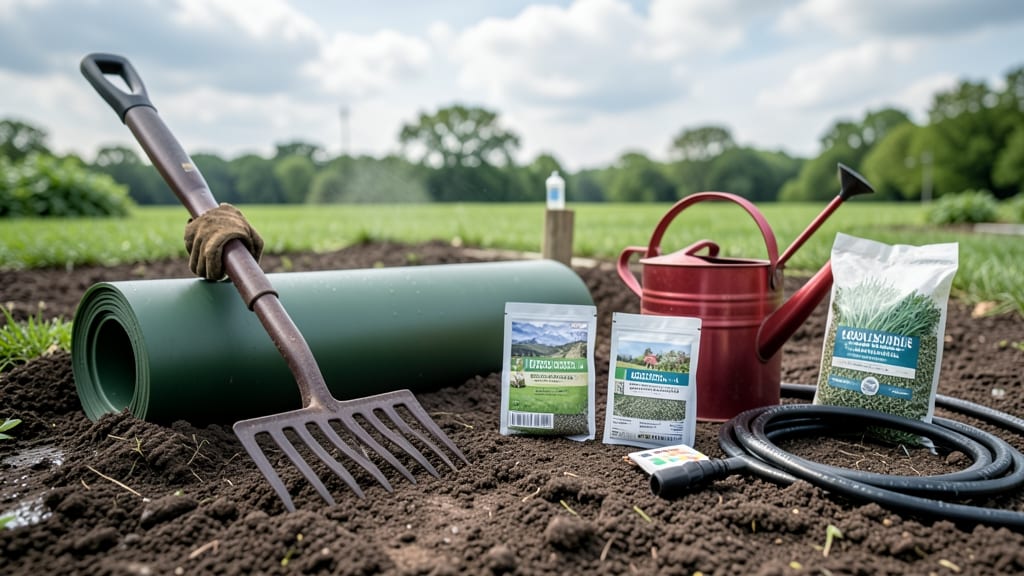
Planting grass seed in Massachusetts at the wrong time can turn your hard-earned investment into a wasted effort—frost, heat, or poor soil conditions can all sabotage your lush lawn dreams before they even begin.
The best window isn’t just about the calendar; it’s about soil temperature, frost risk, and regional microclimates that vary from Boston to the Berkshires.
If you’ve ever stared at a seed packet wondering, "Why isn’t my grass growing?"—the answer likely lies in timing. Whether you’re in USDA Zone 5b or 7a, early spring (April) and late summer (August-September) offer the fastest germination and strongest root establishment.
But skip these windows, and you risk seedlings struggling against summer drought or winter freeze.
I’ve tested what works in Massachusetts lawns for years, and the secrets aren’t just about when to plant—they’re about preparing your soil, choosing the right seed blend, and protecting your investment from unpredictable weather shifts. Let’s break down the exact steps to turn your lawn from patchy to picture-perfect.
From soil temperature tricks to regional adjustments for northern vs. southern MA, you’ll learn how to outsmart frost, drought, and even clay-heavy soil—so you can finally enjoy that vibrant, healthy lawn you’ve been dreaming of. Ready to get started?
Massachusetts grass seed planting calendar: optimal months by soil temperature and frost risk
Timing your grass seed planting in Massachusetts is all about avoiding frost damage while catching the ideal soil temperatures for germination. The best windows are early spring and late summer—when soil stays between 50-65°F and frost risk is low.
Let’s break down the exact months and how to check your soil’s readiness.
In Massachusetts, the last frost typically hits mid-April in most regions, while the first frost arrives around mid-October. These dates create two perfect planting seasons: April-May (spring) and August-September (fall). Planting outside these windows risks seed loss from heat stress or frost, so timing is critical.
Here’s how to verify your soil is ready: Use a soil thermometer (available at garden centers) to check soil temperature at a depth of 2-3 inches. For germination, aim for 50-65°F.
If it’s below 50°F, wait—cold soil slows growth. If it’s above 75°F, you’re too late for spring or too early for fall.
Pro tip: Morning soil temps are more reliable than afternoon spikes. Test for 3-5 days to confirm consistency before planting. In northern MA, soil warms slower, so you may need to wait until late April or early September.
| Season | Best Months | Soil Temp (°F) | Frost Risk | Key Action |
|---|---|---|---|---|
| Spring | April-May | 50-65°F | Low (after last frost) | Plant after soil warms |
| Fall | August-September | 50-65°F | Low (4-6 weeks before frost) | Seedlings establish roots before winter |
| Avoid | June-July | Above 75°F | High (heat stress) | Seedlings dry out quickly |
| Avoid | October-November | Below 50°F | High (frost) | Seed won’t germinate |
For spring planting, aim to finish by early June—this gives seedlings time to establish roots before summer heat sets in. In fall, plant by mid-September to allow 4-6 weeks of growth before the first frost. Late fall plantings risk weak seedlings that won’t survive winter.
If you’re in Zone 5b (northern MA), like Worcester or Springfield, stick to the late April or early September windows. Southern regions like Boston or Cape Cod can plant slightly earlier (mid-April or late August) due to milder microclimates.
Always check the National Weather Service or local USDA frost maps for your exact area. A few degrees can mean the difference between a thriving lawn and wasted seed. Start with small test patches if you’re unsure about your timing!
Remember: Consistent moisture is just as important as timing. After planting, keep soil moist (not soggy) for the first 2-3 weeks—this is when most seeds germinate. Use a sprinkler with gentle mist or soaker hose to avoid displacing seeds.
🌱
How to adjust planting time for northern vs southern Massachusetts climates
Massachusetts isn’t one-size-fits-all when it comes to planting grass seed. The northern part of the state—think Worcester, Springfield, or the Berkshires—faces earlier frosts and cooler soils, while southern regions like Boston, Cape Cod, or Providence enjoy milder winters and longer growing seasons.
These differences can shift your planting window by 3-4 weeks, so knowing your microclimate is key.
For example, if you’re in Zone 5b (northern MA), your last frost typically hits by mid-April, leaving you with a tight window for spring planting.
Meanwhile, in Zone 7a (southern MA), you might still see frost as late as early April, giving you a few extra weeks to prep. Coastal areas like Cape Cod also experience milder winters thanks to ocean winds, which can delay first frosts until late October.
To fine-tune your schedule, check the USDA Plant Hardiness Zone Map for your exact location. Use tools like the National Weather Service’s frost prediction tool or local extension service reports to track soil temperatures—aim for 50-65°F for optimal germination.
In northern MA, this might mean waiting until late April, while southern MA gardeners can start as early as early April.
| Factor | Northern MA (Zone 5b) | Southern MA (Zone 7a) |
|---|---|---|
| Last Frost Date | Mid-April | Early April |
| First Frost Date | Late October | Mid-October |
| Ideal Spring Planting Window | Late April - Early May | Early April - Mid-May |
| Ideal Fall Planting Window | Mid-August - Early September | Early August - Late September |
| Soil Temp for Germination | 55-65°F | 50-60°F |
| Microclimate Notes | Cooler, shorter season; clay-heavy soil common | Warmer, longer season; sandy soil near coast |
Another critical factor is elevation. Areas like the Berkshires or Worcester Plateau can be 5-10°F cooler than nearby valleys, pushing back your planting window. Conversely, coastal regions like Martha’s Vineyard or Nantucket benefit from moderating ocean breezes, allowing for earlier spring starts and later fall plantings.
Pro tip: If you’re in a transition zone (like parts of Central MA), split your planting. Sow 50% of your seed in spring and the remaining 50% in fall to hedge against unpredictable weather. This strategy also helps reduce weed competition, as fall plantings establish roots before winter dormancy.
Finally, don’t overlook local weather patterns. Check the 7-day soil temperature forecast from the Massachusetts Climate Data Portal before planting. If temperatures dip below 50°F at night, delay until conditions stabilize—your grass seed won’t thank you for a false start!
With these adjustments, you’ll outsmart MA’s climate and grow a lawn that’s thicker, greener, and more resilient.