
Plants
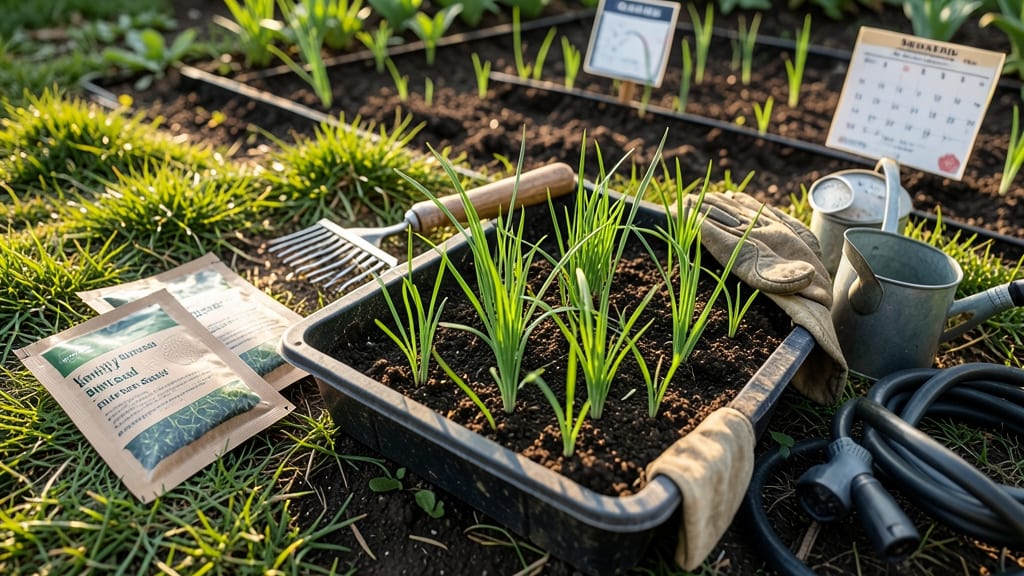
When is it too late to plant grass seed in Massachusetts? After mid-September, you risk weak roots, winter kill, or patchy lawns—but the exact cutoff depends on your county. In Boston’s Zone 6b, frost can hit by late October, while Western MA’s Zone 5b may see it weeks earlier. The key isn’t just dates; it’s soil warmth and grass type.
Cool-season grasses like Kentucky bluegrass need 4-6 weeks to establish roots before frost. If you’re in Essex County, aim for late August; in Worcester, push to early September.
Warm-season grasses like Bermuda have a slightly longer window but still struggle if planted too late. The real danger? Shallow roots that freeze or drought-stressed seedlings.
Don’t panic if you’ve missed the ideal window. Overseeding in early spring or adjusting soil prep (like mulching or fertilizing) can salvage late plantings.
I’ll walk you through county-specific deadlines, signs your grass won’t survive, and how to give it a second chance—because even Zone 5b gardeners deserve a lush lawn.
Ready to avoid next spring’s bare patches? Let’s break down the exact dates, soil tricks, and grass types that make the difference between a 5-minute fix and a year-long headache.
Massachusetts county-by-county deadlines for fall grass seed planting
Massachusetts’ cool-season climate makes fall the prime time for grass seed planting, but timing varies by county. The 6-week root establishment rule means planting too late risks winter kill or poor germination.
For most of the state, aim to finish by mid-September—but southern counties like Bristol and Plymouth can push to early October.
Northern counties like Berkshire and Franklin face earlier frosts (late September), so their deadline is early September. Always check your USDA zone (5b-7a)—warmer zones like Nantucket (7a) have a 2-week later window than colder inland areas.
| County | USDA Zone | Last Planting Date | First Frost Avg | Grass Type |
|---|---|---|---|---|
| Berkshire | 5b | September 1 | October 10 | Tall Fescue |
| Essex | 6b | September 15 | October 20 | Kentucky Bluegrass |
| Suffolk (Boston) | 6b | September 20 | October 25 | Perennial Ryegrass |
| Bristol | 7a | October 5 | November 1 | Fine Fescue |
| Franklin | 5b | August 31 | October 5 | Tall Fescue |
For cool-season grasses (Kentucky Bluegrass, Fine Fescue), plant 4-6 weeks before frost to ensure roots establish before winter. Warm-season grasses (like Bermuda) are rare in MA but should be planted by mid-June—any later risks heat stress before dormancy.
Use a frost map tool like the National Weather Service’s Frost Probability Forecast to track local trends. In 2023, sudden cold snaps in late September caught many gardeners off guard—always plan for a 2-week buffer after your county’s average.
Pro tip: Test soil temps with a soil thermometer. Grass seeds need 50-65°F soil temps to germinate. If temps drop below 40°F, germination stalls entirely. In northern MA, this happens by mid-October.
If you’re overseeding an existing lawn, aim for mid-to-late September when daytime temps stay above 60°F but nights cool. This gives seeds 4-6 weeks of growth before dormancy sets in.
For bare soil or new lawns, late August to early September is ideal. By September 15, most MA counties see shorter daylight hours, which slows germination. Push past this date, and you risk thin, patchy lawns next spring.
Remember: Late planting ≠ failure. With proper soil prep (aeration, compost, starter fertilizer) and protective mulch, you can extend deadlines by 1-2 weeks. But don’t gamble—September 15 is your hard cutoff for most of the state.
🌱
Signs your late grass seed planting will fail (and how to fix it)
Even if you plant grass seed late in the season, you can still salvage your lawn—but only if you recognize the warning signs early. Thin germination, shallow roots, and winter damage are the biggest red flags.
If your grass isn’t filling in after 3-4 weeks, it’s likely struggling to establish before dormancy.
Another clue? Weeds popping up while your grass stays sparse. Weeds thrive in bare soil, and if your grass seed isn’t germinating quickly enough, they’ll outcompete it. Slow color change (staying brown or patchy) also signals stress from late planting.
🌱
⚠️ Late Planting Risks
- Weak roots: Grass planted too late won’t develop deep roots before winter.
- Winter kill: Frost can damage tender new shoots before they harden off.
- Patchy lawn: Uneven germination leads to thin spots that weeds fill.
- Fungal risk: Cool, damp fall weather promotes disease in stressed grass.
🌿 Fix it: Adjust soil pH (6.0-7.0), add compost, and mulch lightly to protect seeds.
To fix a struggling late planting, start with soil prep. Test your soil’s pH—most grass thrives in 6.0-7.0 range.
If it’s off, amend with lime (to raise pH) or sulfur (to lower it). Loosen the top 2-3 inches of soil to help roots penetrate, and mix in 2-3 inches of compost for nutrients.
Next, adjust your watering schedule. Late-season plantings need consistent moisture but avoid soggy soil. Water deeply in the morning (6-10 AM) to reduce evaporation and fungal risk. If frost threatens, cover seeds with straw mulch (1/4 inch thick) to insulate them overnight.
For overseeding vs. full reseeding, consider this: If your existing lawn is 50%+ bare, full reseeding may be worth the risk. But if only small patches are thin, overseeding in early fall (before late September) gives seeds time to germinate before winter.
Finally, fertilize strategically. Skip heavy nitrogen in late plantings—it encourages top growth at the expense of roots. Instead, use a low-nitrogen starter fertilizer (10-0-10) to boost root development before dormancy. Apply it lightly 2-3 weeks after planting and stop by mid-October.
With these fixes, you can often salvage a late planting—but act fast! Grass planted after mid-September in most of MA rarely survives winter without intervention. 🌿