
Plants
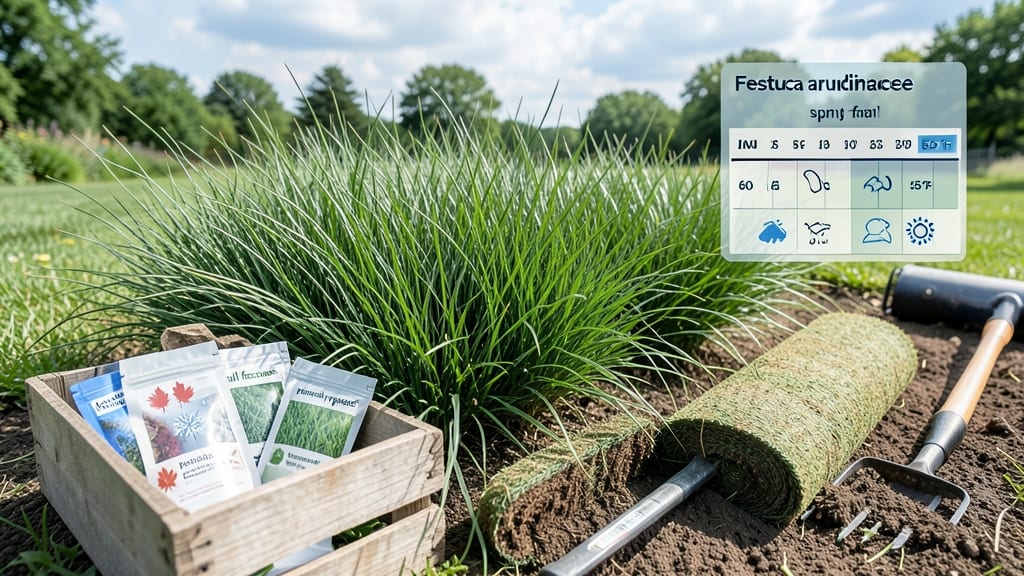
Planting grass in Michigan at the wrong time can turn your dream lawn into a patchy, weed-infested mess—especially when unpredictable frost and soil temperatures throw off your timing.
The key to a thick, resilient lawn lies in understanding when to plant, whether you're in Detroit or Traverse City, so you avoid the common mistakes that leave grass struggling to establish.
Fall is the best window for most Michigan lawns, but spring works too—if you get it right. I’ll break down the exact deadlines for zones 5b-6b, including soil temperature rules and how to adjust for northern vs. southern regions where frost hits earlier or later.
Missing these dates means weaker roots and winter kill.
Preparing your lawn properly is just as critical as timing. From soil testing to weed control, I’ll walk you through the steps to give your grass the strongest start—plus a critical weather trick to avoid planting before rain washes away your hard work.
Whether you’re seeding bare spots or overhauling your entire yard, these insights will help you skip the costly mistakes and grow a lawn that survives Michigan’s harsh winters. Let’s get started.
Michigan grass planting deadlines by season: spring vs fall rules for zones 4-6
Michigan’s USDA Zones 4-6 create a tight window for planting grass—miss it, and your lawn struggles to establish before winter or summer heat. The optimal planting times are early spring (after last frost) and fall (4-6 weeks before first frost), but exact dates vary by region.
Northern Michigan (e.g., Traverse City) has 2-3 weeks earlier deadlines than southern areas (e.g., Detroit), thanks to colder microclimates.
Fall planting is my top recommendation for Michigan because cooler temps reduce stress on new grass, and established roots handle winter better. But spring planting works too—just avoid planting when soil temps drop below 50°F (use a soil thermometer to check).
In Zone 5b (northern MI), aim for September 1–October 15; in Zone 6b (southern MI), stretch to mid-October.
Spring planting must wait until soil warms to 55°F+—typically mid-April to mid-May in most of Michigan. Planting too early risks frost damage, while waiting too long lets weeds take over.
Pro tip: Use a seed germination calculator (like the Michigan State University Lawn Calculator) to input your ZIP code for precise dates.
For cool-season grasses (like Kentucky bluegrass and tall fescue, Michigan’s top picks), fall is ideal because roots grow aggressively in 60–70°F soil before winter dormancy.
Warm-season grasses (e.g., Bermuda) aren’t suited for Michigan’s climate, but if you’re in Zone 6b’s southern tip, you can plant them in late May–June for summer color.
Watch for Michigan’s “false springs”—warm spells in March or April that trick you into planting too early. A hard freeze in May (common in northern MI) can wipe out new grass. My rule: Wait until lilacs bloom consistently (late April–early May) before spring planting.
Pro move: Test your soil 2–3 weeks before planting—Michigan’s clay-heavy soils often need gypsum or compost to improve drainage. Aim for a pH of 6.0–7.0; adjust with lime (to raise pH) or sulfur (to lower it).
Overlooking this step leads to poor germination and weak roots, even with perfect timing.
Northern Michigan’s shorter growing season means you’ll need to plant cool-season grass 2–3 weeks earlier than southern regions. For example, in Marquette (Zone 5a), target August 15–September 10 for fall planting, while Grand Rapids (Zone 5b) can stretch to October 1.
Always check the National Weather Service’s frost predictions for your county.
If you’re overseeding an existing lawn, follow the same timing but reduce seed rates by 25–30%. Thin lawns need less seed to fill gaps, and overseeding in late summer (August) can extend your window if fall planting slips.
Remember: Grass planted in September–October establishes 50–70% more roots before winter than spring-planted grass. That’s why fall is the gold standard for Michigan lawns—just don’t wait until mid-October or risk frost damage before roots anchor.
How to prepare your Michigan lawn for perfect grass planting timing
Preparing your Michigan lawn before planting grass isn’t just about throwing seed on bare soil—it’s about creating the ideal conditions for deep roots and rapid growth. Start with a soil test to check pH levels (aim for 6.0–7.0) and adjust with lime or sulfur if needed.
Most Michigan soils lean acidic, so this step prevents nutrient lockout and helps your grass thrive.
Next, clear existing weeds using a pre-emergent herbicide or manual removal. Weeds compete aggressively for nutrients, and even small patches can choke out new grass. For best results, apply herbicide 4–6 weeks before planting—this gives it time to break down while keeping weeds at bay.
- 🔍 Test soil pH (6.0–7.0 ideal) and amend if needed.
- 🌱 Remove weeds with herbicide or manual pulling.
- 🪴 Aerate compacted soil (rent a core aerator for best results).
- 💧 Water deeply 24 hours before planting to settle soil.
- ☀️ Check weather forecast—avoid planting if rain is expected within 48 hours.
Aeration is often overlooked but critical for Michigan lawns, where compacted soil blocks root growth. Rent a core aerator or hire a service to pull small soil plugs (about 2–3 inches deep) across your lawn.
This opens up channels for seeds to settle and roots to spread, which is especially important in heavy clay soils common in northern Michigan.
Right before seeding, give your soil a deep watering (1–1.5 inches) to help seeds make contact with moisture. This step reduces the risk of seeds drying out before germination. Pro tip: Use a rain gauge or tuna can to measure water depth—eyeballing it often leads to uneven moisture distribution.
Finally, monitor the 7-day weather forecast before planting. If heavy rain is predicted within 48 hours, delay seeding to avoid erosion and seed washout. Michigan’s spring and fall rains can turn your freshly planted lawn into a muddy mess if you’re not prepared.
With these steps, your grass will establish faster and stronger, outcompeting weeds and surviving Michigan’s harsh winters. The extra effort now saves headaches later when your lawn looks thick and vibrant instead of sparse and patchy.