
Plants
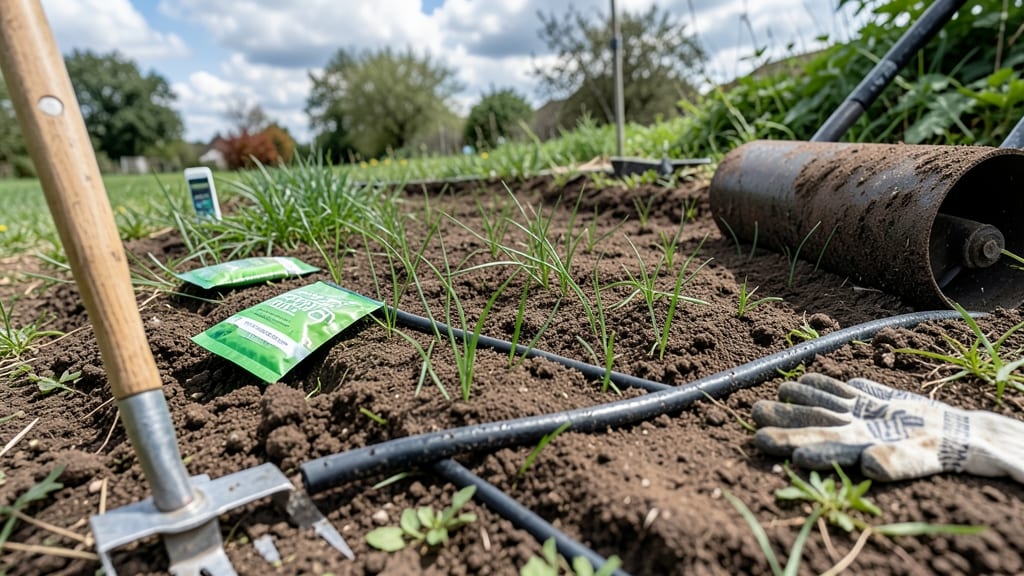
Planting grass seed at the wrong time in Ohio can leave you with a lawn that struggles to take root—even with the best seed.
The key to a thick, resilient lawn lies in understanding when to plant, as soil temperature and seasonal shifts play a bigger role than most gardeners realize.
For Ohio’s 6a climate zone, early fall and spring are your best windows—September to October and March to April—when cooler air and consistent moisture give grass the perfect start.
But timing isn’t just about the calendar; soil temperature must be just right to avoid slow germination or disease. Let’s break down the ideal schedule and what to watch for.
You’ll also discover how to prepare your soil, choose the right grass type for your region, and avoid common mistakes that turn a fresh lawn into a patchy disappointment. Whether you’re seeding a new yard or repairing bare spots, these steps will help you plant with confidence.
Ready to grow a lawn that stays green year after year? The best time to plant grass seed in Ohio isn’t just a season—it’s a strategy. Let’s get started.
Ohio grass seed planting deadlines: spring vs fall timeline for optimal root development
Ohio’s cool-season climate makes fall planting the gold standard for grass seed—when soil temps stay above 50°F but nights cool down. This 6-8 week window before winter lets roots establish deep before dormancy. But spring planting works too, if you act fast before summer heat arrives.
Most Ohio gardeners should aim for September through early October—the sweet spot where rainfall increases and weed competition drops. For spring planting, March to early April is critical, but don’t wait past mid-April or summer drought will stress seedlings.
Northern Ohio’s shorter growing season (USDA Zone 5b) favors earlier fall planting (late August–September), while Southern Ohio (Zone 6b) can stretch to mid-October. Always check soil temps—seed won’t germinate below 50°F.
If you miss fall’s window, early spring is your next chance—but act fast. Seedlings planted after April 15 face summer heat stress and weed takeover. For patch repairs, late summer (August) can work if you use shade-tolerant varieties and keep soil moist.
Ohio’s microclimates matter too. Urban areas (like Columbus) stay warmer, extending fall planting to early November, while rural zones (like Northeast Ohio) may need to plant by mid-October. Check your last frost date—plant 4–6 weeks before for roots to harden off.
Pro tip: Use a soil thermometer ($10 at garden centers) to confirm temps. 50°F is the minimum for germination—colder soil = slower growth. Pair this with consistent watering (1 inch/week) to beat Ohio’s unpredictable rain.
For cool-season grasses (Kentucky bluegrass, fescue), fall is ideal. Warm-season grasses (Bermuda, zoysia) need late spring planting—but these are rare in Ohio’s climate. Stick to cool-season types for year-round green.
Remember: Root depth determines winter survival. Fall-planted grass develops 3–4 inches of roots before dormancy—spring-planted grass rarely matches this. Plan ahead!
5 Critical factors that determine your Ohio grass seed planting schedule
Ohio’s grass seed planting schedule isn’t just about months—it’s about soil temperatures, rainfall patterns, and even the type of grass you choose.
Unlike warmer climates, Ohio’s cool-season grasses (like tall fescue and Kentucky bluegrass) thrive when planted in early fall or spring, but timing can make or break your lawn’s success. Let’s break down the five key factors that dictate the best time to plant in your backyard.
First, soil temperature is the #1 decider. Your grass seed needs soil that’s at least 50°F (10°C) for cool-season varieties—any colder, and germination slows to a crawl. Use a soil thermometer (just $10 at garden centers) to check depths of 2-4 inches, not just air temps.
In Ohio, this usually means late March to early May for spring planting or mid-September to early October for fall. Pro tip: Northern Ohio (USDA Zone 5) runs cooler than Southern Ohio (Zone 6), so adjust your schedule accordingly.
🌱 Ohio Grass Planting Timeline: Critical Factors
Ideal: 50–75°F (10–24°C)
Spring: After last frost (April)
Fall: Before first frost (Oct)
Spring: Moderate rain
Fall: Steady moisture
Avoid: Drought or flooding
Cool-season: Kentucky bluegrass, fescue
Warm-season: Bermuda, zoysia (rare in Ohio)
Check seed packet for best timing
Overseeding: Early fall
New lawn: Spring or fall
Test soil pH (6.0–7.0 ideal)
North Ohio: Plant 2 weeks later
South Ohio: Follow general timeline
Check Ohio State Extension maps
Next, rainfall patterns play a huge role. Ohio’s spring showers are perfect for germination, but summer droughts can dry out new seedlings faster than you can water. Aim for 1 inch of rain per week (or supplement with irrigation).
Fall planting often wins because cooler temps reduce evaporation, and autumn rains provide natural hydration. If you’re planting in late summer, be prepared to water daily until germination occurs.
Your grass seed type also changes the game. Ohio’s cool-season grasses (like tall fescue or Kentucky bluegrass) dominate because they handle our hot summers and cold winters. These thrive when planted in early fall or spring.
Warm-season grasses (like bermuda) are rare in Ohio but need soil temps above 65°F (18°C), which typically means late May to July. Always check the seed packet for specific timing—some blends are designed for overseeding in fall, while others are for full sun spring planting.
Don’t overlook existing lawn conditions. If you’re overseeding an existing lawn, early fall is ideal because the grass is still active but not stressed by heat. For a brand-new lawn, both spring and fall work, but spring gives you a full growing season before winter.
Before planting, test your soil pH—Ohio’s clay-heavy soils often need lime (to raise pH) or sulfur (to lower pH). Aim for a pH of 6.0–7.0 for most grasses.
Finally, Ohio’s microclimates can shift your schedule by weeks. Northern Ohio (think Toledo or Cleveland) has cooler, shorter growing seasons, so plant 2 weeks later than central or southern regions. Use the Ohio State University Extension’s planting calendar (available online) to pinpoint your exact last frost date and adjust. For example, Columbus might target mid-September for fall planting, while Cincinnati could go until early October. Always have a backup plan—like a seed starter kit—