
Plants
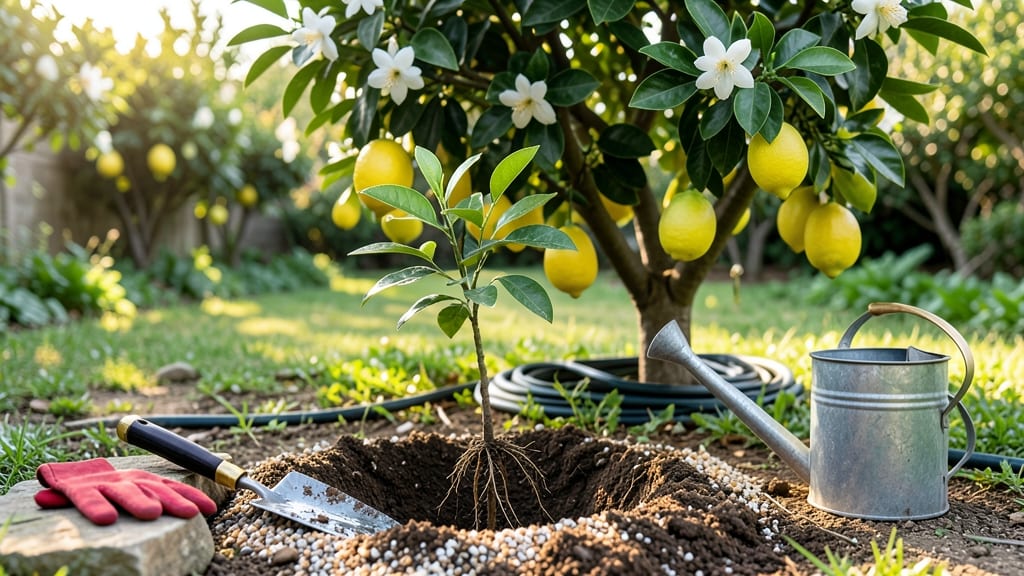
Planting a 🍋 lemon tree in California at the wrong time can mean the difference between a thriving citrus grove and a sad, frost-bitten sapling.
The best time to plant depends on your exact microclimate—coastal areas like San Francisco can handle it year-round, while inland valleys like Fresno need to wait until after the last frost in late winter or early spring.
Why does timing matter so much? Lemon trees are sensitive to cold snaps, and even a light freeze can stunt growth or kill young roots. In USDA Zones 8-11, your planting window shifts from January to April for coastal regions to March to May inland, where frost lingers longer.
I’ve seen gardeners rush planting too early, only to watch their trees struggle with heat stress or poor root establishment. The key is planting when soil temperatures stay above 60°F—that’s your green light for success.
Let me walk you through the exact deadlines for your region and how to prep your tree for a smooth start.
Once you’ve got the timing right, the next steps—like soil prep, watering, and protecting young trees—will set your 🍋 lemon tree up for years of harvests. Ready to get started? Let’s break it down by zone so you never miss another planting window again.
California lemon tree planting zones: frost-free deadlines by region
California’s diverse climate means the best time to plant a lemon tree varies wildly—from year-round in coastal zones to late winter in inland valleys. The golden rule? Plant after your last frost date to avoid frost damage to tender roots.
In USDA Zones 9b-11 (coastal areas like San Diego or Santa Barbara), you can plant almost anytime, but late winter (February-March) gives your tree a head start for spring blooms.
For Zone 8a-9a (Central Valley or Sacramento), aim for March-April—any earlier risks late-winter frosts (common until mid-February). Desert regions like Palm Springs (Zone 10b-11) have no frost, but summer heat (above 95°F) stresses young trees, so fall planting (September-October) is ideal to establish roots before winter rains.
🌱
| Region | USDA Zone | Last Frost Date | Best Planting Window | Key Risk |
|---|---|---|---|---|
| North Coast (San Francisco, Santa Rosa) | 9a-9b | February 15 | March-May or September-November | Coastal fog stress |
| Central Valley (Sacramento, Fresno) | 8a-9a | January 15 | April-May | Late frost |
| Southern California (LA, San Diego) | 9b-11 | None | Year-round (best Feb-Mar) | Urban heat stress |
| Desert (Palm Springs, Joshua Tree) | 10b-11 | None | September-October | Summer heat shock |
Urban areas like Los Angeles or San Diego create heat islands where soil can hit 120°F in summer. If you’re planting in these zones, avoid midday heat—opt for early morning or late afternoon to reduce transplant shock.
Coastal cities like San Francisco have cooler summers but foggy winters, which can delay root establishment if planted too late.
For container-grown lemon trees, timing matters less, but still follow seasonal cues. In Zone 9b-11, you can plant anytime, but late winter (February-March) aligns with natural growth cycles. In cooler zones (8a-9a), wait until soil temps reach 60°F—use a soil thermometer to check.
Pro tip: Mulch heavily (3-4 inches of wood chips) after planting to retain moisture and protect roots from temperature swings. In desert zones, use gravel mulch to prevent overheating.
🌿
If you’re in a transition zone (e.g., Santa Barbara where coastal breezes meet inland heat), err on the side of planting 2-3 weeks later than the recommended window. These areas experience microcl
How to adjust planting time for Urban heat islands and coastal breezes
California’s diverse microclimates mean your lemon tree’s planting window can shift dramatically—even just 20 miles inland. In coastal cities like San Francisco, ocean breezes keep temps mild year-round, while urban heat islands in LA can bake young trees if planted too early.
The key? Adjusting for soil temperature, wind exposure, and heat stress risks.
If you’re in a coastal zone (USDA 9b-11), you can plant year-round, but aim for late winter (February-March) to align with natural rainfall and avoid summer heat spikes.
Inland areas (like Sacramento or Fresno) should wait until after the last frost, typically March-April, when soil warms to 60°F+.
Urban gardeners in heat islands (e.g., downtown LA) face extra challenges: pavement radiates heat, drying out roots. To extend your planting window, use 3-4 inches of mulch (straw or wood chips) to insulate soil and retain moisture.
For coastal wind exposure, stake young trees or plant near a windbreak like a bamboo fence to prevent root damage.
Here’s how to tweak your timeline based on your location:
- 🔥 Urban Areas (LA, Sacramento): Delay planting until April-May to avoid 90°F+ soil. Use shade cloth (30%) for the first 2 months.
- 🌊 Coastal Cities (SF, San Diego): Plant in February-March for cooler soil. Monitor for salt spray damage near the ocean.
- 🏞️ Desert Zones (Palm Springs): Plant in November-December to avoid summer heat. Use drip irrigation immediately.
- 🌬️ Windy Areas (Santa Cruz): Wait until spring winds calm (April) or use windbreaks to protect young trees.
- 🏙️ Urban vs. Rural: Rural areas can plant 2-4 weeks earlier than cities due to cooler nighttime temps.
Pro tip: Check soil temperature with a soil thermometer—aim for 60°F+ at 6 inches deep. If it’s cooler, wait. If it’s hotter than 85°F, delay planting until temps drop. Mulch and drip irrigation are your best tools to fine-tune the planting window for your exact conditions.
Once you’ve nailed the timing, focus on watering deeply (15-20 gallons per tree) and avoiding overhead sprinklers to prevent fungal diseases. With these adjustments, your lemon tree will establish roots faster and start bearing fruit 1-2 years sooner than if planted at the wrong time.
💧