
Plants
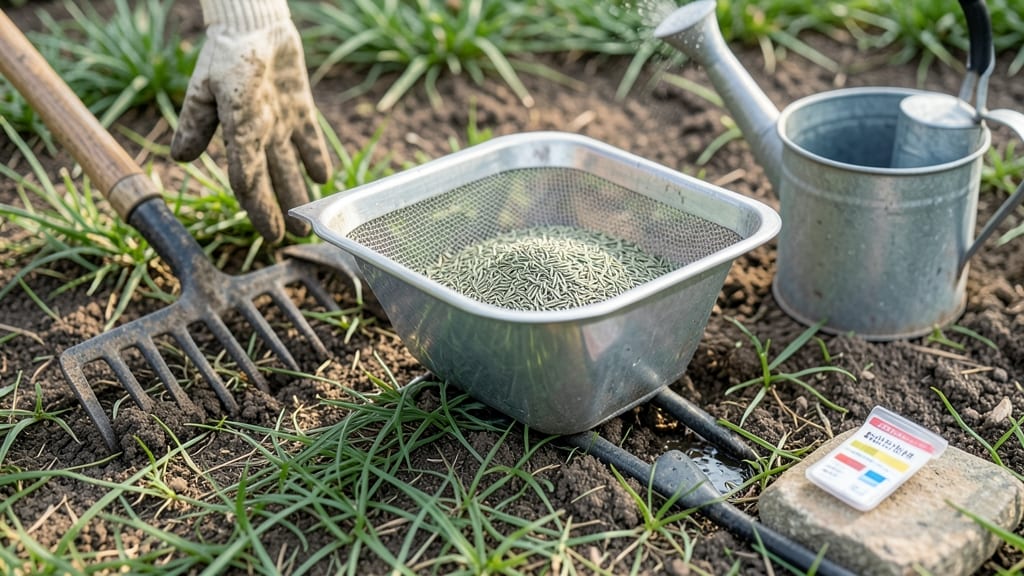
Planting grass seed in Utah isn’t just about picking a random weekend—it’s about timing it perfectly to beat the unpredictable frost that can turn your green dreams into a brown disappointment.
With elevation shifts from 4,000 to 10,000 feet, your neighbor’s ideal window might leave your lawn vulnerable to late freezes or scorching summer heat.
I’ve spent years watching grass seed struggles in Utah’s high desert and mountain regions, and the key to success isn’t just waiting for spring—it’s knowing your local frost-free deadlines.
Whether you’re in USDA Zone 5 or 7, planting too early risks frost damage, while waiting too long can leave your lawn vulnerable to weeds or drought.
In this guide, I’ll break down the exact windows for cool-season and warm-season grasses, plus how to prep your soil for zero-frost success. You’ll learn when to plant, how to extend your window with smart hacks, and why March-April and September-October are your best bets for lush, long-lasting results.
Skip the guesswork and get the timing right—your lawn will thank you with thick, vibrant grass that survives Utah’s wild swings. Let’s dive into the best strategies for your elevation and climate.
Utah’s altitude zones & their ideal grass-seeding deadlines (with frost-free guarantees)
Utah’s elevation extremes create wildly different planting windows—what works in Salt Lake City (4,200 ft) can fail in Park City (7,000 ft). The key? Planting when your local soil temperature hits 50–65°F and the frost-free window guarantees at least 60 days of growth before winter.
Let’s break it down by zone.
Use the USDA Plant Hardiness Zone Map (Zones 5–7 in Utah) as a starting point, but elevation adjustments are critical. For example, St. George (Zone 9) can plant year-round, while Ogden (Zone 6) faces late-spring frosts until May 10 on average. Here’s your altitude-specific timeline:
| Elevation Range | USDA Zone | Last Frost Date | Ideal Planting Window | Soil Temp Trigger |
|---|---|---|---|---|
| 4,000–5,000 ft (e.g., St. George, Cedar City) | Zone 8–9 | March 1–April 15 | February–April or September–October | 55–65°F |
| 5,000–7,000 ft (e.g., Salt Lake City, Provo) | Zone 6–7 | April 15–May 1 | April–May or September | 50–60°F |
| 7,000–9,000 ft (e.g., Park City, Ogden) | Zone 5–6 | May 10–June 1 | Late May–June or August | 45–55°F |
| 9,000–10,000+ ft (e.g., Alta, Snowbasin) | Zone 4–5 | June 15–July 1 | June–July (fall planting risky) | 40–50°F |
🌱 Pro Tip: Check your local National Weather Service station for 3-year frost averages—Utah’s microclimates can shift dates by 2+ weeks!
For cool-season grasses (like Kentucky bluegrass or fescue), aim for early spring when soil warms but frost risk drops below 10%. Warm-season grasses (e.g., Bermuda) thrive when daytime temps hit 70°F+, typically late spring in southern Utah or summer at higher elevations.
Utah’s high desert climate means dry winds can dry out seed faster. After sowing, cover seeds lightly with straw mulch (¼ inch) to retain moisture and protect from late frosts. Water lightly daily until germination (usually 7–21 days, depending on variety).
If you’re seeding in September or October, prioritize fall varieties like tall fescue, which establish deep roots before winter. Avoid late October plantings—even Zone 7 areas can see early snow by November 1. Use a soil thermometer ($10 at garden centers) to confirm 50°F+ before planting.
For mountain regions (7,000+ ft), extend your window by 1–2 weeks using row covers or cold-hardy seed mixes (e.g., creeping red fescue). These varieties tolerate 32°F for short periods, giving you a 14-day buffer against late frosts.
Just remove covers immediately if temps rise above 60°F to avoid heat stress.
Remember: Utah’s frost-free period shrinks with elevation. At 10,000 ft, you’ve got only 60–80 days of growing season—so choose fast-germinating seeds (like annual ryegrass) if you’re pushing the limits. For low-elevation areas, fall planting (September) often yields thicker grass because cooler temps reduce weed competition.
🌡️ Critical: Utah’s diurnal temperature swings (hot days, cold nights) can confuse seedlings. If nights dip below 40°F after planting, use f
Utah’s altitude zones & their ideal grass-seeding deadlines (with frost-free guarantees)
Utah’s elevation ranges from 4,000 feet in the valleys to over 10,000 feet in the mountains, creating wildly different frost patterns.
At lower elevations like Salt Lake City (4,200 ft), the last frost typically hits around April 15, while higher elevations like Park City (6,800 ft) can see frost until May 15. These differences mean your seeding window shifts dramatically depending on where you live.
For cool-season grasses (like Kentucky bluegrass or fescue), the ideal time is March through April—when soil temperatures hit 50–65°F. Warm-season grasses (like Bermuda or zoysia) should go in late May to June when nights stay above 60°F.
Missing these windows risks frost damage or heat stress, both of which can kill young seedlings.
Here’s how to calculate your local frost-free period: Check the USDA Plant Hardiness Zone Map for your exact elevation, then add 2–4 weeks after the last frost date.
For example, in USDA Zone 6 (e.g., Provo), aim for March 20–April 30, while Zone 7 (e.g., St. George) can start as early as February 15.
| Elevation Range | USDA Zone | Last Frost Date | Ideal Planting Window | Soil Temp Trigger |
|---|---|---|---|---|
| 4,000–5,000 ft | Zone 6 | April 15 | March 20–April 30 | 50–65°F |
| 5,000–7,000 ft | Zone 5–6 | May 1 | April 1–May 15 | 50–65°F |
| 7,000–9,000 ft | Zone 5 | May 15 | April 15–May 30 | 50–60°F |
| 9,000–10,000+ ft | Zone 4–5 | June 1 | May 1–June 15 | 45–55°F |
Pro tip: Use a soil thermometer to confirm temperatures before planting. If your soil is below 50°F, wait—cool soils slow germination and invite fungal diseases. For high-altitude areas, consider cold-hardy varieties like tall fescue, which tolerates Utah’s chilly springs better than Kentucky bluegrass.
Timing isn’t just about frost—it’s also about moisture. Utah’s spring can swing from dry to sudden downpours, so aim for a window with consistent rainfall or plan to irrigate daily for the first 2 weeks.
If you’re in a low-precipitation zone (like southern Utah), prioritize early spring planting to avoid summer drought stress.
Remember: Fall planting (September–October) is your backup window. Cooler temps and lower weed competition make it ideal for cool-season grasses. Just avoid seeding too late—if first frost hits before roots establish (4–6 weeks), your grass won’t survive winter.