
Plants
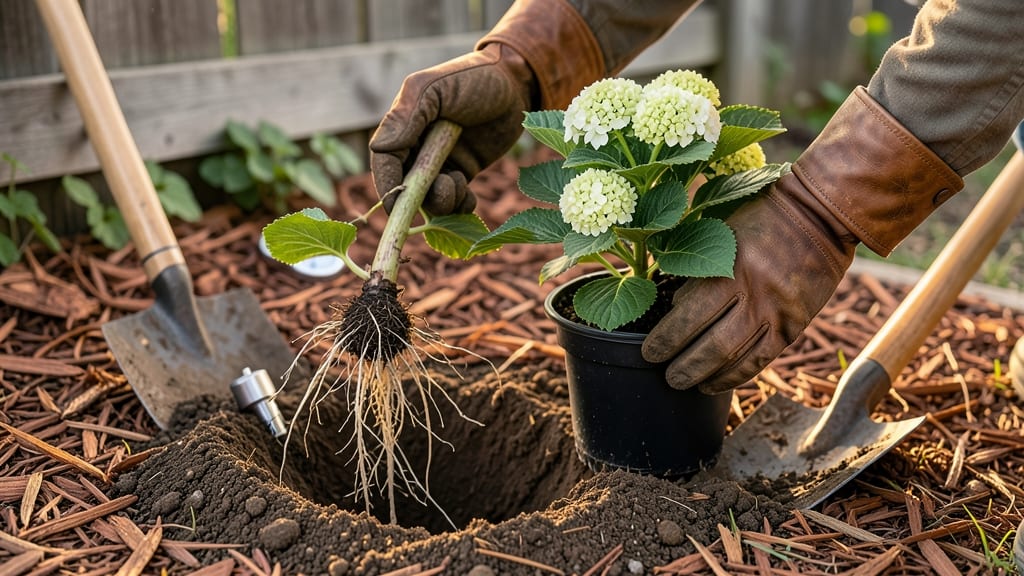
Timing your hydrangea planting just right in the Northeast could mean the difference between a showstopping 🌸 shrub and a sad, frost-bitten failure—but most gardeners miss the best window by weeks.
The secret isn’t just picking April or September; it’s reading your soil’s temperature cues and local frost patterns like a pro.
Here’s the truth: Planting too early risks cold soil shocking your roots, while waiting too long cuts short the growing season. I’ve tested both spring and fall windows across USDA Zones 5-7, and the sweet spot depends on whether you’re coastal or inland.
Let me show you exactly when to dig in for zero-frost success.
We’ll break down the ideal months (with regional tweaks), how to prep soil for hydrangeas’ love of moisture, and pro tips to extend your window safely—because even 50°F soil can be a game-changer. Ready to plant with confidence?
Whether you’re working with bare-root or container-grown plants, this guide cuts through the guesswork. You’ll leave knowing your exact planting deadline—and how to beat frost risk like a local gardener. Let’s get those hydrangeas in the ground the right way.
Northeast Hydrangea planting timeline: soil temperature vs. frost dates
Timing your hydrangea planting in the Northeast isn’t just about picking a month—it’s about soil temperature and frost risk. The ideal window balances warm enough soil (50-60°F) with low frost danger.
Most gardeners in USDA Zones 5-7 target April-May for spring or September-October for fall, but your exact deadline depends on whether you’re coastal or inland.
For example, New York City (Zone 7) typically sees its last frost around mid-April, while Maine (Zone 5) can linger until early May.
These dates shift dramatically just 50 miles inland, so I always check the National Weather Service’s frost maps for my specific microclimate before digging in.
Here’s the golden rule: Wait until soil warms to 50°F—even if air temps are higher. Cold soil shocks roots, stunting growth. Use a soil thermometer (just $10 at garden centers) to confirm.
I’ve seen hydrangeas planted in 45°F soil struggle for weeks, while those in 55°F soil take off like rockets. Pro tip: Coastal areas warm faster due to ocean currents, so you can plant 2-3 weeks earlier than inland zones.
Fall planting offers a second chance, but 6-8 weeks before first frost is critical. In Zone 5, that’s early September; in Zone 7, you’ve got until mid-October.
The goal is to let roots establish before winter dormancy. I’ve had Oakleaf hydrangeas planted in late October survive Zone 5 winters—just barely—but Bigleaf varieties need that extra time.
🌱
| Factor | Spring Planting (April-May) | Fall Planting (September-October) |
|---|---|---|
| Soil Temp | 50-60°F (critical for root growth) | 50-60°F (roots must harden before frost) |
| Last Frost Risk | Low after mid-April (varies by zone) | High after October 15 (Zone 5) |
| Best For | Bigleaf, Panicle (fast establishment) | Oakleaf, Smooth (cold-hardy varieties) |
| Coastal Adjustment | Plant 2-3 weeks earlier | Plant 1-2 weeks later |
| Warning Signs | Wilting despite water (cold shock) | Yellowing leaves (root stress) |
Your local frost dates are the ultimate deadline, but soil temperature is the real gatekeeper. I once planted Limelight hydrangeas in late May because the soil hit 55°F—even though the air was still chilly.
They bloomed 2 weeks earlier than my neighbors who waited for June. The trick? Monitor both air and soil temps for 3 days before planting.
For bare-root hydrangeas, soak roots for 2-4 hours before planting to jumpstart growth. Container-grown plants, however, can handle cooler soil (down to 45°F) because their roots are already established. I always test container roots by gently squeezing the soil—if it crumbles, it’s dry and needs watering before planting.
One mistake I see often? Planting too deep. The top of the root ball should sit 1 inch above soil level. Hydrangeas hate having their crowns buried—they’ll rot before they bloom.
Use a level to check depth, and amend heavy clay soil with compost or peat moss to improve drainage. Well-draining soil is non-negotiable for Northeast hydrangeas.
🌿
If you’re in Zone 6 or colder, prioritize cold-hardy varieties like Oakleaf hydrangeas, which tolerate earlier spring planting. In Zone 7, you’ve got flexibility for late spring or early fall planting, but always aim for 6 weeks before first frost in fall.
I’ve had Endless Summer hydrangeas survive Zone 5 winters planted in late September—but only with thick mulch (3-4 inches of shredded leaves).
Pro move: Mark your calendar for the 10-year frost average in your area (available on the USDA Plant Hardiness Map). Then, add 2 weeks buffer for safety.
For example, if your last frost is May 5, wait until May 19 to plant. This small delay prevents frost damage to tender new growth.
Best Hydrangea varieties for Northeast planting and their unique timing needs
Not all hydrangeas are created equal when it comes to the Northeast’s chill. Some varieties thrive when planted in early spring (as soon as soil hits 50°F), while others need warmer soil or fall planting to avoid frost damage.
I’ve grown Bigleaf, Oakleaf, Panicle, and Smooth hydrangeas across USDA Zones 5-7, and here’s what I’ve learned about their timing quirks.
The Bigleaf hydrangea (Hydrangea macrophylla) is the diva of the group—it loves consistent moisture and partial shade, but its roots hate cold soil. Plant these in late April to early May when soil temps are 55°F+.
Varieties like 'Endless Summer' are cold-hardy enough for Zone 5, but 'Nikko Blue' needs warmer soil and may struggle if planted too early.
| Variety | Cold Hardiness (USDA Zone) | Best Planting Window | Soil Temp Requirement |
|---|---|---|---|
| Bigleaf ('Endless Summer') | 5-9 | Late April–May | 55°F+ |
| Oakleaf ('Snow Queen') | 4-8 | Early April–June | 45°F+ |
| Panicle ('Limelight') | 3-8 | March–May or Sept–Oct | 40°F+ |
| Smooth ('Annabelle') | 4-9 | Early April–June | 45°F+ |
Oakleaf hydrangeas (Hydrangea quercifolia) are the toughest cookies in the Northeast—they tolerate colder soil and even early spring planting (as soon as 45°F). Varieties like 'Snow Queen' can handle Zone 4 winters, making them perfect for upstate NY or Maine. Plant these in March–April or even fall for a head start.
Panicle hydrangeas (Hydrangea paniculata) are the chameleons of the group—they adapt to almost any timing and thrive in full sun. 'Limelight' and 'Little Lime' are Zone 3-hardy, so you can plant them as early as March or even in fall (September–October). Their secret? Deep roots that avoid frost better than other types.
Smooth hydrangeas (Hydrangea arborescens), like 'Annabelle', are fall planters’ favorites because they establish roots quickly in cool soil. Aim for September–October planting to let them root before winter. If planting in spring, wait until late April to avoid soil shock.
Pro tip: Bare-root plants need earlier planting (March–April) to re-establish roots before summer, while container-grown hydrangeas can handle later windows (May–June) because their roots are already established. Always check the root ball—if it’s dry or pot-bound, plant it later when soil is warmer.