
Trees
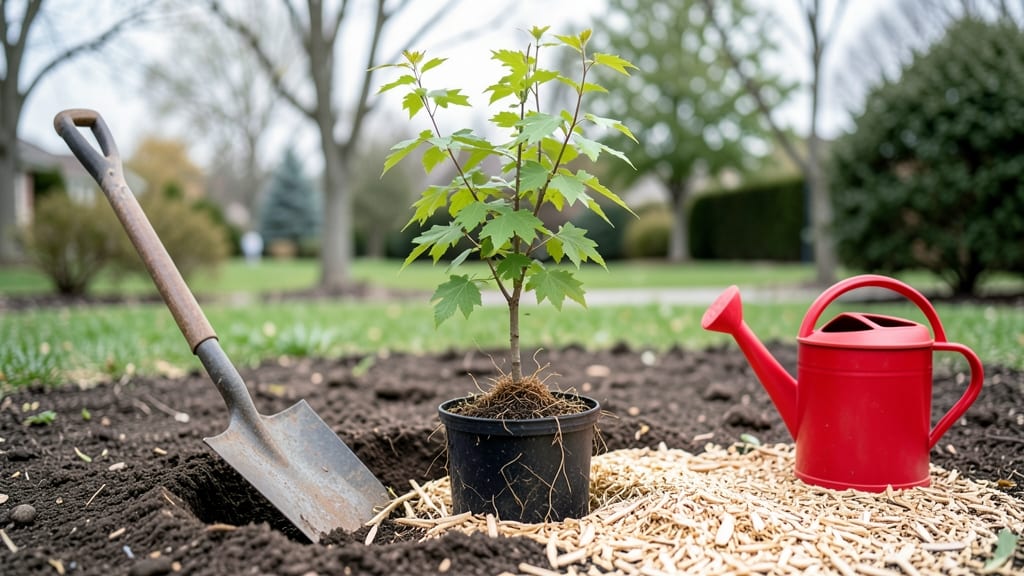
Planting a tree in Wisconsin at the wrong time can mean struggling roots, poor growth, or even death—but timing it perfectly guarantees a thriving 🌳 for decades. The best window to plant trees in Wisconsin isn’t just about the calendar—it’s about soil temperature, frost dates, and your hardiness zone.
Spring planting (late April to early June) gives young roots time to establish before summer heat, while fall planting (September to early October) lets them settle in before winter dormancy. In 4a-6b zones, these windows make all the difference between a tree that thrives and one that barely survives.
I’ll break down the exact months for your zone, whether you’re planting bare-root or container-grown trees, and how to prep soil for maximum root growth. No more guesswork—just proven strategies to set your tree up for success from day one.
Ready to plant with confidence? Let’s dive into the most important factors that separate a good planting season from a great one.
Wisconsin’s ideal tree planting months by hardiness zone (with exact dates)
Wisconsin spans USDA hardiness zones 3a to 6b, meaning the best planting times vary dramatically from north to south. In northern Wisconsin (zones 3a–4a), cold snaps linger later, while southern Wisconsin (zones 5a–6b) enjoys longer frost-free windows.
The golden window for planting is when soil temperatures stay above 40°F (4°C)—typically late April to early June for spring or September to early October for fall.
Spring planting lets trees establish roots before summer heat, while fall planting gives them a 6–8 week head start before winter dormancy. Bare-root trees (like oaks or maples) can even go in as early as March if soil is workable, but container-grown trees should wait until roots aren’t circling the pot.
Avoid planting in summer heat (June–August) or winter frost (December–February)—both stress young roots.
Here’s the breakdown by zone, including critical soil temperature thresholds and regional frost dates to guide your timing:
| USDA Zone | Spring Planting Window | Fall Planting Window | Soil Temp Threshold | Last Frost Date |
|---|---|---|---|---|
| 3a–4a (North: Superior, Rhinelander) | Late May – Early June | September 1–15 | 45°F (7°C) | May 20–June 5 |
| 4b–5a (Central: Madison, Milwaukee) | Late April – Early May | September 15–October 1 | 40°F (4°C) | April 25–May 10 |
| 5b–6a (South: Janesville, Prairie du Chien) | Early April – Late April | October 1–15 | 38°F (3°C) | April 10–20 |
| 6b (Extreme South: Maquoketa) | March 20 – April 10 | October 15–30 | 35°F (2°C) | March 25–April 5 |
*Dates are approximate; check local National Weather Service forecasts for precision.
For bare-root trees, planting in early spring (March–April) or late fall (November) works, but roots must be kept moist until planting. Container-grown trees, however, thrive when planted in spring—their roots are less cold-hardy and can rot if planted too early.
Pro tip: Amend clay-heavy Wisconsin soil with compost to improve drainage, especially in zones 4a–5a where waterlogging is common.
In northern Wisconsin, prioritize fall planting—cooler temps reduce transplant shock, and trees focus on root growth before winter. In southern Wisconsin, spring planting is ideal to avoid early frosts.
Always water deeply after planting (15–20 gallons for young trees) and mulch with 2–3 inches of wood chips to retain moisture and regulate soil temperature.
One common mistake? Planting too late in fall (after October 15) leaves trees vulnerable to winter desiccation. Conversely, planting too early in spring (before soil warms) can stunt root growth.
Use a soil thermometer to confirm temperatures meet your zone’s threshold—this simple tool can save your tree from failure.
Wisconsin’s variable climate means microclimates matter. A south-facing slope in zone 5a may warm up faster than a north-facing yard in the same zone.
Adjust your planting window by 1–2 weeks earlier for slopes or sunny spots, and 1–2 weeks later for shaded or low-lying areas prone to cold air pooling.
Finally, tree species play a role. Fast-growing trees like silver maple or green ash tolerate a wider planting window, while slow-growing oaks need precise timing. Always check the species’ hardiness zone—some, like bur oak, thrive in zone 3a, while southern magnolia is limited to zone 6b.
Timing your tree planting right in Wisconsin isn’t just about months—it’s about soil temps, frost dates, and species needs. With this guide, you’ll give your tree the best shot at decades of strong growth and a lush canopy. Happy planting! 🌳
Wisconsin’s ideal tree planting months by hardiness zone (with exact dates)
Wisconsin spans USDA hardiness zones 3b to 5b, meaning your planting window depends on whether you’re in northern zone 4a or southern zone 5b. The best times are late spring (after last frost) and early fall (before first frost), but exact dates shift by 10-14 days between regions.
For northern Wisconsin (zones 3b-4a), aim for May 1–June 15 in spring or September 1–October 5 in fall. Southern areas (zones 4b-5b) can plant April 15–May 30 in spring or September 15–October 15. These windows align with soil temperatures of 50°F+, ideal for root growth.
🌱
| Zone | Spring Window | Fall Window | Soil Temp | Key Tip |
|---|---|---|---|---|
| 3b-4a (North) | May 1–June 15 | September 1–October 5 | 50°F+ | Use mulch to protect roots |
| 4b (Central) | April 20–May 25 | September 10–October 10 | 55°F+ | Water deeply after planting |
| 5a-5b (South) | April 15–May 30 | September 15–October 15 | 60°F+ | Avoid summer planting |
Bare-root trees have different timing—plant them in early spring (March–April) before buds swell or in late fall (November) after leaves drop. Container-grown trees, however, can go in throughout the growing season, but late spring is still ideal for fastest establishment.
In zone 4a, where frosts linger longer, I recommend waiting until after May 15 for spring planting. The risk of late frosts damaging tender new growth is too high earlier. For zone 5b, you can start as early as April 15, but monitor local frost forecasts.
Pro tip: Use a soil thermometer to confirm temperatures—roots need consistent warmth to grow, not just warm air. Aim for 50°F+ at 6 inches deep for best results.
☀️