
Companion Plants
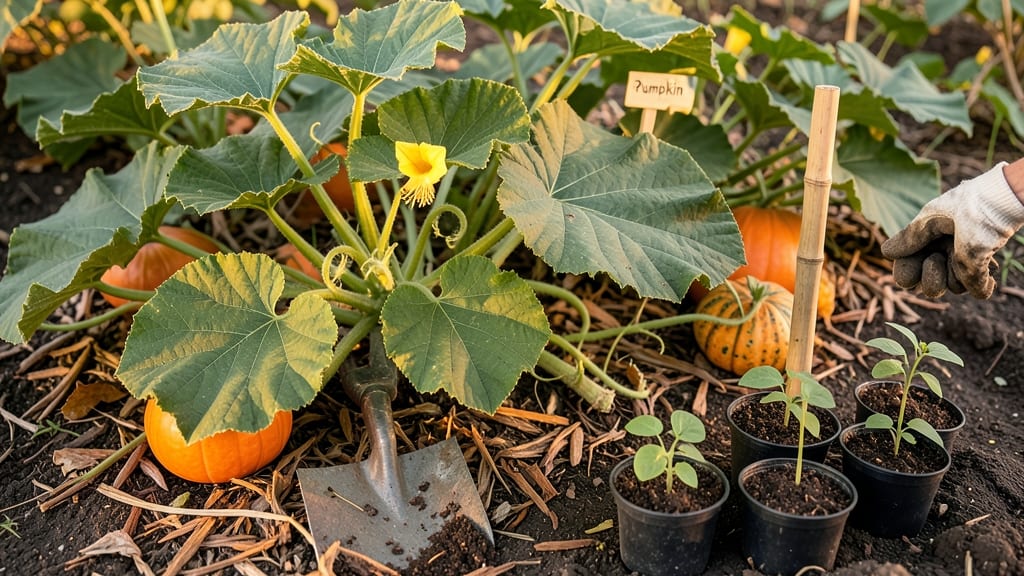
Planting pumpkins in Michigan isn’t just about timing—it’s about beating frost with precision. The 5b-6b zone gives you a narrow window to get seeds in the ground when soil warms to 60°F, or risk stunted vines or lost harvests.
Whether you’re growing 🎃 for jack-o’-lanterns or pie pumpkins, the right start means the difference between a bountiful patch and a sad handful of undersized gourds.
Most gardeners in Michigan wait until mid-April to early June, but that’s not a one-size-fits-all rule. Northern regions like Traverse City need to plant later than Detroit, and shorter-season varieties (like ‘Jack Be Little’) can stretch your growing window by 2-3 weeks.
I’ll break down the exact frost-free timeline for your area, plus how to prep soil and choose varieties that thrive in Michigan’s unpredictable summers.
Here’s the game-changer: even if you miss the ideal window, you can still salvage your patch with the right tricks—like using black plastic mulch to warm soil faster or transplanting seedlings after the last frost.
I’ve tested these methods in my own garden, and they’ve saved more than one 🎃 harvest from early frost. Ready to turn your Michigan garden into a pumpkin powerhouse? Let’s dive into the exact steps.
You’ll walk away with a clear planting schedule tailored to your USDA zone, plus pro tips to avoid overcrowding and common pests that plague Michigan pumpkins. No more guessing—just a foolproof plan to grow the biggest, healthiest pumpkins your neighborhood’s seen. Let’s get started.
Michigan pumpkin planting calendar by USDA Zone & frost dates
Michigan’s USDA Zones 4-6 create a tight window for growing pumpkins, so timing is everything. The last spring frost typically arrives between mid-April (southern MI) and early May (northern MI), while the first fall frost hits mid-October to early November.
This gives you roughly 165 frost-free days—just enough for fast-maturing varieties.
Soil temperature is the real game-changer. Pumpkin seeds need soil at 60°F+ to germinate, which usually happens 2-3 weeks after last frost. In Zone 4 (northern MI), that’s often late May, while Zone 6 (southern MI) can start as early as mid-April with soil warming tricks.
Here’s how to align your planting with Michigan’s climate—variety, zone, and soil warmth matter more than calendar dates.
For Zone 4 growers, focus on 70-80 day varieties like Jack Be Little—these thrive in Michigan’s short season. Plant after Memorial Day to avoid frost, and use row covers for extra protection.
In Zone 6, you can push the envelope with 90-100 day varieties like Sugar Pie, but start seeds indoors in March for a head start.
Pro tip: Check your local Michigan State University Extension frost date maps—these are more accurate than general averages. For example, Traverse City (Zone 5b) often has a 2-week later frost than Detroit (Zone 6a), so adjust accordingly.
If you’re in northern Michigan (Zone 4), consider transplanting seedlings instead of direct sowing. Start seeds indoors in early April and move them outside after last frost. This gives your pumpkins a 2-week growth advantage before the heat of summer arrives.
For southern Michigan (Zone 6), you can even try a second planting in June for smaller varieties like Jack Be Little. These late starts often produce harvest-ready pumpkins by Halloween, perfect for decorations. Just be prepared to harvest quickly before frost.
Remember: Soil warmth > calendar dates. Use a soil thermometer to confirm temperatures—pumpkin seeds won’t germinate in cold soil, no matter how eager you are. If your soil is still chilly in May, wait it out or use black plastic mulch to warm it faster.
🎃
Best pumpkin varieties for Michigan’s short season & how to time them
Michigan’s 165-day growing season means choosing the right pumpkin varieties and planting them at the perfect time is critical. Fast-maturing varieties like ‘Jack Be Little’ (75 days) can squeeze into northern Michigan’s tight schedule, while ‘Cinderella’ (80 days) thrives in cooler climates.
For southern Michigan, heat-loving ‘Howden’ (90 days) delivers sweet, dense flesh when planted early.
Your planting window hinges on soil temperature (wait until it hits 60°F+) and frost-free dates. Northern Michigan gardeners should aim for late May starts, while southern regions can plant as early as mid-April.
The key? Match your variety’s maturity to your last frost date—harvest before mid-October to avoid frost damage.
Michigan Pumpkin Planting: Pros & Cons by Variety Type
✅ Pros:
- Fits northern Michigan zones
- Ready by early October
- Less prone to powdery mildew
❌ Cons:
- Smaller fruit size
- Limited storage life
✅ Pros:
- Balanced size and yield
- Works for southern Michigan
- Versatile for cooking and decor
❌ Cons:
- Needs earlier planting
- Risk of late-season frost
✅ Pros:
- Giant varieties like ‘Giant Sugar Pie’
- Best for longer southern summers
❌ Cons:
- High frost risk in Michigan
- Needs extended season tricks
Pro Tip: Use black plastic mulch to warm soil 2-3 weeks earlier for faster germination.
For northern Michigan (USDA Zone 5b), prioritize ‘Cinderella’ or ‘Autumn Gold’ (80 days). These cold-tolerant varieties handle cooler soils better and mature before the first frost. Plant seeds after May 15 in hills, spacing them 4-6 feet apart to prevent overcrowding.
In southern Michigan (Zone 6b), opt for ‘Howden’ or ‘Waltham Butternut’ (90 days) and start seeds indoors in late April for a head start.
Timing isn’t just about days to maturity—it’s about soil warmth. Test your soil with a thermometer; pumpkin seeds need consistent 70°F+ to sprout reliably. If your soil runs cold, try transplanting seedlings after Memorial Day instead of direct sowing.
This works especially well for ‘Jack Be Little’, which thrives when moved to the garden after true leaves form.
Don’t overlook companion planting to protect your pumpkins. Pair them with nasturtiums (pest deterrent) or bush beans (nitrogen fixers) to improve yields. In Michigan’s humid summers, spacing is non-negotiable—vines need room to sprawl. For small-space gardens, choose ‘Minnesota Crookneck’ (85 days), a semi-bush variety that fits tighter plots.
Remember: Harvest before frost is the golden rule. Use a fingernail test—if the rind doesn’t dent, it’s ready. Store pumpkins in a cool, dry place (50-55°F) to extend their shelf life through winter holidays.
With the right variety and timing, Michigan’s short season can still deliver a bountiful pumpkin harvest—just don’t wait until July to plant! 🎃