
Companion Plants
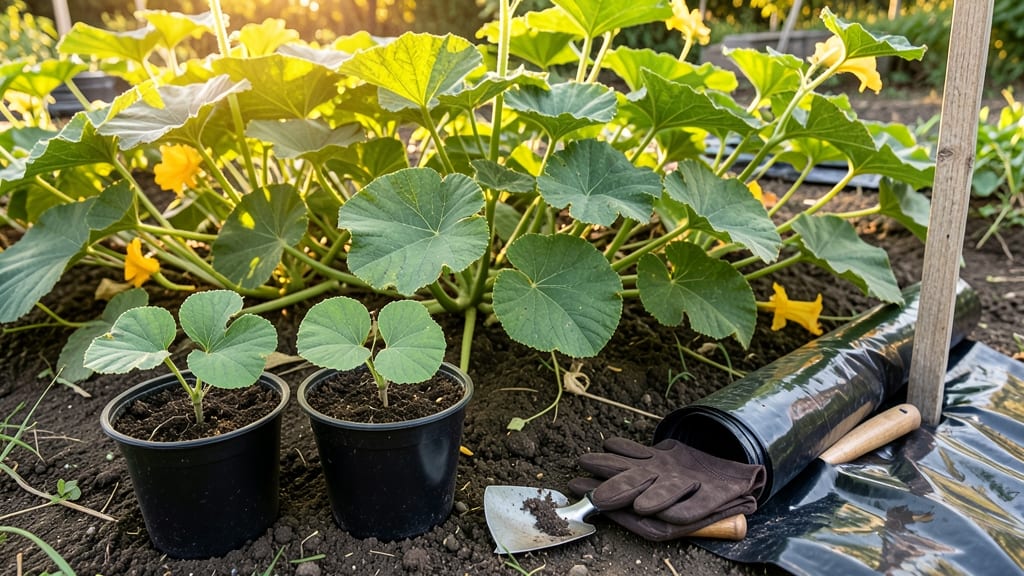
Planting pumpkins in Ohio at the wrong time can mean the difference between a bountiful harvest of 🎃 and a sad, withered vine—especially when your last frost lingers past April 15 or early freezes sneak in by October 15.
The key to success isn’t just waiting for warm soil (aim for 70°F or higher), but also matching your variety to Ohio’s 6a zone and unpredictable weather.
If you’ve ever watched your pumpkin seeds sprout only to see them die back in a late frost, you know how frustrating timing can be. The good news?
With the right planting window—typically between late May and early June—you can avoid common mistakes and set your vines up for a 90- to 120-day growing season before the first frost.
I’ve tested everything from fast-maturing ‘Jack Be Little’ varieties to long-season giants, and the results speak for themselves.
Whether you’re growing pumpkins for carving or cooking, knowing when to plant in Ohio isn’t just about the calendar—it’s about soil temperature, regional microclimates, and even whether you’re sowing seeds directly or transplanting seedlings.
Let’s break down the exact steps to time your planting perfectly, from soil prep to variety selection, so you can enjoy homegrown pumpkins straight from your garden—without the guesswork.
Ohio pumpkin planting deadlines by last frost date (2024 guide)
Ohio’s USDA Zone 6a gives you roughly 165 frost-free days—just enough to grow pumpkins if you time it right.
The last average frost date is April 15, but northern Ohio (e.g., Cleveland) can see frost as late as May 10, while southern Ohio (e.g., Cincinnati) often warms up by early April.
To avoid frost damage, aim to plant pumpkin seeds 2–3 weeks after your last frost, typically between late May and early June.
Pumpkins need a 90- to 120-day growing season to mature, so planting too late risks immature fruit before the first frost (usually mid-October). Fast varieties like ‘Jack Be Little’ (75 days) are safer bets than ‘Atlantic Giant’ (120+ days), which need early starts.
Even with the right timing, Ohio’s humid summers and unpredictable rain can stress vines, so soil prep is just as critical as the calendar.
Here’s how to align your planting with Ohio’s regional frost risks and variety needs:
For direct sowing (the preferred method for pumpkins), wait until soil temperatures hit 70°F—a soil thermometer is your best tool. In Ohio, this usually aligns with late May for northern areas and early May for southern regions.
If you’re transplanting seedlings, start them indoors 2–3 weeks before your target outdoor date, but beware: pumpkins hate root disturbance, so use biodegradable pots.
Pro tip: Use black plastic mulch to warm soil faster and suppress weeds. I’ve seen it raise soil temps by 5–10°F in just a few days—critical for early plantings in northern Ohio. Pair this with row covers for the first 2 weeks to protect young seedlings from unexpected cold snaps.
Ohio’s humid summers can also stress pumpkins, so choose disease-resistant varieties like ‘Autumn Gold’ or ‘Waltham Butternut.’ Avoid overcrowding: vines need 50–100 square feet per plant to thrive.
If you’re growing giant pumpkins, start seeds indoors by early April and transplant after the last frost, but expect lower yields if your season is cut short.
To track your local frost dates, check the Old Farmer’s Almanac or your county’s agricultural extension office. For example, in Toledo, the last frost can linger until May 15, while Athens in southern Ohio often sees frost-free conditions by April 1.
Adjust your planting window accordingly—every day counts in Ohio’s short growing season.
Finally, mark your calendar for harvest time: pumpkins are ready when their rinds are hard to pierce with a fingernail and the stem dries at the vine. In Ohio, this typically falls between late September and early October, just before the first frost.
If you miss the window, store pumpkins in a cool, dry place (50–55°F) for up to 3 months.
🎃
Soil temperature & pre-planting checks to avoid pumpkin failures
Ohio’s clay-heavy soil and cool nights can stall pumpkin growth if you plant too early. The biggest mistake I see? Ignoring soil temperature—seeds need at least 70°F to sprout reliably.
Use a soil thermometer for 3 days in a row to confirm warmth before planting. If temperatures dip below 60°F, your seeds may rot in the ground.
Another critical check is soil pH. Pumpkins thrive in slightly acidic to neutral soil (6.0–7.0). Ohio’s native soil often tests higher (alkaline), so amend with sulfur or peat moss if your test results show pH 7.5 or above.
I recommend testing in early May—this gives you time to adjust before planting season.
Cold soil isn’t the only silent killer—poor drainage can also sabotage your pumpkins. Ohio’s flat landscapes and heavy rains mean water pools easily. To fix this, raise beds or mix in compost and perlite to improve aeration.
A simple test: Dig a 6-inch hole, fill it with water, and time how long it drains. If it takes more than 2 hours, amend your soil immediately.
⚠️ Common Mistakes to Avoid
- Planting too early → Seeds rot in cold soil (<60°F).
- Skipping soil tests → Alkaline pH locks out nutrients.
- Overwatering → Soggy soil causes fungal diseases.
- Ignoring mulch → Fluctuating temps stress young vines.
Pro Tip: Cover seeds with black plastic mulch 1–2 weeks before planting to warm the soil faster.
One more pro move: harden off seedlings if you’re transplanting. Ohio’s chilly mornings in May can shock tender starts. Acclimate seedlings outdoors for 5–7 days before planting, gradually increasing exposure from 2 hours to full sun.
I’ve seen pumpkin seedlings wilt dramatically when moved too soon—don’t let that be you!
Finally, watch for early blight signs (yellow spots on leaves) after planting. This fungal disease thrives in Ohio’s humid summers. Prevent it by watering at soil level (not overhead) and removing infected leaves immediately. A copper fungicide spray applied at planting can also give your pumpkins a protective boost.
With these checks in place, your pumpkins will have the best possible start—no more wasted seeds or stunted growth. Now you’re ready to focus on variety selection and planting timing for maximum harvests.