
Companion Plants
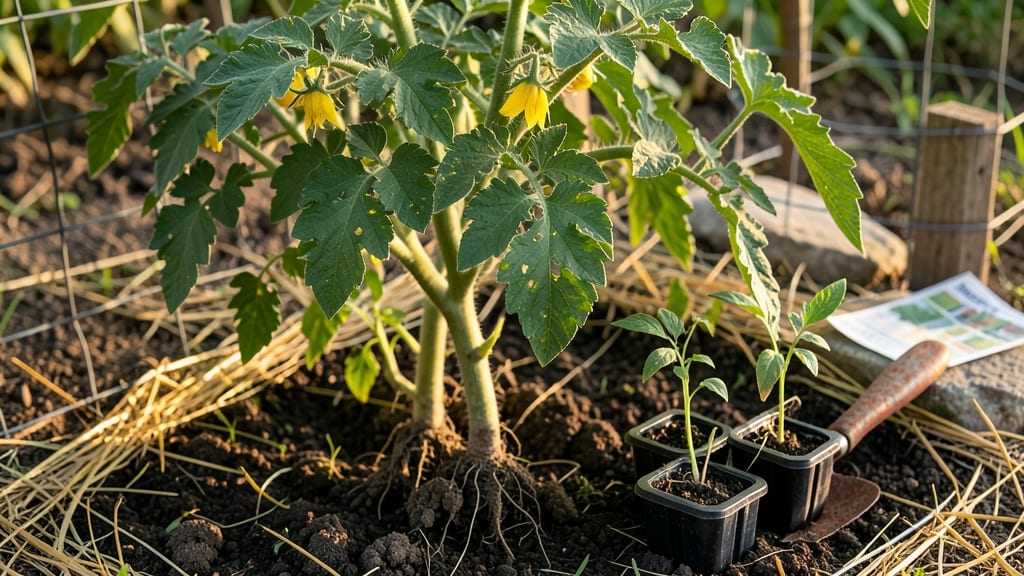
Planting tomatoes in Missouri isn't just about grabbing seeds and sticking them in the dirt—it's about mastering the exact timing that separates a thriving harvest from a sad, frost-nipped failure.
With USDA zones 5b-6b bringing unpredictable springs, knowing when to plant your 🍅 can mean the difference between baskets of juicy tomatoes and empty vines.
Most Missouri gardeners wait until after the average last frost date—around April 15—but that's just the starting point. Soil temperature matters just as much: your tomatoes won't thrive until the ground warms to at least 60°F. And if you're planting transplants versus direct sowing, the rules change completely.
I've grown tomatoes in Missouri for years, and the key is understanding your specific zone's quirks. Whether you're in St. Louis or Kansas City, this guide will help you pinpoint the perfect window—plus how to adjust when Mother Nature throws curveballs like late frosts or early heatwaves.
Ready to grow tomatoes that actually produce? Let's break down the science and strategies so you can plant with confidence and harvest like a pro—no guesswork required.
Missouri tomato planting schedule by USDA zone (weeks before last frost)
Missouri spans USDA Zones 5a–7a, meaning your tomato planting window varies by region—from late April in southern Missouri to mid-May in the north. The key is planting 2–3 weeks before your average last frost date when soil temperatures hit 60°F and nighttime lows stay above 50°F.
In Missouri, this typically means mid-April to mid-May, but don’t rush—cold soil slows germination.
For northern Missouri (Zones 5a–5b), aim for April 20–May 1 using transplants or May 10–15 for direct sowing. Southern Missouri gardeners (Zones 6a–7a) can plant April 1–April 15 for an earlier harvest. Always check your local last frost date—Missouri’s spring weather is famously unpredictable!
🌱Pro Tip: Use a soil thermometer to confirm readiness. Tomatoes won’t thrive in cold soil, even if air temperatures are warm.
If you’re starting seeds indoors, begin 6–8 weeks before your last frost date. For northern Missouri, that’s mid-February; southern Missouri can start late January. Use grow lights to prevent leggy seedlings—tomatoes need 14–16 hours of light daily to thrive.
For fall planting, Missouri’s short season allows only late July–early August sowings, with varieties like ‘Early Girl’ or ‘Stupice’ maturing before frost. Use black plastic mulch to warm soil and extend the season by 2–3 weeks.
🌡️Warning: Never plant tomatoes in cold, wet soil—it causes damping-off disease and stunted growth. Wait for 3 consecutive days above 60°F before transplanting.
Missouri’s humidity and heat demand disease-resistant varieties like ‘Mountain Merit’ (VFN) or ‘Celebrity’. Pair them with cage supports—vines can reach 6 feet tall—and mulch heavily to retain moisture and suppress weeds.
📅Key Deadlines:
- Northern MO: Last transplant by May 1 for harvest by July 4.
- Southern MO: Last transplant by April 30 for harvest by June 15.
Use row covers for early plantings to protect against late frosts (which can hit through May in northern Missouri). Remove covers once flowers appear to allow pollination—tomatoes need bees or gentle shaking to set fruit.
How to adjust tomato planting for Missouri’s unpredictable spring weather
Missouri’s spring weather can be as unpredictable as a whirlwind—one day warm and sunny, the next a surprise frost that threatens your tender tomato seedlings. The key to success is flexibility. If you’ve ever lost plants to a late frost or struggled with slow soil warming, you’re not alone.
I’ve learned the hard way that rigid planting schedules don’t work here; instead, I rely on adaptive strategies to protect my plants and extend the growing season.
Start by monitoring your local frost dates. While the average last frost in Missouri falls around April 15, actual dates can vary by 1–2 weeks depending on your specific location. Check resources like the Midwest Regional Climate Center or your local Cooperative Extension Service for real-time updates.
For northern Missouri (USDA zones 5a–5b), err on the side of caution—wait until May 1 or later to plant outdoors.
Here’s my go-to strategy for handling Missouri’s unpredictable spring: I use row covers or cold frames to create a microclimate that warms soil faster and protects young plants. A simple floating row cover (like Reemay fabric) can raise soil temperatures by 5–10°F and shield seedlings from light frosts.
For extra insurance, I plant heat-loving varieties like ‘Celebrity’ or ‘Better Boy’ slightly later, after the soil hits 60°F consistently.
Don’t overlook the power of succession planting. Instead of betting everything on one planting date, I space out my tomatoes in 2-week intervals after the last frost. This ensures a continuous harvest and reduces the risk of losing your entire crop to a single late frost.
For example, I’ll plant early varieties like ‘Early Girl’ (50 days to maturity) in late April, followed by mid-season favorites like ‘Roma’ in early May, and finish with late-season picks like ‘Cherokee Purple’ in mid-May.
If you’re in southern Missouri (zones 6b–7a), you might also consider a fall planting for a second harvest. Start seeds indoors in July and transplant in early August, choosing fast-maturing varieties like ‘Patio’ or ‘Tiny Tim’ (both ready in 55–60 days).
With proper care, you can enjoy tomatoes well into October, even as temperatures drop.
Finally, keep an eye on the 7-day forecast before transplanting. If a frost warning pops up, cover your seedlings with old blankets or cardboard at night—even a 28°F dip can damage young plants.
With these adjustments, you’ll turn Missouri’s unpredictable spring into an advantage, not a setback. Your tomato plants (and your taste buds) will thank you!