
Plants
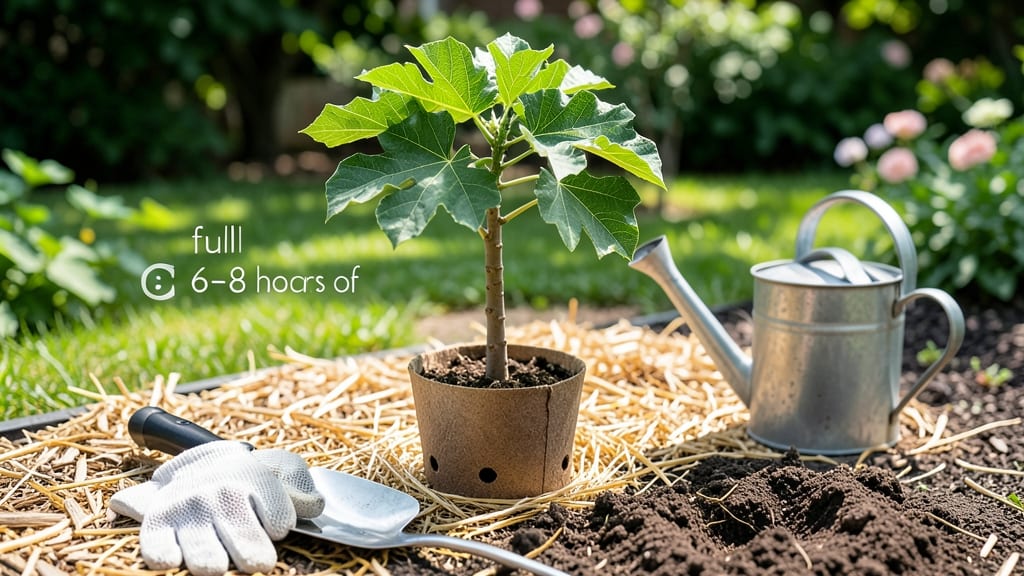
Planting a fig tree in New York might seem tricky with its unpredictable frosts, but timing is everything—and the right window can mean the difference between a thriving 🍈 tree and a lost investment.
Most gardeners in USDA Zones 5b-7b wait until late April or May, after the last frost date (usually around April 15), when soil temperatures hit at least 60°F for strong root establishment. This gives young trees a fighting chance before winter rolls back around.
Whether you're planting in containers or in-ground, container-grown figs can go in slightly earlier, while in-ground plantings need extra protection from late frosts. I’ll walk you through the best methods to extend your growing season and keep your fig tree happy year-round.
From cold-hardy varieties like Chicago Hardy to smart mulching techniques, you’ll discover how to turn New York’s climate into an advantage—not a roadblock—for your fig tree’s success.
Best time to plant fig trees in NY: frost-free window & soil prep
Fig trees thrive in New York’s USDA Zones 5b-7b, but timing is critical to avoid frost damage. The ideal window is late April to mid-May, after the last frost (typically around April 15), when soil temperatures reach 60°F. This gives roots time to establish before winter.
For container-grown figs, you can plant as early as early April in protected microclimates, like near south-facing walls. In-ground plantings, however, need extra frost protection until the soil warms fully. I’ve learned that rushing too early often leads to stunted growth or frost-killed shoots.
New York’s frost-free growing season averages 165 days, which is just enough for figs to mature. Varieties like Chicago Hardy can handle brief cold snaps, but most figs need winter protection. Plan to plant 6-8 weeks before your first frost to ensure a full growing season.
Soil prep is just as important as timing. Figs prefer well-draining, slightly acidic soil (pH 6.0-7.0). Amend heavy clay soils with compost or sand to prevent root rot. I always test my soil before planting—figs hate soggy roots, and New York’s spring rains can turn gardens into mud pits.
Choose a sunny, sheltered spot with at least 6-8 hours of direct sunlight. Figs love heat, so avoid shady areas or spots prone to late frosts. A south-facing wall or fence can create a microclimate that adds 5-10°F of warmth, extending the growing season.
Here’s how I prepare my fig trees for New York’s climate:
If you’re in Zone 5b (e.g., Buffalo or the Catskills), stick to spring planting only. These areas experience harsher winters, and figs need time to harden off.
In Zone 7b (e.g., NYC or Long Island), you can attempt a fall planting in late September, but protect the tree with mulch and burlap wraps.
One mistake I’ve seen gardeners make is planting figs too deep. The graft union (where the top and rootstock meet) should sit 2-3 inches above soil level.
Burying it too deeply can cause rot, while planting too shallow exposes roots to temperature swings. Always follow the nursery’s planting depth guidelines.
After planting, water deeply to settle the soil and remove any air pockets. Figs need 1-2 gallons of water per tree during establishment. I water mine in the morning to reduce evaporation and fungal risks.
Mulch with 3-4 inches of straw or wood chips to retain moisture and regulate soil temperature.
Remember, fig trees are perennials in warmer zones but often treated as annuals in Zone 5b. If you’re in a colder area, consider growing them in large containers that you can move indoors or to a greenhouse during winter.
With the right timing and care, your fig tree can reward you with sweet fruit for years to come.
Top 5 cold-Hardy fig tree varieties that thrive in NY gardens
If you're growing figs in New York, choosing the right cold-hardy variety makes all the difference between a frost-killed sapling and a fruit-bearing tree.
While most figs struggle below 20°F, these top 5 varieties have proven resilience in USDA Zones 5b-7b, with some even surviving brief dips to -10°F with proper protection.
My top pick for Zone 5b gardeners is Chicago Hardy, a desert fig bred specifically for cold climates. It produces sweet, honey-like fruit even after winter temperatures drop, making it ideal for Buffalo or the Catskills.
In milder areas like NYC or Long Island, Celeste shines with its large, purple-skinned figs that ripen early in the season.
Here’s how these varieties compare in cold tolerance, growth habits, and yield potential for NY gardens:
Chicago Hardy is my go-to for Zone 5b because it tolerates colder winters and produces fruit even after light frost damage. Its small, sweet figs ripen in late summer, giving you an early harvest before fall frosts. I’ve seen mine recover from -5°F with just a thick mulch layer and burlap wrapping.
Celeste, on the other hand, is perfect for Zone 6-7b gardeners who want large, purple figs with a honey-like flavor. It’s more vigorous than Chicago Hardy, reaching 12-18 feet tall, but needs winter protection in colder areas. I’ve grown Celeste in containers and moved them indoors during winter with great success.
Brown Turkey is a classic variety that thrives in warmer microclimates like Long Island or NYC. Its spreading habit makes it great for trellises or espalier training, and it produces abundant fruit in late summer to fall. However, it’s less cold-hardy than Chicago Hardy, so I only recommend it for Zone 6b and above.
For small-space gardens,