
Planting
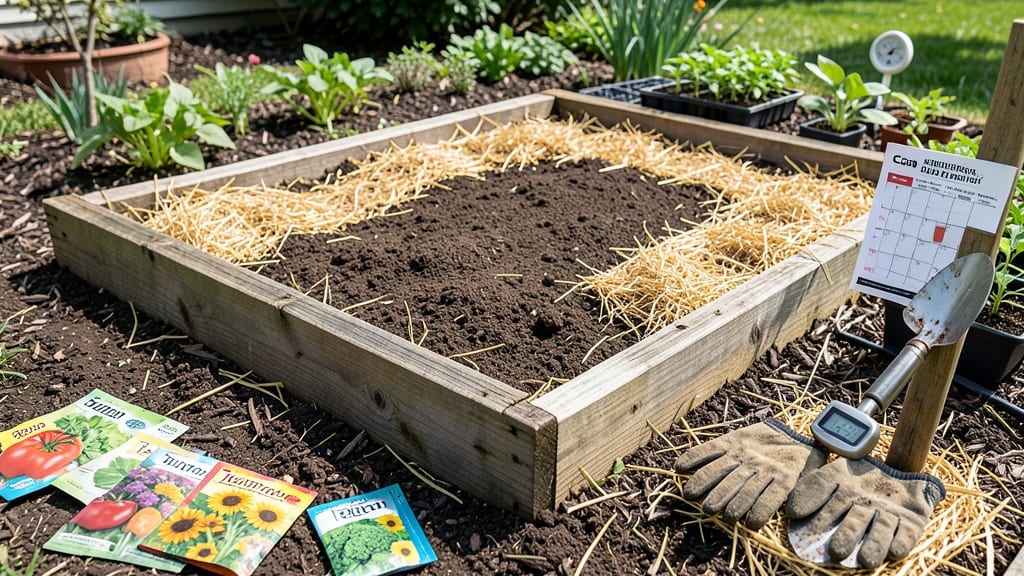
Knowing when to plant a garden in Kentucky could mean the difference between a thriving harvest and a sad, wilted mess—especially when you’re juggling spring’s unpredictable frosts and fall’s early freezes.
The key isn’t just planting some time in March or August; it’s knowing the exact 2-3 week windows that work for your heat zone, whether you’re in Lexington or Louisville.
Here’s the truth: Cool-season crops like lettuce and peas need to hit the soil 4-6 weeks before your last frost (usually mid-April), while warm-season favorites like tomatoes and peppers can’t tolerate chill—so they wait until 2-3 weeks after that frost date.
Miss the mark, and you’re either dodging frost damage or wilting under July’s heat.
I’ve spent years tracking Kentucky’s planting patterns, and the best part? You don’t need a PhD in agriculture to nail it. With the right schedule, you can stretch your growing season for two bountiful harvests—one in spring and another in fall—without the guesswork.
Let’s break down the exact deadlines for your zone.
Ready to turn your garden into a year-round success? We’ll cover everything from soil prep to regional tweaks, so you can plant with confidence—no more “oops, I waited too long” moments. Your future harvests (and your dinner table) will thank you.
Kentucky’s planting deadlines by heat zone: spring vs fall schedule
Kentucky spans USDA Hardiness Zones 6a-7b, meaning your planting timeline depends heavily on whether you’re in northern Appalachia (cooler) or central Bluegrass (warmer). The average last frost date hovers around mid-April, but microclimates can shift this by 2-3 weeks.
For example, Lexington typically warms up faster than Paducah, so adjust your schedule accordingly.
Spring planting kicks off in March for cold-hardy crops like peas and spinach, while warm-season favorites (tomatoes, peppers) wait until after the last frost. Fall offers a second chance with cool-season crops planted by early September to mature before mid-October’s first frost.
Missing these windows means stunted growth or total crop loss—so mark your calendar!
Here’s how to align your planting with Kentucky’s two key seasons and heat zone nuances:
| Season | Planting Window | Key Crops | Heat Zone Notes |
|---|---|---|---|
| Spring | Mid-March to early May | Peas, spinach, lettuce, onions, potatoes (cool); tomatoes, peppers, cucumbers (after frost) | Zone 6a: Start 2 weeks later. Zone 7b: Can plant warm crops by early April. |
| Fall | Late July to early September | Kale, carrots, broccoli, garlic, radishes, turnips | Zone 6a: Plant by August 15 for harvest. Zone 7b: Can extend to September 10. |
| Year-Round | Perennials (asparagus, rhubarb) | Plant crowns in early spring or fall | Zone 6a: Wait until soil warms (late April). Zone 7b: Ready by March 15. |
For spring planting, start cool-season crops indoors in February (e.g., broccoli, cabbage) to transplant outdoors 4-6 weeks before the last frost. Warm-season crops like tomatoes thrive when soil reaches 60°F, usually mid-May in northern Kentucky and early May in southern regions.
Use a soil thermometer to avoid false starts.
Fall planting is all about timing harvests before frost. Most cool-season crops need 60-90 days to mature, so plant kale in late July for a September-October harvest. Garlic, planted in October, overwinters and yields in June-July.
Overplanting risks stunted growth—space seeds according to mature size.
Kentucky’s microclimates add complexity. Mountain regions (e.g., Eastern KY) stay cooler, delaying planting by 1-2 weeks, while urban heat islands (Louisville) may allow earlier warm-season crops. Observe your garden’s sun exposure and wind patterns—south-facing beds warm faster, ideal for frost-sensitive plants.
Pro tip: Use row covers to extend spring planting by 2-3 weeks or protect fall crops from early frost. Mulch heavily in late summer to insulate soil and preserve warmth for late-season harvests. These tricks let you push Kentucky’s growing season by 30-45 days!
Missed the spring window? Don’t despair—fall planting offers a second harvest. Just avoid heat-loving crops like okra or sweet potatoes, which bolt in Kentucky’s summer heat. Focus on cool-season powerhouses like spinach, arugula, and radishes, which thrive in autumn’s milder temps.
🌱
Best spring-planted vegetables for Kentucky gardens (and when to start indoors)
Spring in Kentucky is all about balancing cool-season crops that tolerate light frosts with warm-season plants that need consistent warmth. My top recommendation? Start with spinach and peas in early March—these hardy greens can handle 30°F temperatures and give you an early harvest before summer heat arrives.
For tomatoes and peppers, wait until after your last frost date (mid-April in most zones) and start seeds indoors 6-8 weeks before transplanting. This gives them a head start against Kentucky’s hot, humid summers that can stress young plants.
🌱 Numbered Highlights: Kentucky Spring Planting Schedule
- Early March: Plant spinach, peas, lettuce (hardy to 25°F). Direct sow outdoors.
- Late March: Start onions, broccoli, cabbage indoors. Transplant after last frost.
- Mid-April: Tomatoes, peppers, cucumbers (after frost). Use row covers if nights dip below 50°F.
- May: Green beans, carrots, radishes. Succession plant every 2 weeks.
- June: Sweet corn, squash, basil. Plant after soil reaches 60°F.
Pro tip: Use row covers for early plantings—they add 2-4°F protection against late frosts. I’ve seen broccoli and kale thrive under covers even when temps drop to 28°F.
For herbs like basil and cilantro, wait until after May 15—cilantro bolts in heat, and basil needs consistent warmth. Plant them in well-draining soil with morning sun to prevent wilting.
Don’t forget succession planting! Replace harvested lettuce or radishes with new seeds every 2-3 weeks to keep your garden productive through June’s heat. This trick extends harvests by 4-6 weeks.
If you’re in Zone 6a (northern KY), push spring plantings 1-2 weeks earlier than Zone 7b (southern KY). The Appalachian region stays cooler longer, while Louisville’s urban heat island warms up faster.
🌱