
Planting
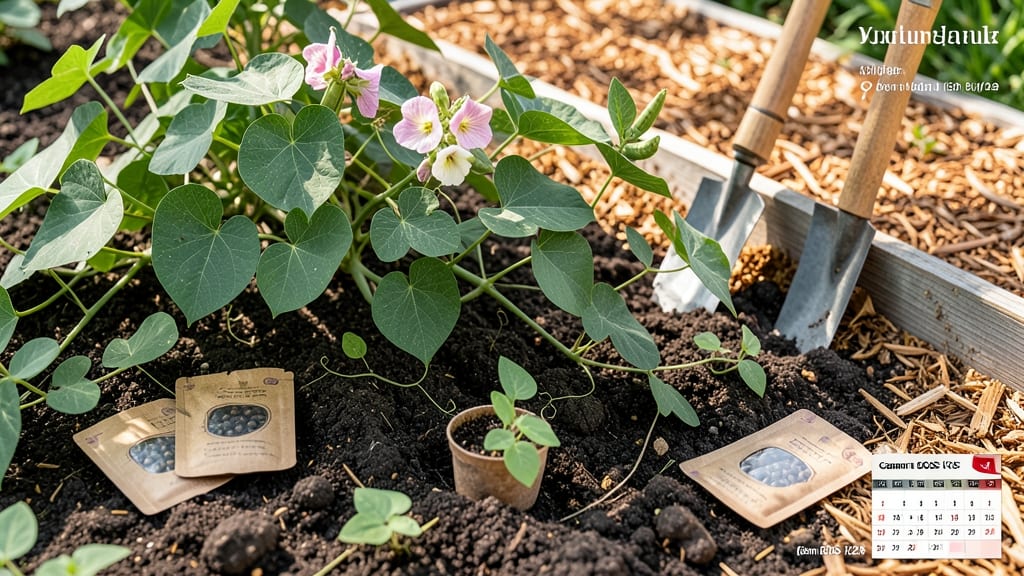
Timing when to plant a garden in South Carolina just right can mean the difference between a bountiful harvest and a sad, crispy mess.
With frost dates that shift from mid-March to mid-November, knowing when to plant a garden in the Palmetto State is everything—especially when coastal Charleston and Piedmont Greenville don’t always agree on the weather.
I’ve spent years watching my 🌱 General Garden Plants thrive (or wilt) based on when I stuck them in the ground, and the secret isn’t just luck—it’s about reading your zone.
Whether you’re growing heat-loving tomatoes or frost-tender lettuce, the 7b-8a climate zones here demand precision. Miss the window, and you’ll either freeze your seedlings or bake them before they’re ready.
Here’s what you need to know: the perfect planting windows for every crop, from late winter’s cool-season starts to fall’s last-minute warm-weather winners. We’ll break down the frost dates, soil prep tricks, and even how to cheat the system with row covers—so you can grow year-round without guessing.
Ready to turn your garden into a zero-frost survival zone? Let’s dive into the exact months, tools, and hacks that’ll have your plants flourishing while your neighbors are still scratching their heads.
South Carolina heat zones explained: when to plant by last frost dates
South Carolina spans USDA Hardiness Zones 7b through 9a, meaning frost dates vary dramatically from the coastal Lowcountry to the Piedmont mountains. Charleston’s last frost typically hits mid-March, while Greenville may see frost as late as mid-April.
Understanding these zones helps you avoid frost damage and align planting with your local microclimate.
Coastal areas (like Zone 8a) enjoy longer frost-free seasons (240+ days), while inland Piedmont regions (like Zone 7b) face earlier frosts (210 days). Even within 50 miles, frost dates can shift by 2-3 weeks—so check your zip code on the USDA Plant Hardiness Map for precision.
🌱Key takeaway: Coastal gardeners can plant tomatoes in February, while Piedmont growers wait until mid-April. Always verify your last frost date—don’t rely on averages!
| Region | USDA Zone | Last Frost Date | First Frost Date | Frost-Free Days |
|---|---|---|---|---|
| Coastal Lowcountry (Charleston) | 8a | Mid-March | Mid-November | 240+ days |
| Piedmont (Greenville) | 7b | Mid-April | Late October | 210 days |
| Upstate (Spartanburg) | 7a | Late April | Early November | 190 days |
🌡️ Pro Tip: Use a minimum thermometer to track nighttime temps—critical for frost-sensitive plants like tomatoes and peppers.
Microclimates add another layer of complexity. Urban areas (like Columbia) may run 2-3°F warmer than rural zones due to the heat island effect, while valleys can trap cold air, delaying spring planting by 1-2 weeks.
Observe your yard’s behavior: Does frost linger in low spots? Does your south-facing slope warm up faster?
For warm-season crops (tomatoes, peppers, squash), wait until soil temps hit 60°F+—use a soil thermometer to confirm.
Coastal gardeners can plant eggplants in March, but Piedmont growers should hold off until May. Cool-season crops (kale, broccoli, carrots) thrive when planted 4-6 weeks before last frost—so February for Charleston, March for Greenville.
🌿Common mistake: Planting sweet potatoes too early. They need consistent warmth—wait until mid-May in Zone 7b to avoid stunted growth.
Extend your growing season by 3-4 weeks in spring/fall with row covers or cold frames. These tools create a 5-10°F warmer microclimate, letting you plant spinach in January or kale in November—even in Zone 7b. Just remove covers when temps hit 75°F+ to prevent overheating.
💡Action step: Mark your last frost date on your calendar and set reminders for spring prep (February) and fall planting (August). Use a garden journal** to track your local variations year after year.
Best planting calendar for south Carolina vegetables, flowers, and herbs
South Carolina’s long growing season means you can grow almost year-round, but timing matters. Cool-season crops like kale and broccoli thrive in early spring and fall, while warm-season favorites like tomatoes and peppers need summer’s heat. Here’s your month-by-month guide to maximize yields.
Start with cool-season crops in February for a spring harvest. Plant broccoli, cabbage, and lettuce 4-6 weeks before your last frost date (typically mid-March in most of SC). For Zone 8a-9a areas, you can even sow spinach and peas as early as January.
🌱 Numbered Highlights for SC Planting
- February-March: Plant cool-season veggies (kale, peas) and spring flowers (pansies, snapdragons).
- April-May: Transplant tomatoes, peppers, and basil after last frost. Start okra and sweet potatoes in Zone 9.
- June-July: Sow fall crops (beans, cucumbers) for a late harvest. Plant marigolds and zinnias for summer color.
- August-September: Begin cool-season crops again for fall harvests (carrots, radishes). Plant garlic and onions for next year.
For warm-season crops, wait until soil temperatures hit 60°F+ (usually mid-April to May). Tomatoes and peppers need consistent warmth, so avoid planting before May 1 in most of SC. In Zone 9 (coastal areas), you can start okra and sweet potatoes as early as March.
Extend your harvests with succession planting. Sow lettuce, radishes, and beans every 2-3 weeks from spring to fall. This ensures a steady supply and prevents glutting your kitchen. Herbs like basil and cilantro also benefit from staggered plantings—they bolt in summer’s heat.
Don’t overlook fall planting! After Labor Day, switch to cool-season crops like broccoli, spinach, and carrots. These thrive in SC’s mild autumns and can often be harvested before first frost (usually mid-November). Use row covers to push harvests even later.
Pro tip: Check your local frost dates (e.g., Charleston’s last frost is 2-3 weeks earlier than Greenville’s). Adjust your schedule accordingly—coastal gardeners can plant 2-4 weeks earlier than Piedmont growers. Heat-tolerant crops like southern peas and collard greens are perfect for extending your season.