
Planting
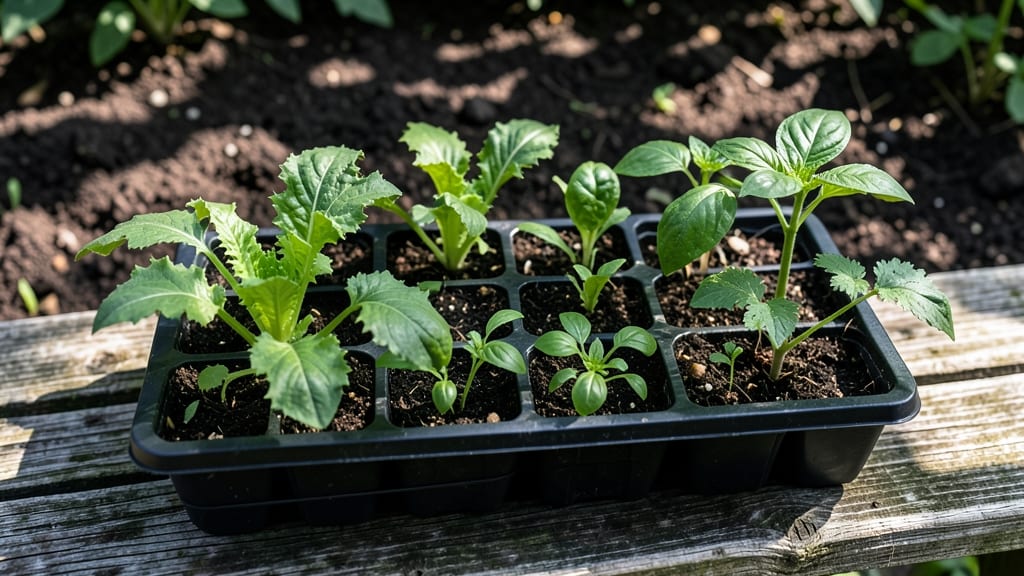
Planting your garden at the right time can make all the difference between a bountiful harvest and frustrated waiting—so knowing when to plant in your specific zone is the key to success. 🌱 Whether you're a seasoned gardener or just starting out, timing matters more than you might think, especially when it comes to avoiding those pesky frost surprises.
The truth is, your last frost date isn't just a random number—it's the benchmark that determines whether your seeds will sprout or your seedlings will wither. In USDA Zone 6a, where many gardeners call home, understanding these dates helps you plan for everything from cool-season greens to heat-loving tomatoes.
But here's the thing: not all plants follow the same schedule. Cool-season crops like spinach and peas can handle a little chill, while warm-season favorites like peppers and cucumbers need the soil to be toasty before they'll even think about germinating.
I'll walk you through exactly when to plant each type, so you can avoid common mistakes and maximize your garden's potential.
Ready to turn your garden dreams into reality? Let's dive into the perfect planting timeline for your zone, so you can enjoy fresh produce all season long—without the guesswork.
Understanding last frost dates and how they affect planting times
Timing your garden planting by last frost dates is the first step to a successful harvest. These dates mark when the average 32°F frost occurs in spring, signaling it's safe to plant warm-season crops like tomatoes and peppers. Missing this window can lead to stunted growth or lost seedlings.
Your USDA hardiness zone determines your frost dates—zone 5a averages a last frost around April 15, while zone 8a sees its last frost by March 15. Check your local National Weather Service data or use tools like the Almanac's Frost Calculator for precise timing.
Here’s how frost dates impact your garden:
| USDA Zone | Last Frost Date | First Frost Date | Frost-Free Days |
|---|---|---|---|
| 3a | May 15 | September 15 | 120 days |
| 5a | April 15 | October 15 | 180 days |
| 7a | March 15 | November 15 | 240 days |
| 9a | February 15 | December 15 | 330 days |
For cool-season crops like spinach or lettuce, you can plant 4-6 weeks before your last frost date. These hardy plants tolerate light frosts, even thriving when temperatures dip to 20°F. Meanwhile, warm-season crops need soil temperatures above 60°F to germinate, so wait until after your last frost.
Don’t rely solely on averages—track your local microclimate. Urban areas can be 5°F warmer than rural zones, while valleys may frost earlier than hilltops. Use a soil thermometer to confirm when soil reaches 50°F for cool-season crops or 60°F for warm-season ones.
If you’re unsure, start seeds indoors 6-8 weeks before your last frost. This gives seedlings a head start and lets you transplant them outdoors once temperatures stabilize. For example, in zone 6a, begin tomatoes indoors by March 1 for a late-May transplant.
Extending your season with row covers or cold frames can push your planting window earlier or later. These tools add 2-4 weeks of protection, letting you sow cool-season crops like kale in early spring or radishes in late summer.
Remember: First frost dates matter too! Plan fall plantings 6-8 weeks before your first frost to ensure crops mature before cold sets in. For instance, in zone 5a, plant bush beans by July 15 for a harvest before frost.
Local gardening clubs or Cooperative Extension offices often host frost date workshops. Attend one to get hyper-local advice—your neighbors’ gardens might hold the key to your success!
Best planting times for cool-season vs warm-season vegetables
Planting your garden at the right time ensures your cool-season crops thrive in mild weather while protecting warm-season plants from late frosts. The key lies in understanding your USDA zone and aligning planting with average last frost dates.
For example, in Zone 6a, cool-season crops like spinach and kale should go in early spring or late summer, while tomatoes and peppers need to wait until after the last frost in April.
Cool-season vegetables, such as broccoli, carrots, and peas, tolerate cooler temperatures and can even handle light frosts. These plants should be sown 4-6 weeks before your last frost date for an early harvest.
In Zone 6a, that means starting seeds indoors in March or directly sowing in early April. Warm-season crops, like cucumbers and beans, need consistent warmth and should only be planted after the soil reaches 60°F.
Here’s how to align your planting schedule with your zone’s climate patterns:
| Plant Type | Best Planting Window (Zone 6a) | Notes |
|---|---|---|
| Cool-Season Vegetables | Early Spring (March-April) or Late Summer (August-September) | Tolerates light frost; sow seeds 4-6 weeks before last frost. |
| Warm-Season Vegetables | After Last Frost (Mid-April to May) | Needs soil temps above 60°F; avoid planting until danger of frost passes. |
| Herbs (e.g., Basil, Cilantro) | Cool-Season: March-April; Warm-Season: May-June | Basil thrives in heat; cilantro prefers cooler temps. |
| Flowers (e.g., Marigolds, Snapdragons) | Early Spring (March) or Late Summer (August) | Many flowers are frost-tolerant; others bloom best in warm weather. |
For warm-season crops, timing is critical. Planting too early can stunt growth or kill seedlings, while waiting too long may reduce your harvest. In Zone 6a, start tomato and pepper seeds indoors in February to transplant outdoors after the last frost.
If you’re direct-sowing, wait until mid-May to ensure soil warmth. Succession planting is also key—sow radishes or bush beans every 2 weeks to extend your harvest window.
Adjust your schedule based on microclimates in your garden. South-facing beds warm up faster, making them ideal for early warm-season plantings. Conversely, shady spots may delay planting for heat-loving crops like eggplants or okra.
Always monitor your local weather forecasts for unexpected late frosts, which can devastate tender seedlings.
Pro tip: Use row covers or cold frames to extend the growing season for both cool and warm crops. For example, you can plant spinach in late summer under a cover to harvest into fall, or start tomatoes earlier with a protective barrier.
This flexibility lets you maximize your garden’s productivity regardless of your zone’s limitations.
Remember, the soil temperature is just as important as air temperature. Use a soil thermometer to confirm warmth before planting warm-season crops. Aim for 60-65°F for most vegetables—any cooler, and germination will stall. With the right timing, your garden will reward you with bountiful harvests all season long. 🌱