
Plants
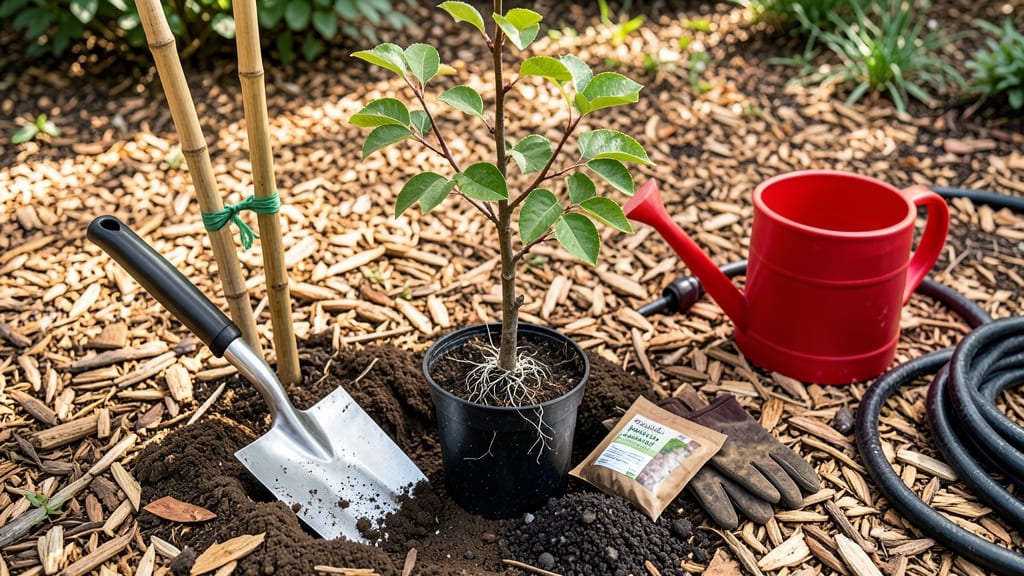
Most gardeners know spring and fall are ideal, but what if your soil is heavy clay or sandy? The right window depends on your soil type, tree species, and even whether you're planting bare-root or container-grown.
I'll break down exactly when to dig—plus how to adjust for local microclimates that might make your yard warmer (or colder) than the zone average.
You might think all trees follow the same rules, but oaks need fall planting while willows thrive in spring. Container-grown trees offer flexibility, while bare-root varieties demand precision. Let me show you how to match your tree to the calendar—and avoid the costly mistakes that derail even well-intentioned plantings.
Ready to plant with confidence? We'll cover soil prep, watering schedules, and species-specific secrets so your tree starts strong. Whether you're a beginner or a seasoned grower, these insights will help you plant at the perfect moment—no guesswork required.
Best planting times for trees by soil type and climate Zone
Timing your tree planting isn’t just about checking a calendar—it’s about understanding how your soil type and climate zone interact with the tree’s natural growth cycle.
In clay soils, for example, planting in early fall gives roots time to establish before winter, while sandy soils drain so quickly that spring planting often works better.
Even within the same region, a USDA Zone 6a maple tree might thrive when planted in October, but a willow could struggle if planted too late.
Most gardeners focus on the fall vs. spring debate, but the real secret lies in matching your tree’s needs to your soil’s behavior. For instance, loamy soil (the gardener’s gold) holds moisture well, making it ideal for spring planting, while poorly draining soils demand early fall to avoid waterlogged roots.
Let’s break down the best windows for your specific conditions so you can plant with confidence.
🌱 PRO TIP: Always check your last frost date (April 15 in Zone 6a) and first frost date (October 15) to avoid planting during extreme temperature swings. Use these dates as your planting boundaries—never plant within 2 weeks of frost.
Your climate zone also dictates fine-tuning. In cooler zones (5-6), aim for fall planting—the tree’s roots grow steadily through winter’s chill, giving it a head start in spring.
Meanwhile, warmer zones (8-10) often allow year-round planting, but avoid peak summer heat (June-August) when roots can bake in dry soil. Even within Zone 6a, microclimates matter: A north-facing yard stays cooler longer, while a south-facing site may need earlier spring planting.
Don’t overlook bare-root vs. container-grown trees. Bare-root trees (often sold dormant) should always go in during their dormant season—fall for deciduous trees, early spring for evergreens. Container-grown trees, however, are more flexible: They can handle spring or fall planting in most climates, but avoid extreme heat or cold.
If you’re planting a container-grown oak in July, expect slower initial growth due to transplant shock.
🌡️ KEY FACTOR: Soil temperature matters more than air temperature. Use a soil thermometer—roots thrive when soil stays above 50°F (10°C). In clay soils, wait until soil warms to 60°F (15°C) before planting in spring.
One common mistake? Planting too late in fall and risking frost damage before roots establish. A good rule: Plant at least 6-8 weeks before your first frost to allow roots to grow 4-6 inches deep before winter sets in.
For example, in Zone 6a, October 1 is ideal for fall planting—any later, and your tree’s survival rate drops sharply.
Finally, consider tree species. Fast-growing trees like willows or poplars can handle spring planting, while slow growers like oaks or maples benefit from fall’s cooler temps. Always match the tree’s native climate to your own—planting a desert mesquite in a rainy Pacific Northwest site will lead to disappointment.
How soil type affects root growth timing (and what to do if you plant wrong)
Planting a tree in the wrong season for your soil type can turn your 🌱 dream tree into a struggling sapling. For example, clay soil holds moisture like a sponge, making early fall the only safe window—planting in spring risks waterlogged roots that suffocate young growth.
Meanwhile, sandy soil drains so fast that roots need the consistent moisture of late spring to avoid drying out before they establish.
Even loamy soil (the gardener’s favorite) has limits: Planting too late in fall leaves roots vulnerable to early frost, while spring planting in heavy clay can delay growth for years.
I’ve seen gardeners plant oak trees in July—only to watch them wilt by September because the roots couldn’t keep up with summer’s heat. The key is understanding how your soil’s drainage rate and moisture retention interact with the tree’s natural growth cycle.
For instance, poorly drained soils demand early fall planting to avoid winter waterlogging, while well-draining soils can handle spring planting because roots won’t dry out as quickly.
Here’s the hard truth: If you plant at the wrong time for your soil, you’re not just delaying growth—you’re starving the roots. Trees planted in clay soil during spring often develop shallow root systems because the compacted soil restricts downward growth.
In sandy soil, roots may grow too quickly upward in search of moisture, making the tree top-heavy and prone to falling in storms. The solution? Adjust your planting window based on your soil’s behavior, not just the calendar.
Planting too late in fall or too early in spring leads to:
- Root rot in clay soils (spring planting)
- Transplant shock in summer heat (June-August)
- Frost damage if roots don’t establish before winter
- Slow growth for 2+ years (recovery time)
🌡️ Fix it: If you’ve already planted late, add 3+ inches of mulch and water deeply every 3 days until roots establish.
What if you’ve already planted outside the ideal window? Don’t panic—there are ways to correct the damage. For clay soil plantings, mix in compost or sand to improve drainage and water deeply every 3 days for the first month.
For sandy soil, use hydrogel crystals to retain moisture and mulch heavily to slow evaporation. Even if your tree was planted in summer heat, shade cloth and daily watering can save it—just expect slower initial growth.
One of my biggest mistakes? Planting a container-grown maple in late May because I thought it was “close enough” to spring. The result? A tree that took two years to recover instead of one.
The lesson? Container-grown trees can handle slightly later planting than bare-root trees, but they still need 6-8 weeks of warm soil before winter. If you’re in Zone 6a and planting after June 1, be prepared for extra care—like weekly root stimulants and drip irrigation.
For bare-root trees, the stakes are even higher. These trees are sold dormant, meaning they rely on cool soil temps to wake up gradually. Planting them in late spring forces them to grow leaves before roots can catch up, leading to leaf scorch and death.
The fix? If you must plant bare-root trees late, soak the roots in water + rooting hormone for 24 hours before planting, then water every other day until fall.
Remember: Soil temperature is more critical than air temperature. Use a soil thermometer to confirm your planting window—roots need soil at least 50°F (10°C) for deciduous trees and 60°F (15°C) for evergreens. If your soil is too cold, wait.
If it’s too hot, mulch heavily and water at the root zone (not the leaves) to avoid fungal issues. Your tree’s survival depends on these details—don’t skip them!