
Planting
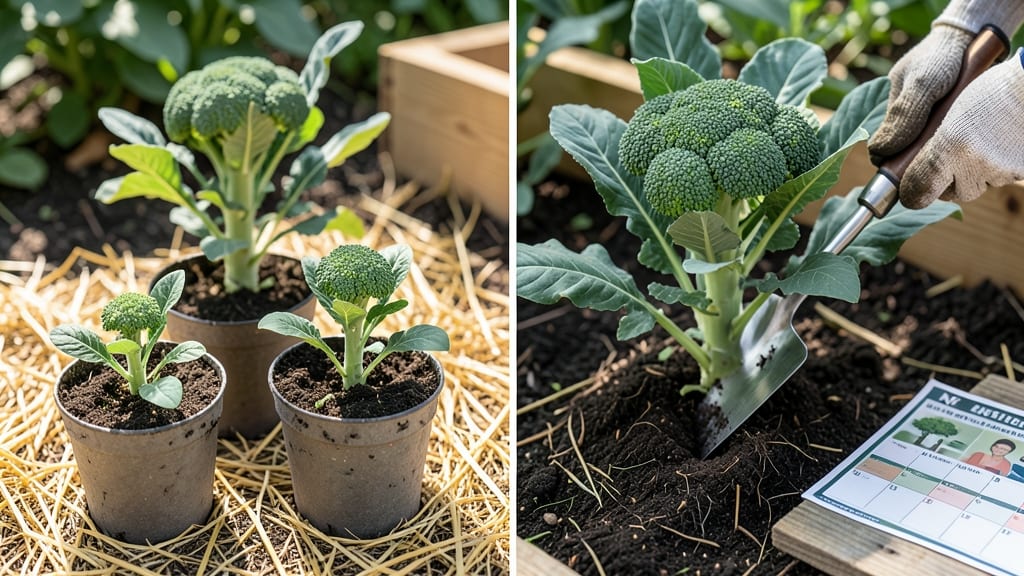
Planting a vegetable garden in NJ at the wrong time can mean the difference between a thriving harvest and wilted disappointment—especially when unpredictable frost dates and microclimates come into play.
I’ve learned the hard way that timing isn’t just about the calendar; it’s about understanding your specific zone in NJ, whether you’re in Zone 6a or 7b, and knowing when the last frost typically hits.
For example, coastal areas like Cape May might be ready weeks earlier than inland spots near Newark. The key is balancing patience with opportunity—wait too long, and your summer tomatoes will never get started.
In this guide, I’ll walk you through the exact planting windows for your favorite vegetables, from cool-loving lettuce to heat-craving peppers, so you can align your garden with NJ’s spring and fall growing seasons.
You’ll also discover how to adjust for those tricky weather surprises, like late frosts or early heatwaves, so your 🌱 garden stays ahead of the game.
Whether you’re a first-time gardener or a seasoned pro, mastering these timing tricks will help you grow more, waste less, and enjoy fresher produce straight from your backyard. Let’s get started!
NJ last-frost dates by Zone: critical planting windows for vegetables
New Jersey spans USDA Hardiness Zones 6a through 7b, meaning your last-frost dates can vary by 1-2 weeks depending on location. Coastal areas like Cape May typically see their last frost around April 15, while inland zones near Sussex County may not be frost-free until May 1.
These differences create critical planting windows for your vegetable garden.
Understanding these dates helps you avoid frost damage to tender crops like tomatoes and peppers, while maximizing the growing season for cool-season vegetables such as spinach and kale.
For example, planting cold-hardy greens too late in spring can lead to bolting (premature flowering), while warm-season crops planted before the last frost may stunt or die.
Here’s how NJ’s zones break down with average last-frost dates and crop-specific planting windows to guide your timing:
For cool-season vegetables like lettuce, spinach, and peas, aim to plant 4-6 weeks before your last frost date. These crops thrive in cooler temperatures and can even tolerate light frosts.
In Zone 6a, this means starting seeds indoors by mid-March or sowing directly in late February, while Zone 7b gardeners can plant outdoors as early as February 15.
Warm-season crops such as tomatoes, peppers, and cucumbers require soil temperatures above 60°F and should only be planted after your last frost date. In Zone 6a, wait until mid-May, while Zone 7b gardeners can start planting by late March in coastal areas.
Always check soil temperature with a soil thermometer—warm-season crops will stunt or fail if planted too early.
Microclimates play a huge role in NJ gardening. Coastal areas like Cape May and Atlantic City often experience earlier last frosts and warmer soil due to ocean influence. In contrast, inland regions like Sussex and Morris Counties may have later frosts and cooler soils.
Use these differences to your advantage: plant heat-loving crops earlier in coastal zones and extend your fall harvest by choosing frost-tolerant varieties in inland areas.
To further extend your growing season, consider using season extenders like cold frames, row covers, or low tunnels. These tools can push your last frost date back by 2-4 weeks in spring and delay the first frost by 3-5 weeks in fall.
For example, a simple floating row cover can protect broccoli and cabbage from late spring frosts, allowing you to plant 2
Best vegetables to plant in NJ by season: a month-by-month guide
New Jersey’s growing season stretches from early spring to late fall, but not all vegetables thrive in the same months. Cool-season crops like spinach and peas love the chill of spring, while tomatoes and peppers need the warmth of summer.
Knowing the ideal planting months for each crop helps you maximize your harvest and avoid wasted effort.
Start by checking your local last-frost date—typically April 15–May 1 in most of NJ—but adjust for microclimates. Coastal areas (like Cape May) warm up faster, while inland zones (like Sussex County) may need to wait longer.
For example, broccoli and kale can handle light frosts, but cucumbers and beans need soil temps above 60°F to germinate.
🌱 March–April: Focus on cool-season crops like lettuce, radishes, and peas. These hardy veggies tolerate cooler temps and can even handle a light frost. Start seeds indoors for onions and leeks to get a head start, or plant transplants of spinach and kale directly into the garden. Mulch heavily to protect roots from temperature swings.
☀️ May–June: Transition to warm-season plants once soil temps hit 60°F+. Plant tomatoes, peppers, and eggplants after the last frost, using row covers to extend the season if needed. Don’t forget corn and squash, which thrive in the heat. For succession planting, sow bush beans every 2–3 weeks for a continuous harvest.
🌿 July–August: Keep warm-season crops going with succession planting. Add more okra, sweet potatoes, and Southern peas for late-summer harvests. This is also the time to direct-sow fall greens like mustard greens and turnips, which prefer cooler temps later in the season. Water deeply in the morning to prevent fungal issues from humidity.
🍂 September–October: Shift to cool-season crops again for a fall harvest. Plant carrots, beets, and cabbage 8–10 weeks before the first frost (typically October 31–November 15). Use row covers or cold frames to extend the season into November. Don’t overlook garlic and hardneck onions, which benefit from a cold winter for flavor development.
Pro tip: Use companion planting to boost yields. Pair basil with tomatoes to repel pests, or plant carrots with onions to deter carrot flies. Keep a planting journal to track what thrives in your specific NJ microclimate—your future harvests will thank you! 🌱
📅 Month-by-Month Planting Highlights for NJ
- March–April: Spinach, Peas, Lettuce (direct sow); Onions, Leeks (start indoors).
- May–June: Tomatoes, Peppers, Corn (after last frost); Beans, Cucumbers (succession plant).
- July–August: Okra, Sweet Potatoes, Mustard Greens (direct sow for fall).
- September–October: Carrots, Beets, Cabbage (8–10 weeks before frost); Garlic (plant for next year).