
Plants
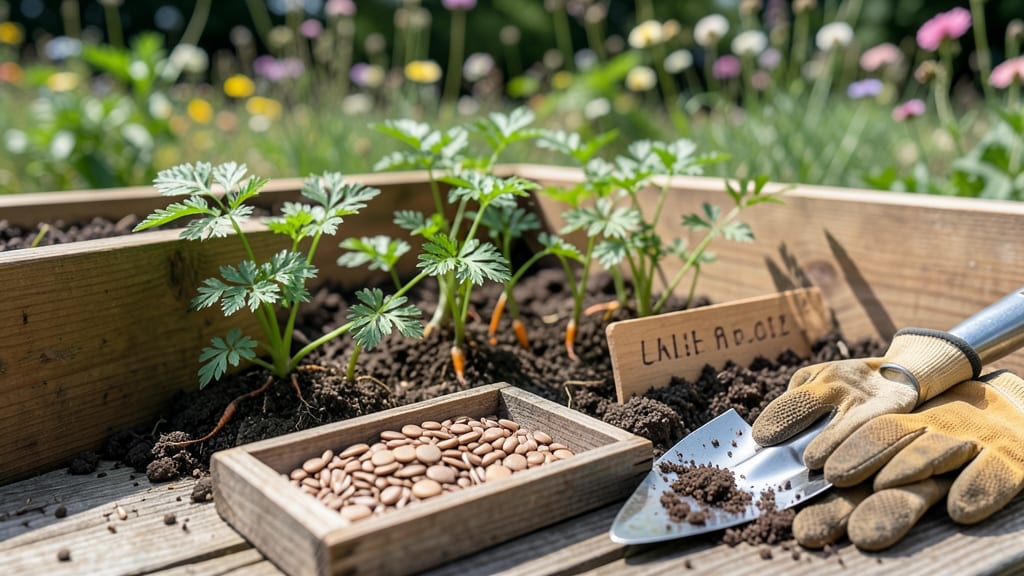
Planting carrots in Zone 5B at the wrong time can mean the difference between a bumper harvest of sweet 🥕 roots and a sad, frost-bitten mess. The key is timing—get it right, and you’ll enjoy crisp, homegrown carrots all season long.
In Zone 5B, where last frosts typically hit around mid-May, early spring planting (March to April) is your best bet for a summer harvest. But don’t stop there—late summer plantings (July to August) can stretch your growing season and keep fresh carrots coming until fall.
I’ve learned the hard way that rushing or waiting too long leads to bolting, rot, or stunted growth. The secret? Start seeds indoors or use row covers to protect young plants from late frosts, while choosing fast-maturing varieties for shorter seasons.
Ready to master the perfect planting schedule? I’ll walk you through the exact dates, soil prep, and succession planting tips to ensure your Zone 5B garden delivers the best carrots possible—no guesswork, just results.
Zone 5B carrot planting dates: exact frost-free timeline for best yields
In Zone 5B, where last spring frosts typically hit around April 15 and first fall frosts arrive by October 15, timing your carrot planting is critical. The 165-day frost-free window gives you just enough time to grow crisp, sweet roots—but only if you plant at the right moments.
Miss these windows, and you risk frost damage or bolting from heat stress.
For spring planting, the sweet spot is March 15 to April 15, when soil temperatures reach 50°F (10°C) consistently. This ensures seeds germinate quickly (in 10-14 days) before summer heat arrives. Fall planting works too—aim for July 15 to August 15 to harvest before winter sets in.
Soil temperature is your best friend here. Carrot seeds won’t germinate well below 50°F (10°C), so wait until the ground warms up.
Use a soil thermometer to check—if it’s cooler, delay planting by a week or two. Raised beds warm up faster than in-ground soil, giving you a head start in early spring.
🥕 Zone 5B Carrot Planting Summary
| Planting Window | Soil Temp | Days to Harvest | Notes |
|---|---|---|---|
| March 15–April 15 | 50°F+ (10°C+) | 70–85 days | Spring harvest; use row covers for early starts. |
| July 15–August 15 | 60°F+ (15°C+) | 60–70 days | Fall harvest; choose fast varieties. |
| April 15–May 15 | 55°F+ (13°C+) | 80–90 days | Succession planting for extended harvest. |
🌱 Pro Tip: Plant every 2 weeks in spring for a continuous harvest.
Succession planting is your secret weapon in Zone 5B. Since carrots take 70–85 days to mature, stagger your plantings every 2 weeks from March to May to ensure a steady supply.
For example, start your first batch on March 15, then follow up on April 1, April 15, and May 1. This way, you’ll always have fresh carrots ready to pull from the garden.
If you’re using row covers or a cold frame, you can push your spring planting even earlier—late February—but monitor soil temps closely.
Carrots planted too early in cold soil may rot before germinating. Avoid planting after June 1 in Zone 5B, as the heat can cause carrots to bolt (flower prematurely), turning them bitter and woody.
For fall carrots, prioritize fast-maturing varieties like 'Paris Market' or 'Little Finger', which can be ready in 50–60 days. Plant these by July 15 to harvest before the first frost.
Mulch heavily with straw to insulate roots and extend the season by 2–3 weeks. Just be sure to harvest before the ground freezes.
One common mistake in Zone 5B is planting carrots too deeply. Seeds need light to germinate, so only cover them with ¼ inch of soil. Use a fine seed starter mix or sand to prevent clumping, which can cause forked roots.
Thin seedlings to 2–3 inches apart once they’re 2 inches tall to avoid competition.
Finally, keep an eye on your local microclimate. Gardens in valleys or near large bodies of water may experience later frosts, while south-facing slopes warm up faster. Adjust your planting dates accordingly—2–3 weeks later if your area is prone to late frosts.
Zone 5B carrot planting dates: exact frost-free timeline for best yields
In Zone 5B, where last frosts typically arrive around April 15, timing your carrot planting is critical for avoiding frost damage and maximizing harvests.
The ideal window for spring planting starts 4-6 weeks before your last frost date, meaning you should begin sowing seeds in late March to early April.
Carrots thrive in warm soil (at least 50°F), so don’t rush—wait until the ground temperature stabilizes. If you plant too early, seedlings may rot in cold soil.
For a fall harvest, aim for late summer plantings in July to early August, giving roots time to mature before the first frost (around October 15).
🥕 Zone 5B Carrot Planting Summary
| Planting Window | Soil Temp | Frost Risk | Harvest Time |
|---|---|---|---|
| Late March - Early April | 50°F+ | High (use row covers) | July - August |
| July - Early August | 60°F+ | Low (fall frost) | October - November |
| Mid-April (succession) | 55°F+ | Moderate | September |
💡 Pro Tip: For continuous harvests, stagger plantings every 2-3 weeks in spring and 3-4 weeks in fall.
If you’re unsure about your exact last frost date, check local USDA climate data or use a frost calendar for your specific region. In my experience, planting Danvers Half Long varieties in early April yields the best results, as they mature in 70 days—just in time for summer harvests.
For fall plantings, choose shorter-day varieties like Paris Market to prevent bolting. These varieties mature in 50-60 days, making them perfect for late-season success. Always test soil moisture before planting—carrots need consistent moisture but hate soggy conditions.
Remember, succession planting is your secret weapon in Zone 5B. By sowing seeds every 2-3 weeks in spring, you’ll enjoy a steady supply of fresh carrots from July through October. This method also reduces the risk of losing your entire crop to pests or weather.
Finally, keep an eye on soil temperature—carrots won’t germinate well below 50°F. Use a soil thermometer to monitor conditions, especially in early spring. If temperatures dip, opt for row covers or a cold frame to protect young seedlings.