
Planting
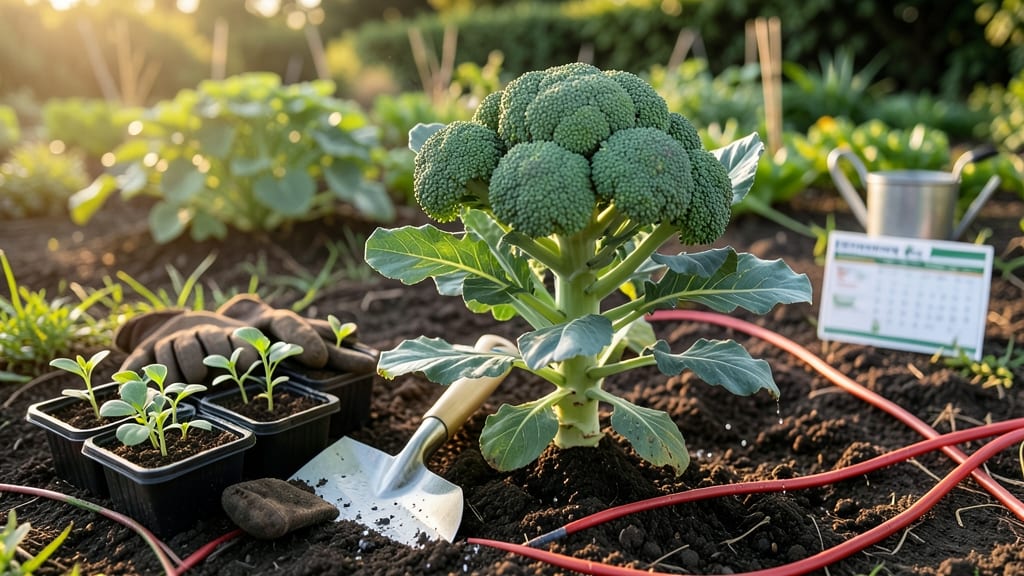
Planting a winter garden in Florida isn’t just possible—it’s your chance to grow fresh 🥬 vegetables when most gardeners are taking a break. The key? Timing it right to avoid summer’s heat while maximizing Florida’s mild winter climate, where frost is rarely a concern.
I’ve spent years perfecting my winter garden, and the difference between a thriving harvest and a failed attempt often comes down to one month of planting.
Whether you’re in North Florida’s 8a zone or South Florida’s balmy 11, knowing the exact window for each crop can mean the difference between crisp lettuce and wilted disappointment.
In this guide, I’ll break down the ideal months to plant your winter garden—from September’s early starts to February’s last chances—plus the top zero-frost crops that thrive in Florida’s unique climate. No more guessing: just proven strategies to fill your plate with homegrown goodness all winter long.
Ready to turn your backyard into a winter harvest hub? Let’s dive into the heat-zone-specific schedule that’ll have you enjoying fresh greens, root veggies, and more by January. Your future self (and taste buds) will thank you!
Florida’s winter planting calendar by heat zone: best months for zero-frost crops
Florida’s winter gardening success hinges on heat-zone timing. Unlike northern states, we don’t deal with frost, but summer heat stress can still ruin tender crops. North Florida’s cooler winters (zones 8a-9a) allow earlier plantings, while South Florida’s warmer winters (zones 10a-11) demand later starts to avoid premature bolting.
Here’s how to sync your planting with Florida’s three distinct heat zones for maximum yield.
Your first step is understanding Florida’s three winter planting windows. North Florida gardeners can start as early as late August for fall crops, while South Florida must wait until November to avoid heat damage.
Central Florida falls in between, with ideal starts in September-October. The key is avoiding spring heat spikes that trigger bolting in lettuce or flowering in carrots before harvest.
Comparison table below breaks down exact planting months by zone, including deadline dates to avoid summer stress. For example, broccoli planted in North Florida after January 15 risks heat damage, while South Florida can safely plant until March 1. Each zone’s last viable planting window ensures your crops mature before Florida’s spring warmth (80°F+) arrives.
February 1 (lettuce, spinach)
March 1 (leafy greens)
For North Florida gardeners, the August-September window is critical for fall-harvest crops like carrots and beets. Plant these 6-8 weeks before your first expected cool spell (typically mid-October). If you miss this, your next chance comes in November-December for winter harvests.
Pro tip: Use shade cloth (30-50%) in late winter to protect tender greens from unseasonable warmth.
Central Florida’s September-October start aligns with the region’s cooler, drier winters. Focus on slow-bolting varieties like ‘Winter Density’ lettuce or ‘Tendersweet’ carrots, which tolerate slight heat better. Avoid planting cabbage family crops after January 15, as they’ll bolt prematurely when daytime temps hit 75°F+.
In South Florida, where winters rarely drop below 60°F, the November-February window is your only shot. Prioritize fast-maturing crops like radishes (25 days) or arugula (30 days) to harvest before March’s heat.
Use drip irrigation to maintain consistent soil moisture, as South Florida’s dry winters can stress young plants.
Regardless of zone, soil prep is non-negotiable. Florida’s sandy soils drain too quickly, while clay-heavy areas suffocate roots. Amend with 2-3 inches of compost and a balanced fertilizer (5-10-10) before planting.
For heavy clay, mix in peanut hull compost to improve aeration. Test your soil’s pH—most winter veggies thrive at 6.0-7.0.
One common mistake is planting too densely to save space. Crowded crops compete for nutrients and sunlight, leading to stunted growth. Follow spacing guidelines: 12 inches apart for carrots, 18 inches for broccoli, and 6 inches for radishes.
Thin seedlings as needed to avoid disease spread from poor air circulation.
Extend your winter garden’s life with seasonal succession planting. In North Florida, sow fast radishes in late January for a February harvest, then replant with spinach in early March for a spring crop.
Central Florida can stagger lettuce plantings every 2 weeks from November to February. South Florida’s short window means focusing on cut-and-come-again greens
Top 10 fast-growing winter vegetables for Florida gardens (and when to sow them)
Florida’s winter garden thrives on quick-harvest crops that beat the heat before spring arrives. Unlike northern gardens, we don’t need cold-hardy varieties—just fast-maturing, heat-tolerant plants that deliver before temperatures climb above 75°F.
My top 10 picks all deliver harvests in 30-60 days, perfect for Florida’s 6-month winter window (September-February). These crops also handle Florida’s sandy soils and variable rainfall better than slow growers.
Start with leafy greens like ‘Black Seeded Simpson’ lettuce (30 days) or ‘Fordhook’ giant leaf (35 days). These bolt-resistant varieties tolerate Florida’s winter warmth better than traditional types.
For root vegetables, ‘Cherry Belle’ radishes (25 days) and ‘Danvers’ carrots (60 days) are my go-tos—they mature before spring heat triggers bitterness. Pro tip: Use shade cloth (30%) in late winter to extend harvests by 2-3 weeks.
Summary table below shows exact sowing windows by heat zone, harvest times, and spacing requirements. For example, North Florida can plant spinach in September for a November harvest, while South Florida must wait until December to avoid bolting. Each crop’s ideal planting month aligns with your zone’s coolest temperatures—typically 60-75°F day/50-60°F night.
For North Florida, September-October is prime time for broccoli and cauliflower