
Plants
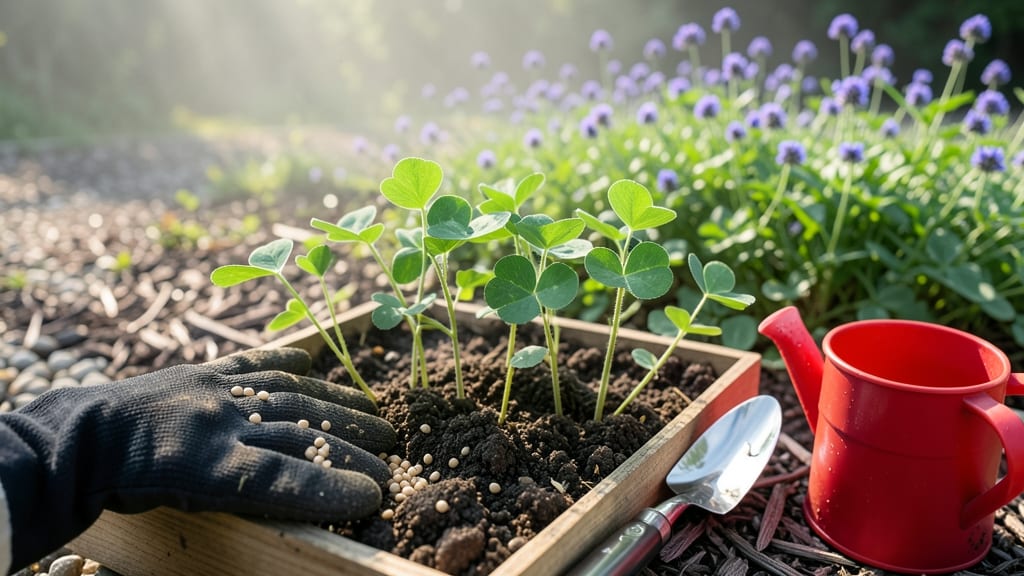
Planting alfalfa in Alabama at the wrong time can mean struggling with frost damage or stunted growth—even though this hardy perennial loves the state’s warm climate. The key to success lies in understanding your local frost dates and soil temperatures, which can vary dramatically between Alabama’s 7b-8a zones.
Most Alabama gardeners get the best results by planting alfalfa in early spring (March-April) or late summer (August-September), when soil temperatures hover between 50-60°F. This timing ensures seeds germinate quickly before summer heat sets in or winter frost arrives.
But here’s the catch: your exact planting window depends on whether you’re in northern Alabama (closer to 7b) or southern Alabama (8a). I’ll break down the ideal months for each zone so you can avoid common mistakes and maximize your yield.
Ready to plant? Let’s dive into the soil temperature rules, frost-free deadlines, and Alabama-specific tips that will help your alfalfa 🌱 thrive from the very first sprout.
Alabama alfalfa planting dates by Zone: frost-free deadlines & soil temperature rules
Alabama’s 7 distinct USDA zones (7b-8a) create unique planting windows for alfalfa, where soil temperature and last frost dates dictate success. Planting too early risks frost damage, while waiting too late can stunt growth before Alabama’s brutal summer heat sets in.
The ideal soil temperature for alfalfa seeds is 50-60°F, which typically aligns with March-April for spring planting.
For late-summer planting, aim for August-September when soil remains warm but humidity drops slightly. This second window helps avoid drought stress and fungal risks that peak in Alabama’s muggy summer months.
Always check your local frost-free deadline, which ranges from mid-March in Zone 8a to early April in Zone 7b.
| Zone | Last Frost Date | Ideal Planting Window | Soil Temp for Germination | Key Consideration |
|---|---|---|---|---|
| 7b (North AL) | Mid-April | Late April–Early May | 55-60°F | Higher frost risk; use row covers |
| 8a (Central AL) | Early April | March–April | 50-55°F | Best window for early growth |
| 8a (South AL) | Late March | February–March | 50-58°F | Early planting avoids summer drought |
| All Zones | N/A | August–September | 60-65°F | Avoids peak humidity/fungal risks |
In Zone 7b, where frosts linger longer, I recommend waiting until late April to plant alfalfa, even if soil warms earlier. Cold snaps in March can kill young seedlings, and alfalfa’s slow germination (10-21 days) means delays compound risks.
For Zone 8a, both spring (March) and fall (September) planting work well, but fall plantings need soil temps above 50°F to avoid winterkill.
Alabama’s humidity and heat also demand attention. Planting in late summer (August-September) lets alfalfa establish roots before winter, but avoid July plantings—the combination of 90°F+ soil and 90% humidity creates ideal conditions for seed rot.
Always test soil moisture before planting; alfalfa seeds need consistent moisture to germinate but hate soggy soil.
For container growing, adjust timing by 2-3 weeks earlier since pots warm faster. If you’re in Zone 8a and want a fall crop, plant by September 1st to ensure roots establish before first frost (mid-November).
Use a soil thermometer to confirm temps—below 50°F delays germination by weeks.
Pro tip: In southern Alabama (Zone 8a), I’ve had success with February plantings if you use black plastic mulch to warm soil. This isn’t recommended for northern zones, where March is safer. Always check Alabama A&M Extension’s frost maps for year-to-year variations.
Remember, alfalfa is a perennial, so first-year yields are minimal. Focus on root establishment in your planting window—this determines 3-5 years of forage production. If you’re planting for hay production, aim for spring plantings to maximize first-cutting yields before summer drought sets in.
🌱 For maximum yield, pair your planting date with soil testing—Alabama’s clay-heavy soils often need gypsum or compost to improve drainage. A pH of 6.5-7.5 is critical for alfalfa’s nitrogen-fixing bacteria to thrive.
How to adjust alfalfa planting for Alabama’s unpredictable weather patterns
Alabama’s weather can be as unpredictable as a summer thunderstorm—one day scorching hot, the next a surprise frost. This variability makes alfalfa planting timing tricky, but with the right adjustments, you can still achieve a thriving crop.
The key is flexibility: knowing when to delay planting, how to protect young seedlings, and when to adjust irrigation based on forecasts.
Late frosts in March or April are common in northern Alabama (Zone 7b), while southern Alabama (Zone 8a) may face unseasonable heat waves in early spring. Both scenarios can stress alfalfa seedlings if you’re not prepared.
I’ve planted alfalfa in both zones and learned that cover crops and row covers can be lifesavers during these transitions.
Here’s my go-to strategy: if your soil temperature drops below 50°F after planting, use black plastic mulch to warm the soil faster. Conversely, if a heatwave hits before seeds germinate, shade cloth (30-50%) can prevent soil from drying out too quickly.
These small tweaks make a huge difference in germination rates.
🌡️ Warning: Late Spring Frosts
Northern Alabama gardeners should avoid planting before mid-April unless you’re using row covers. A 28°F frost can kill young alfalfa seedlings overnight. Check the Alabama Cooperative Extension Service frost alerts for your county.
Drought is another Alabama wildcard. Alfalfa seeds need consistent moisture to germinate, but once established, they’re surprisingly drought-tolerant. I recommend drip irrigation or soaker hoses for the first 4-6 weeks after planting to keep soil evenly moist.
Overhead watering can spread diseases in humid Alabama summers, so avoid wetting foliage during germination.
For late summer plantings (August-September), watch for hurricane season risks. If a storm is forecasted, delay planting until after the threat passes. Alfalfa seeds won’t germinate well in waterlogged soil, and young plants can be uprooted by heavy rains.
A soil moisture sensor ($20 at garden centers) helps track when conditions are safe to plant.
Pro tip: Plant alfalfa in raised beds if your yard has heavy clay soil. This improves drainage and gives you more control over moisture levels. In my Zone 8a garden, raised beds let me plant alfalfa a full 2 weeks earlier in spring because the soil warms up faster.