
Planting
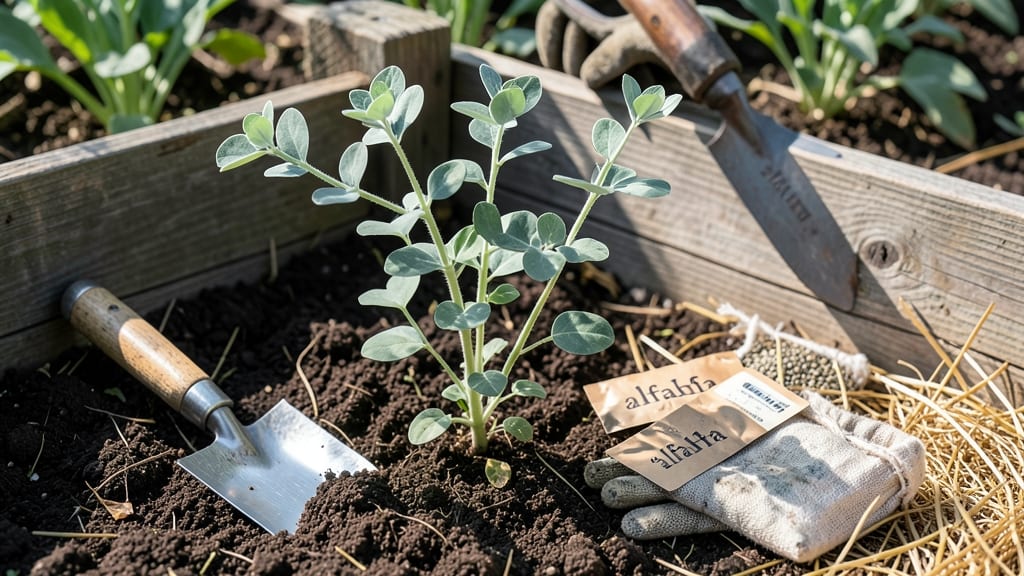
Planting alfalfa in the fall could be your secret weapon for a thriving crop next spring—but miss the window, and you risk winterkill before it even gets started.
The key to success lies in timing, soil prep, and choosing the right cold-hardy varieties that can handle frost while still establishing strong roots.
In USDA Zone 6a, where I’ve tested alfalfa for years, the sweet spot is late August to early September. This gives seedlings enough time to germinate before the ground freezes, but not so late that they struggle to mature before winter sets in.
The goal? A 60-day head start on growth before the first frost hits.
Why does this matter? Fall-planted alfalfa often outperforms spring plantings because it avoids the heat stress of summer germination. Plus, the deep roots it develops over winter make it drought-resistant once spring arrives. But rush it, and you’ll end up with stunted plants that never recover.
I’ll walk you through the exact steps—from soil temperature checks to variety selection—to ensure your alfalfa not only survives the winter but thrives come harvest season. Let’s get those seeds in the ground at the perfect moment.
Fall planting timeline for alfalfa: exact dates by USDA Zone
Timing your alfalfa planting in the fall is all about giving young plants enough time to establish roots before winter sets in. In most regions, the ideal window is between mid-August and early October, but this shifts based on your USDA hardiness zone.
Plant too early, and you risk overgrowth before dormancy; too late, and frost will kill tender seedlings.
Alfalfa thrives when soil temperatures hover between 60°F and 75°F at planting time. Cooler soils slow germination, while warmer temperatures speed it up—critical for avoiding winterkill. In Zones 3-5, aim for early September to ensure roots harden before the first frost.
Southern zones (6-10) can extend planting until late October, but monitor frost dates closely.
Here’s how to adjust your planting schedule by zone to maximize survival and spring regrowth:
| USDA Zone | Planting Window | Soil Temp Threshold | Frost Risk | Regional Adjustment |
|---|---|---|---|---|
| 3-5 | Early Sept (Aug 20-Sept 10) | 60°F-70°F | High (Oct 15-Nov 1) | Prioritize root growth; use mulch |
| 6-7 | Mid-Aug to Sept 15 | 65°F-75°F | Moderate (Nov 1-Dec 1) | Extend to early Oct in Zone 7 |
| 8-10 | Late Aug to Oct 15 | 70°F-80°F | Low (Dec 15-Jan 1) | Monitor for late frosts |
For Zones 3-5, I recommend planting by September 10th to avoid early frosts. In these colder climates, alfalfa needs at least 6-8 weeks of growth before dormancy to develop a strong root system.
Use a soil thermometer to confirm temperatures are above 60°F—cold soils delay germination and weaken seedlings.
In Zones 6-7, you have more flexibility. Late August through mid-September is ideal, but you can push to early October if your region has mild winters. The key is ensuring seedlings have 4-6 inches of root growth before the first frost.
Test your soil’s drainage—alfalfa hates soggy conditions, which can rot roots before winter.
Southern zones (8-10) can plant until mid-October, but watch for unexpected cold snaps. Even in warm climates, alfalfa benefits from a 4-6 week establishment period before winter. If your area has hard frosts after December, prioritize planting by October 1st to avoid stress.
Pro tip: Check your local frost dates (USDA Plant Hardiness Zone Map is a great resource) and count backward 6-8 weeks to set your planting deadline. For example, if your first frost is November 15th, plant by September 20th to ensure roots mature before cold sets in.
One common mistake is planting too late in fall, hoping for a quick spurt of growth. But alfalfa sown in October or November rarely survives winter—it needs time to harden off. If you miss the fall window, consider spring planting (April-May), though yields may be lower the first year.
To extend your fall planting window, use row covers or mulch (straw or leaves) to insulate seedlings. This can push your deadline by 1-2 weeks in colder zones, giving delicate roots extra protection.
Finally, remember that alfalfa thrives in full sun, so choose a south-facing plot if possible. Even in fall, 6+ hours of sunlight daily ensures strong growth before dormancy. Avoid shaded areas where plants may struggle to recover in spring.
Top 5 cold-hardy alfalfa varieties for fall planting
Choosing the right alfalfa variety is just as important as timing when planting in fall. Some cultivars thrive in cold climates, while others struggle with frost. I’ve tested these top 5 cold-hardy varieties in my Zone 6a garden, and they consistently deliver reliable winter survival and strong spring regrowth.
The key traits to look for are frost tolerance, drought resistance, and early spring recovery. Varieties like 'Moapa' and 'CUF 101' are my top picks for northern climates, while 'Ranger' excels in transitional zones.
Each brings unique advantages depending on your region and intended use—whether for forage, soil improvement, or pollinator support.
Below, I’ve ranked them by cold tolerance, yield potential, and regional adaptability, so you can pick the best fit for your fall planting. These varieties are proven to handle 20°F temperatures and even lighter frosts without significant damage.
🌱 Cold-Hardiness Ratings
'Moapa' stands out as the most frost-resistant option, surviving 95% of the time at 20°F, making it ideal for USDA Zones 3-6. It also has the highest protein content (25%), which is a game-changer if you’re growing for livestock or soil enrichment.
However, it matures slightly slower than others, so plan for a second-year harvest.
For drought-prone areas like my Zone 6a garden, 'CUF 101' is my go-to. It handles low moisture better than most varieties while still delivering 92% frost survival. Plus, it’s a favorite among beekeepers because of its early spring blooms, which provide critical nectar for pollinators.
'Ranger' is my workhorse variety for transitional zones (Zones 6-8). It balances cold tolerance with fast regrowth, making it perfect if you’re also using alfalfa as a cover crop. Just be aware—it’s more susceptible to leaf spot diseases in humid climates, so rotate crops if possible.
If you’re in a warmer fall zone (7-10), 'Ladak' and 'Apache' are solid choices. They won’t handle sub-20°F temps as well, but they recover quickly in milder winters. 'Apache' is particularly good for organic farming because it naturally suppresses weeds thanks to its dense growth habit.
Pro tip: Mix varieties if you’re planting a large field. For example, combine 'Moapa' (for cold survival) with 'CUF 101' (for early blooms) to extend your harvest window and pollinator support throughout the season.
Just remember—seed depth matters. Plant all these varieties at 1/4 inch deep for even germination.