
Plants
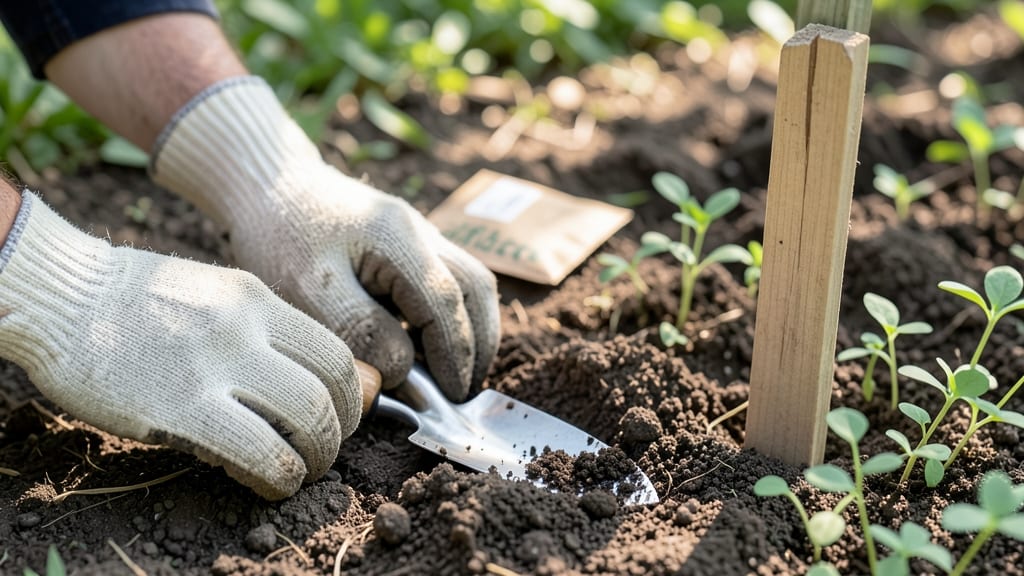
Planting alfalfa at the wrong time in spring can leave you staring at bare soil instead of a thriving crop—this cool-season legume 🌱 needs precise timing to succeed.
Unlike heat-loving plants, alfalfa germinates best when soil temperatures hover between 40°F and 50°F, making early spring the sweet spot before summer’s heat sets in.
In USDA Zone 6 (where last frost typically arrives around April 15), aim to sow seeds 4–6 weeks before your final frost date—usually late March to early April. Planting too early risks frost damage, while waiting too long may stress seedlings before they establish roots.
Here’s the game-changer: pre-sprouting seeds indoors in colder northern regions can shave weeks off germination time. Once your soil warms to 50°F, transplant seedlings or direct-sow seeds ¼–½ inch deep for optimal growth.
With the right timing, you’ll reap a nitrogen-rich harvest ready for late summer—no wasted effort. Let’s break down exactly how to nail your planting window for a bountiful alfalfa patch.
Optimal spring planting windows for alfalfa by USDA hardiness Zones
Alfalfa (Medicago sativa) loves cool weather, but planting it at the wrong time can lead to poor germination or frost damage. The key is aligning your spring planting window with your USDA hardiness zone and soil temperature thresholds.
For most regions, aim to plant when daytime temperatures consistently reach 50–60°F—this ensures strong seedling growth without heat stress.
In USDA Zones 3–5, where frosts linger longer, start seeds indoors 4–6 weeks before your last frost date or plant directly in early April.
Warmer zones like Zones 6–8 can safely sow seeds outdoors in March or early April, but avoid planting too early—cold, wet soil can rot seeds before they sprout.
Here’s a quick breakdown of ideal planting windows by zone to help you time it perfectly:
| Zone | Last Frost Date | Ideal Planting Window | Soil Temp Threshold |
|---|---|---|---|
| 3–4 | Mid-May | Early April (indoors) or late April (outdoors) | 45–50°F |
| 5 | Early May | Mid-April (outdoors) or March (indoors) | 48–52°F |
| 6 | Mid-April | Late March–early April | 50–55°F |
| 7–8 | Early March | February–March (direct sow) | 55–60°F |
Pro tip: Use a soil thermometer to confirm temperatures—alfalfa seeds need consistent warmth to sprout reliably. If your soil is still below 45°F, wait a few weeks or use a cold frame to protect young seedlings from late frosts.
For northern climates (Zones 3–5), consider succession planting every 2–3 weeks in late spring to extend your harvest window. This works because alfalfa’s 100–120-day maturity aligns well with shorter growing seasons.
If you’re in a warmer zone (Zones 9–10), plant in late winter (January–February) to avoid summer heat stress. Alfalfa struggles when temperatures exceed 85°F, so timing your crop to mature before peak summer is critical.
One common mistake is planting alfalfa too early in Zone 6 or colder—seeds may rot in cold, wet soil. Conversely, planting too late (after May 1) risks bolting (premature flowering), which toughens the shoots and reduces quality. Balance is key!
After planting, maintain even moisture and mulch with straw or grass clippings to keep soil temperatures stable. This helps seedlings establish roots quickly, setting the stage for a lush, nitrogen-rich forage crop by midsummer.
Remember: Alfalfa is a perennial in many zones, so getting the timing right in its first year ensures long-term success. With the right spring planting window, you’ll enjoy tender shoots for 3–5 years with minimal replanting.
Optimal spring planting windows for alfalfa by USDA hardiness Zones
Alfalfa is a cool-season crop that thrives when planted at the right time in spring. The key is balancing soil temperature (aim for 40–50°F) with the last frost date in your zone.
Planting too early risks frost damage, while waiting too long can lead to poor germination in hotter conditions. Let’s break it down by USDA hardiness zones to find your perfect window.
For Zones 3–5, your best bet is late April to early May, once the soil warms to at least 50°F. In Zones 6–8, you can start as early as mid-March in milder areas or wait until mid-April in cooler pockets.
Southern gardeners in Zones 9–11 can plant in February for a fall harvest, but focus on spring planting in March for summer growth.
| USDA Zone | Last Frost Date | Ideal Planting Window | Soil Temp Threshold | Notes |
|---|---|---|---|---|
| 3–5 | Mid-April to early May | Late April–early May | 50°F+ | Wait for consistent warmth; cover seedlings if frost threatens. |
| 6–8 | Mid-April | Mid-March–April | 45–50°F | Early planting works in milder microclimates; monitor soil temps. |
| 9–11 | Late January | February–March | 55–60°F | Focus on spring for summer harvests; avoid summer heat stress. |
If you’re in a transition zone (e.g., Zone 6b with unpredictable frosts), consider staggered planting. Sow a small batch in late March and another in mid-April to hedge your bets. This ensures at least one batch survives, even if early seeds get nipped by frost.
Pro tip: Use a soil thermometer to confirm readiness. Alfalfa seeds need consistent warmth to sprout—if your soil dips below 40°F, germination slows dramatically. In cooler zones, black plastic mulch can warm the soil by 5–10°F, speeding up growth.
Once planted, maintain even moisture for the first 3–4 weeks to prevent crusting. Alfalfa’s deep roots mean it’s drought-tolerant once established, but seedlings need consistent hydration to thrive. Aim for 1–1.5 inches of water per week, delivered in the morning to reduce evaporation.