
Plants
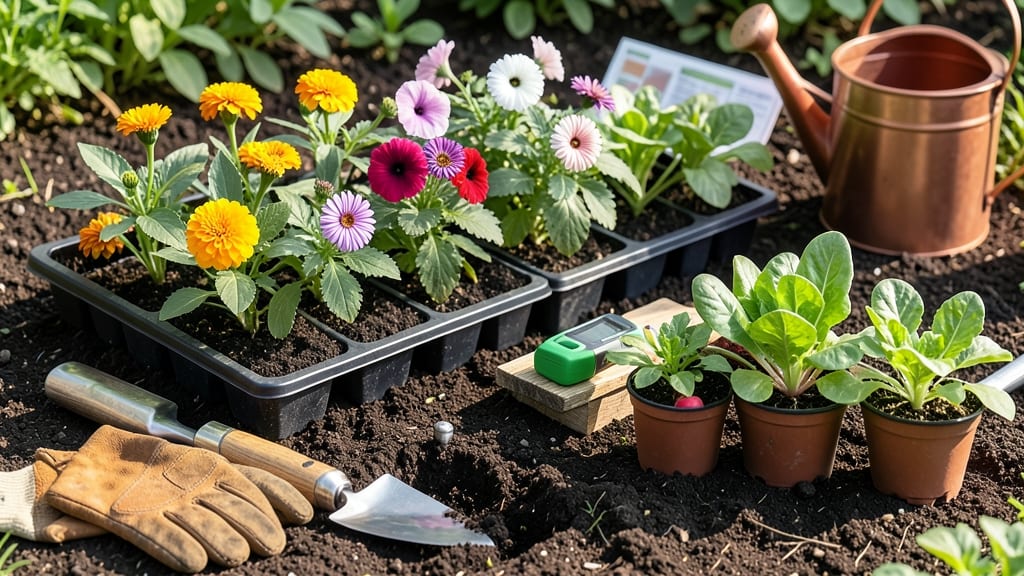
To plant annuals in Virginia without risking frost damage, timing is everything—because those last frost dates can shift dramatically between the mountains and the coast. Whether you're in USDA Zone 5a or Zone 8a, getting it wrong means wilting blooms or stunted growth before you even see color.
I’ve spent years tracking Virginia’s microclimates, and the difference between a thriving garden and a sad, frost-nipped one often comes down to just a few weeks. Urban heat islands?
Plant earlier. Coastal areas? Push it later. The key is knowing your local patterns—and I’ll break it down so you can avoid common mistakes that even experienced gardeners make.
What you’ll discover here is a simple, region-specific timeline that accounts for Virginia’s diverse frost risks. From heat-loving zinnias to cool-season cosmos, we’ll cover the best annuals for your area and exactly when to get them in the ground. No more guessing—just vibrant, long-lasting blooms from spring through fall.
Ready to transform your garden? Let’s dive into the exact planting windows that’ll give your annuals the best shot at success, no matter where you are in the state. Your future flowers will thank you!
Virginia’s annual planting zones: frost dates by region (2024 update)
Virginia’s diverse geography—from the Blue Ridge Mountains to the Tidewater coast—creates wildly different frost dates. In USDA Zone 5a (mountain regions like Roanoke), the last spring frost typically arrives around April 15, while Zone 8a (southern Virginia, like Norfolk) can plant as early as March 1.
These variations mean your annual flowers or vegetable starts could face frost if planted at the wrong time.
To avoid frost damage, I recommend checking your local Virginia Cooperative Extension frost data or using the National Weather Service’s frost prediction tools. For most gardeners, the safe planting window opens 2-4 weeks after the average last frost date—so don’t rush!
Patience here means healthier roots before summer heat arrives.
Here’s the breakdown you need to adjust your planting schedule:
| Region | USDA Zone | Avg. Last Frost | Avg. First Frost | Safe Planting Window |
|---|---|---|---|---|
| Northern VA (Roanoke, Staunton) | 5a-6a | April 15 | October 30 | May 1 - June 15 |
| Central VA (Richmond, Charlottesville) | 7a-7b | March 25 | November 10 | April 15 - July 1 |
| Southern VA (Norfolk, Virginia Beach) | 8a | March 1 | December 1 | February 15 - August 15 |
| Valleys (Shenandoah, Appalachian) | 6b | April 22 | October 15 | May 10 - June 30 |
Pro tip: Use row covers or cold frames to extend your planting window by 2-3 weeks in Zone 5a-6a. I’ve successfully grown marigolds and pansies in April with these tools—just remove them once nighttime temps stay above 40°F.
For coastal Virginia, the ocean’s moderating effect means earlier planting (sometimes as early as February for heat-loving annuals like petunias). But inland areas near mountains can experience late frosts even after Memorial Day—so always check your microclimate.
If you’re unsure, err on the side of delaying. A two-week delay can save your annuals from a late frost and ensure stronger growth once summer arrives. My zinnias always thrive when planted in late May instead of April.
Remember: Soil temperature matters just as much as air temperature. Use a soil thermometer to confirm it’s at least 60°F before planting warm-season annuals like tomatoes or peppers. Cold soil slows germination and invites damping-off disease.
For cool-season annuals (like lettuce or pansies), you can plant as early as February in Zone 8a or March in Zone 7a. But in Zone 5a, wait until late April to avoid frost damage.
🌱
How to adjust planting timing for Virginia’s microclimates (urban vs. rural vs. coastal)
Virginia’s diverse geography means your last frost date can vary by weeks—even within the same county. Urban heat islands in Richmond or Norfolk may warm up 2-3 weeks earlier than rural areas, while mountain valleys like Roanoke often experience delayed springs.
Coastal regions near Virginia Beach enjoy milder winters, extending your planting window by 4-6 weeks.
To pinpoint your exact timing, start by identifying your microclimate type. Check local weather stations for historical frost data—the Virginia Tech Extension offers free tools to compare your neighborhood’s patterns. If you’re unsure, observe nearby trees: cherry blossoms typically bloom 2 weeks before safe planting in most zones.
🌱
- 🏙️ Urban Areas: Plant 2-3 weeks earlier than official frost dates. Asphalt and buildings trap heat, raising soil temps by 5-10°F.
- 🏔️ Mountain Valleys: Delay planting by 1-2 weeks. Cold air sinks into valleys, creating later frost risks even in May.
- 🌊 Coastal Regions: Extend season by 4-6 weeks. Ocean breezes moderate temps, allowing earlier springs and later falls.
- 🌳 South-Facing Slopes: Plant 1 week earlier. These areas warm 2-3°F faster than flat ground.
- 🌾 North-Facing Yards: Wait 1 week longer. Shade delays soil warming by 10-15°F.
For heat-sensitive annuals like cosmos or snapdragons, urban gardeners can start seeds indoors 4-6 weeks before the last frost date. In contrast, mountain gardeners should wait until after Mother’s Day (around May 10-15) to avoid late frosts.
Coastal gardeners near Norfolk can often plant marigolds or zinnias as early as March 15 without risk.
Test your soil temperature with a soil thermometer—most annuals thrive when soil reaches 60-65°F. If your yard’s microclimate runs cold, opt for cold-hardy annuals like pansies or sweet alyssum, which tolerate 28-32°F temps. For heat lovers, Mexican sunflower or celosia handle 90°F+ better than petunias.
🌿
Create a microclimate planting schedule by combining your region’s frost dates with local adjustments. For example, a Northern Virginia suburbanite (Zone 7b) might plant warm-season annuals on April 20, while a Southwest Virginia mountaineer (Zone 6b) waits until May 5.
Use frost-sensitive annuals like impatiens or geraniums as your canary in the coal mine—if they survive, your other plants likely will too.