
Plants
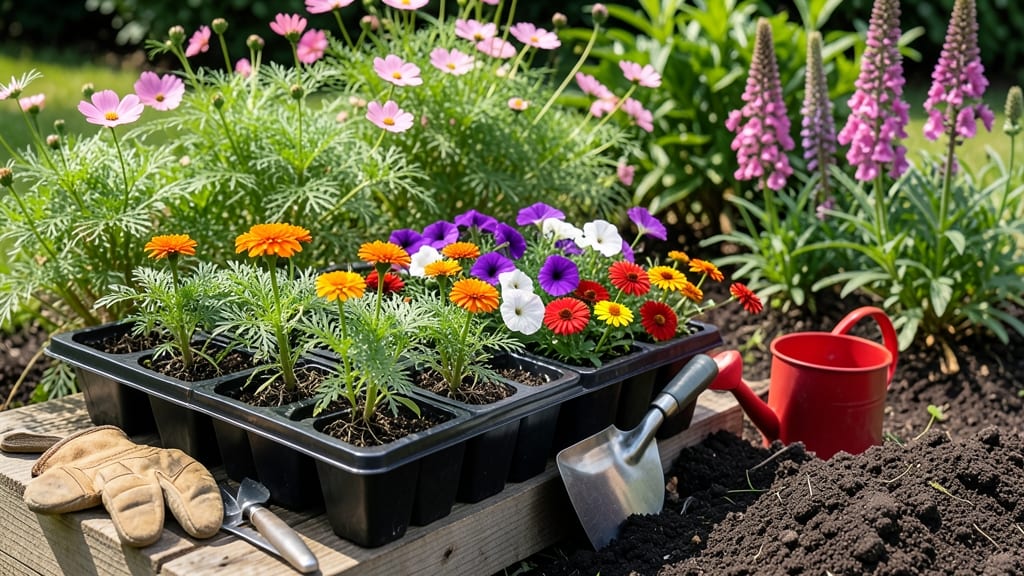
Planting annuals in Zone 7 at the wrong time means either battling frost or watching your flowers wilt before they even bloom.
The key to vibrant gardens lies in understanding the exact weeks before frost that work best for your region—because a 2-week difference can mean the difference between a showstopping display and a sad, stunted mess.
I’ve tested this myself over years of gardening in Zone 7, and the timing isn’t just about the calendar—it’s about soil temperature, microclimates, and whether you’re growing cool-season favorites like pansies or heat-loving marigolds.
Too early, and frost zaps your seedlings; too late, and your blooms never reach their full potential. Let me show you how to nail the perfect planting window for your specific annuals, so you can enjoy months of color instead of disappointment.
We’ll break down the average frost dates for Zone 7, including how cities like Raleigh and Richmond differ, and which annuals thrive when planted 6–8 weeks before last frost versus those that need a later start.
You’ll also learn how to adjust for slow starters like sunflowers or fast growers like zinnias—so every plant gets the head start it needs.
Ready to transform your garden? By the end, you’ll know not just when to plant, but why—and how to avoid the most common mistakes that turn beautiful annuals into a gamble. Let’s get those 🌱 seeds in the ground at the right time!
Zone 7 frost dates and ideal planting windows for annuals
In Zone 7, your annual flowers and vegetables thrive when planted at the perfect moment—just a few weeks too early or late can spell disaster for your blooms. The key is understanding your last frost date and adjusting for cool-season vs. warm-season plants.
For most of Zone 7, the average last frost date falls between March 15 and April 15, while the first frost arrives around November 15 to December 15. These dates shift slightly between Zone 7a (colder) and Zone 7b (warmer).
For cool-season annuals like pansies, snapdragons, and lettuce, aim to plant 4–6 weeks before your last frost date. These hardy beauties can handle light frosts and even 32°F temperatures once established.
Meanwhile, warm-season annuals such as marigolds, zinnias, and basil need to wait until the soil reaches at least 60°F—typically 2–4 weeks after your last frost. Soil thermometers are your best friend here!
Here’s the breakdown for your Zone 7 planting windows, including regional adjustments for cities like Richmond, VA, Raleigh, NC, and St. Louis, MO. Use this as your roadmap to peak blooms and bumper harvests.
| Plant Type | Zone 7a (Colder) | Zone 7b (Warmer) | Soil Temp | Notes |
|---|---|---|---|---|
| Cool-Season Annuals | March 1–April 1 | March 15–April 15 | 45–55°F | Pansies, Kale, Lettuce |
| Warm-Season Annuals | April 15–May 1 | April 1–April 15 | 60–70°F | Tomatoes, Petunias, Basil |
| Heat-Tolerant Annuals | May 15–June 1 | May 1–May 15 | 70°F+ | Zinnias, Sunflowers, Okra |
| Fall Plantings | August 15–September 15 | September 1–15 | 55–65°F | Cosmos, Marigolds, Spinach |
If you’re in a coastal Zone 7 area like Richmond, VA, expect slightly milder winters, so you can push your cool-season plantings a week or two earlier. Inland cities like St. Louis, MO, however, may need to delay warm-season plants by 1–2 weeks to avoid late frosts.
Always check your local Almanac’s frost calendar for the most precise dates.
Pro tip: For long-blooming annuals like cosmos or snapdragons, consider staggered plantings every 2–3 weeks to extend your color show. This works especially well in Zone 7b, where summers are longer. Just be sure to harden off seedlings properly before transplanting to avoid shock.
Don’t forget about container gardening if your yard has microclimates! Containers warm up faster in spring, so you can plant warm-season annuals 1–2 weeks earlier than in-ground beds. Just ensure your pots have drainage holes and use lightweight potting mix to prevent overheating.
For heat-sensitive annuals like basil or impatiens, watch for 3-day heatwaves above 90°F—these can stress young plants. Provide afternoon shade with shade cloth or plant near taller perennials until they establish roots. In Zone 7a, this is especially critical in June and July.
Finally, mark your calendar for fall plantings! Many cool-season annuals thrive when sown in late summer, giving them time to mature before winter. Aim for August 15–September 15 in Zone 7a and September 1–15 in Zone 7b. This is your chance to enjoy <
How to adjust planting times for faster or slower-growing annuals
Not all annuals grow at the same speed, and that means their planting windows need to adjust too. Fast growers like zinnias can go straight into the ground 4–6 weeks before last frost, while slower varieties like sunflowers need a 10–12 week head start—either indoors or in a protected microclimate.
I’ve learned this the hard way: planting sunflowers too late in Zone 7 means they’ll barely reach 2 feet before frost hits.
To maximize your bloom time, I recommend staggered planting for long-season flowers like cosmos. Start a batch 8 weeks before last frost, then follow up with another batch 4 weeks later to extend your display into fall.
This trick works especially well for heat-tolerant annuals like marigolds, which can handle late starts but still need time to establish roots before summer’s intensity.
For herbs and edible annuals, succession planting is key. Basil, for example, bolts quickly in Zone 7’s heat, so I plant a new batch every 2–3 weeks from late spring through early summer.
This ensures a steady harvest instead of one massive flush that fades fast. Even non-edible annuals benefit—try planting nasturtiums in two waves: the first for early spring color, the second for late-summer blooms.
- Zinnias – Bloom in 60–70 days; plant late spring for summer color.
- Marigolds – Thrives with short days; start after soil warms (50°F+).
- Cosmos – Self-seeds easily; stagger plantings for continuous blooms.
- Petunias – Needs warm soil (60°F+); plant after frost risk.
- Snapdragons – Biennial habit; start early for fall blooms.
- Nasturtiums – Edible and fast; succession plant for harvests.
- Sunflowers – Giant varieties need long growing season.
- Dahlias – Tubers need warm soil; start indoors early.
- Hollyhocks – Biennial; plant late summer for next year’s blooms.
Heat tolerance also plays a role. In Zone 7, warm-season annuals like celosia or portulaca can wait until after Memorial Day (around May 20–30), when nighttime temps stay above 55°F.
But cooler-loving pansies or sweet alyssum must go in 4–6 weeks before last frost—or they’ll bolt or rot in summer’s heat.
Pro tip: Use a soil thermometer to check when soil hits 60°F for warm-season plants or 50°F for cool-season ones. This beats guessing by calendar dates.
I’ve had marigolds fail because I planted them too early in Zone 7a (colder sub-zone), while the same variety thrived in Zone 7b with a slightly later start.
Finally, don’t overlook fall planting for annuals like kale or pansies. These can handle light frosts and often bloom more vigorously in cooler weather. Aim for 6–8 weeks before first frost (usually late August–early September in Zone 7), and you’ll have a second showstopping season of color.