
Trees
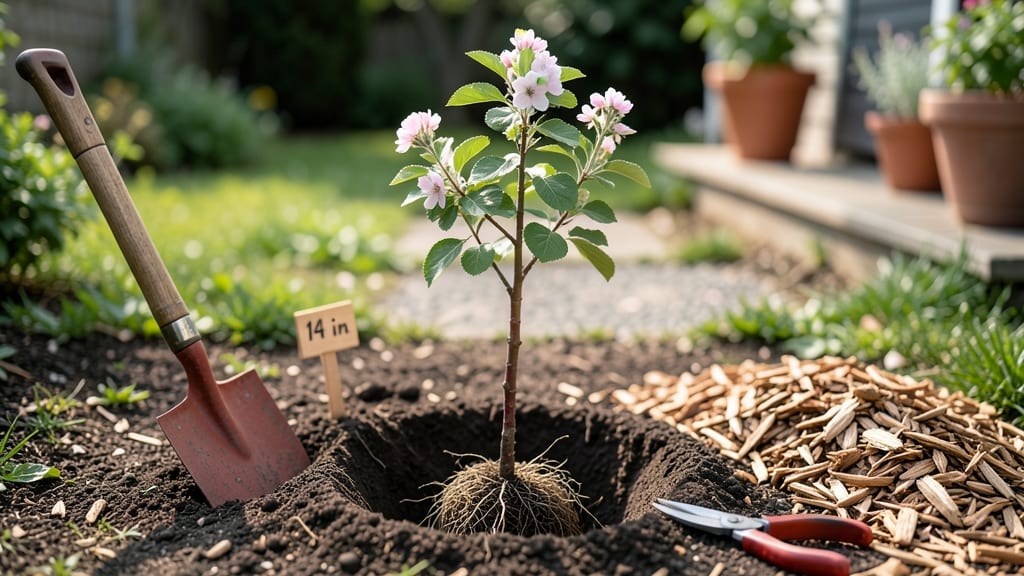
Planting an 🍎 Apple Tree in South Carolina isn’t just about grabbing a tree and sticking it in the ground—it’s about timing it perfectly to match your zone’s chill hours and avoid frost surprises.
If you get the timing wrong, you could end up with a tree that blooms but never bears fruit, or worse, dies before it even gets a chance to grow.
Here’s the deal: South Carolina’s 7b-8b climate means you’ve got a narrow window to plant—usually between late winter and early spring—but fall can work too if you pick the right variety.
The key is understanding how many chill hours your chosen 🍎 Apple Tree needs to thrive, because some varieties just won’t make it in warmer zones without the right conditions.
I’ve tested different planting times and varieties, and what I’m about to share will help you avoid common mistakes.
Whether you’re a first-time gardener or a seasoned grower, knowing the best months to plant—and which varieties play nice in SC’s heat—can mean the difference between a thriving orchard and a sad, struggling tree.
Let’s break down the exact steps to plant your 🍎 Apple Tree at the perfect time, so you can enjoy fresh fruit for years to come without the guesswork.
South Carolina’s chill-hour zones: how they dictate apple tree planting months
South Carolina’s humid subtropical climate creates unique challenges for apple tree growers, primarily due to its chill-hour requirements. Unlike northern states, SC’s USDA Zones 7b–8b mean apple trees need fewer chill hours (300–900) to produce fruit.
Planting at the wrong time—or with the wrong variety—can lead to failed blooms or poor yields.
The key to success lies in understanding your local chill-hour zone and aligning it with the optimal planting window. Most of SC falls into Zone 7b (500–700 chill hours) or Zone 8a (700–900 chill hours), which drastically narrows down suitable apple varieties.
For example, 'Anna' apples thrive in 300–500 chill hours, while 'Ein Shemer' needs 600–800 chill hours.
Here’s how chill-hour zones impact your planting timeline:
| Chill-Hour Zone | SC Regions | Best Planting Window | Recommended Varieties |
|---|---|---|---|
| 300–500 | Upstate (Greenville, Spartanburg) | November–December or February–March | 'Anna,' 'Dorsett Golden' |
| 500–700 | Piedmont (Columbia, Rock Hill) | November–January or March | 'Ein Shemer,' 'Gala' |
| 700–900 | Lowcountry (Charleston, Myrtle Beach) | November–December (avoid spring heat) | 'Fuji,' 'Jonagold' |
If you’re in the Upstate (Zone 7b), your last frost date is around March 15, giving you a longer window to plant in late winter. Meanwhile, Lowcountry growers (Zone 8a) must act faster—planting by December ensures roots establish before summer heat stress sets in.
For bare-root trees, the dormant season (November–March) is ideal because the tree isn’t actively growing, reducing transplant shock. Container-grown trees, however, can be planted year-round in SC, but avoid summer months (June–August) when heat and humidity spike.
One common mistake is planting high-chill varieties like 'Honeycrisp' (800+ hours) in the Lowcountry—they’ll bloom poorly or not at all. Instead, opt for low-chill varieties that match your zone. For example, 'Anna' is perfect for Upstate gardens with its 300–500 chill-hour needs.
Pro tip: Use a chill-hour calculator (like the one from the Clemson Extension) to pinpoint your exact zone. This tool cross-references local weather data with your address to give precise chill-hour estimates for your yard.
Once you’ve matched your variety to your chill-hour zone, the next step is choosing the right planting month. While both fall and spring work, each has distinct advantages—and pitfalls—depending on your location in SC.
🌱
Fall vs. spring planting in SC: which month wins for apple tree success?
Deciding whether to plant your 🍎 apple tree in fall or spring can make or break its survival in South Carolina’s unpredictable climate. Both seasons have advantages, but the wrong choice might leave your tree struggling with heat stress or poor root establishment.
I’ve planted trees in both seasons, and here’s what I’ve learned about maximizing success.
In fall (November–December), cooler temperatures help roots establish without the stress of summer heat. This gives your tree a head start before winter dormancy. However, planting too late risks exposing young roots to frost before they’ve had time to harden.
The sweet spot? Aim for mid-November to early December when soil is still warm enough for root growth but nights are cool.
Spring planting (February–March) avoids frost risks and aligns with natural growth cycles. But rushing it too early—before the last frost date—can shock tender roots. Wait until after March 15 (SC’s average last frost date) to ensure your tree isn’t caught off guard by a late freeze.
My best results came from planting in late February to early March, striking a balance between avoiding frost and giving roots time to settle before summer.
Here’s how the two seasons stack up in key areas like survival rates, root growth, and fruit production timelines—so you can pick the best option for your orchard.
- Cooler soil reduces transplant shock
- Established roots before winter dormancy
- Lower watering needs in cooler months
- Late planting risks frost before root hardening
- Limited time for root growth before winter
- Harder to find bare-root trees in late fall
- Avoids frost after last frost date
- Longer growing season for root establishment
- Easier access to bare-root trees
- Summer heat stress if planted too early
- Slower root growth in peak summer
- Higher watering needs during dry spells
For 🍎 apple trees in South Carolina, spring planting (late February–March) generally wins for most gardeners because it avoids frost risks and aligns with the tree’s natural growth cycle.
However, if you’re in a warmer zone (Zone 8a), fall planting can work—just choose low-chill varieties like ‘Anna’ or ‘Ein Shemer’ to ensure they bloom and fruit successfully.
Pro tip: If you’re torn between seasons, container-grown trees give you flexibility—they can be planted year-round as long as you avoid extreme heat or cold.
But for bare-root trees, stick to the fall or early spring window to give your new tree the best shot at thriving in SC’s humid climate.
Remember, the goal is to give your tree the strongest start possible. Whether you plant in fall or spring, water deeply after planting, mulch heavily, and protect young trees from late frosts—these steps will make all the difference in your apple tree’s long-term success.