
Plants
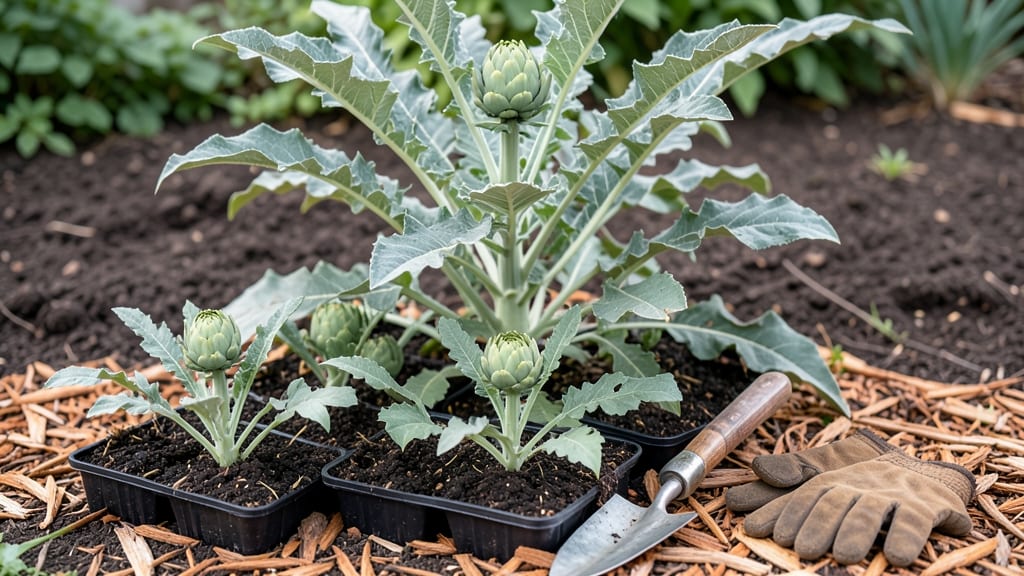
Planting artichokes in Texas isn't just about throwing seeds in the dirt—it's about beating the clock between frost and scorching summer heat. The perfect window for your 🌱 artichoke starts in October and stretches through March, but timing varies wildly from North to South Texas.
Why does this matter? Because artichokes are frost-sensitive but also hate the brutal Texas summers. Get it wrong, and you'll either lose your plants to cold snaps or watch them wilt under 100°F+ temperatures. The key is knowing your heat zone and adjusting your schedule accordingly.
I've grown artichokes in both Zone 8a and Zone 10a, and the difference in planting windows is dramatic. In North Texas, you might start seeds indoors by November, while South Texas gardeners can plant directly in the ground as early as October.
Let me show you exactly how to time it right for your specific corner of the Lone Star State.
Whether you're a backyard gardener in Austin or a small-farm operator in El Paso, these Texas-specific strategies will help you avoid common pitfalls and maximize your harvest. Ready to grow artichokes that thrive despite Texas' extreme weather? Let's get started.
Texas heat Zone planting deadlines for artichokes by region
Artichokes thrive in Texas’s cooler months, but the exact timing depends on your USDA heat zone. North Texas gardeners (Zones 8a-8b) face earlier frost risks than South Texas (Zones 9a-10a), so planting windows shift dramatically.
For example, Dallas gardeners should plant by mid-October, while Houston gardeners can wait until November—but never after March, or the summer heat will stress plants.
Texas’s frost-free period (210–300 days) creates a narrow window for artichokes. Plant too early, and frost zaps seedlings; too late, and 100°F+ heat stunts growth. The key is aligning your planting with soil temperatures (ideal: 60–70°F) and last frost dates, which vary by 5–6 weeks across the state.
🌱 Did You Know? Texas’s West Texas zones (9b-10a) have no frost, but artichokes still need cool-season conditions. Gardeners in Amarillo or Midland can plant as late as January, while El Paso may extend planting to February—but harvest before April’s heat wave.
| Texas Region | USDA Zone | Last Frost Date | Planting Window | Harvest Window |
|---|---|---|---|---|
| North Texas (Dallas, Fort Worth) | 8a-8b | Nov 15 | Oct 1–Nov 15 | Mar 1–Apr 15 |
| Central Texas (Austin, San Antonio) | 8a-9a | Dec 1 | Oct 15–Dec 1 | Mar 15–May 1 |
| East Texas (Houston, Tyler) | 8b-9a | Dec 15 | Nov 1–Dec 15 | Mar 15–May 10 |
| South Texas (Corpus Christi, Brownsville) | 9a-10a | Jan 15 | Nov 15–Jan 15 | Apr 1–May 30 |
| West Texas (El Paso, Lubbock) | 8b-9b | Jan 1 | Oct 15–Jan 15 | Mar 15–Apr 30 |
For urban gardeners in cities like Austin or San Antonio, microclimates matter. Areas near creeks or lakes stay cooler, extending the planting window by 2–3 weeks. Conversely, heat islands in downtown areas may require shade cloth or earlier planting to avoid heat stress.
Artichokes need 90–120 days to mature, so North Texas gardeners should aim for October sowing to harvest by March. In South Texas, where frost is rare, November–January planting works best, but avoid summer heat—temperatures above 90°F cause buds to bolt or rot.
If you miss the fall window, try container gardening to move plants to shade during summer. Greenhouse growing also extends the season, but ventilation is critical—artichokes wilt quickly in stifling heat.
My Houston garden once produced 20 artichokes by planting in December and using 50% shade cloth in April.
Pro tip: Use a soil thermometer to confirm 60°F+ soil temps before planting. Cold soil delays germination, and artichoke seeds need warmth to sprout reliably. In North Texas, wait until after Thanksgiving for direct sowing; in South Texas, November 1 is ideal
Texas heat Zone planting deadlines for artichokes by region
Texas spans USDA Zones 8a-10a, creating dramatic differences in frost risk and summer heat. In North Texas (Zone 8a), your last frost typically arrives around November 15, while South Texas (Zone 10a) rarely sees frost before January 15.
These differences mean your planting window shifts by 6-8 weeks depending on where you garden.
For fall planting (the preferred method in Texas), aim to have transplants in the ground 6-8 weeks before your last frost date. This means starting seeds indoors by September in North Texas or direct-sowing as early as October in South Texas.
Spring planting is risky—artichokes struggle with Texas' 90°F+ temperatures—so focus on fall for best results.
Here’s the exact planting timeline broken down by Texas region, including soil temperature requirements and key deadlines:
| Texas Region | USDA Zone | Last Frost Date | Ideal Planting Window | Soil Temp for Germination |
|---|---|---|---|---|
| North Texas (Dallas, Fort Worth) | 8a | Nov 15 | Sept 15 - Oct 31 (indoors/outdoors) | 60-65°F |
| Central Texas (Austin, San Antonio) | 8b-9a | Dec 1 | Oct 1 - Nov 15 (direct sow) | 65-70°F |
| South Texas (Houston, Corpus Christi) | 9a-10a | Jan 15 | Oct 15 - Dec 15 (direct sow) | 70-75°F |
| West Texas (El Paso, Lubbock) | 7b-8a | Nov 1 | Sept 1 - Oct 15 (indoors) | 55-60°F |
Pro tip: Use a soil thermometer to confirm your soil is warm enough for germination. Artichokes won’t sprout in cold soil—wait until temperatures hit 60°F+ for North Texas or 70°F+ for South Texas.
In Zone 10a, you can even plant as late as December and still get a harvest before summer heat sets in.
If you’re in Zone 8a or higher, also consider fall vs. spring planting. Spring-planted artichokes in Texas often bolt (go to seed) before producing edible buds due to the heat. Fall planting gives you a 3-4 month growing window before summer arrives, ensuring larger, more tender artichokes.
For urban gardeners in containers, start seeds indoors by September (regardless of zone) and transplant into 12-inch pots by October. Containers warm up faster in the sun, so monitor soil moisture closely—artichokes in pots dry out 3x faster than in-ground plants.
Remember: The earlier you plant, the longer your growing season before Texas heat shuts down production. But don’t rush—artichokes need 90-120 days to mature, so time it right to avoid summer stress. 🌱