
Planting
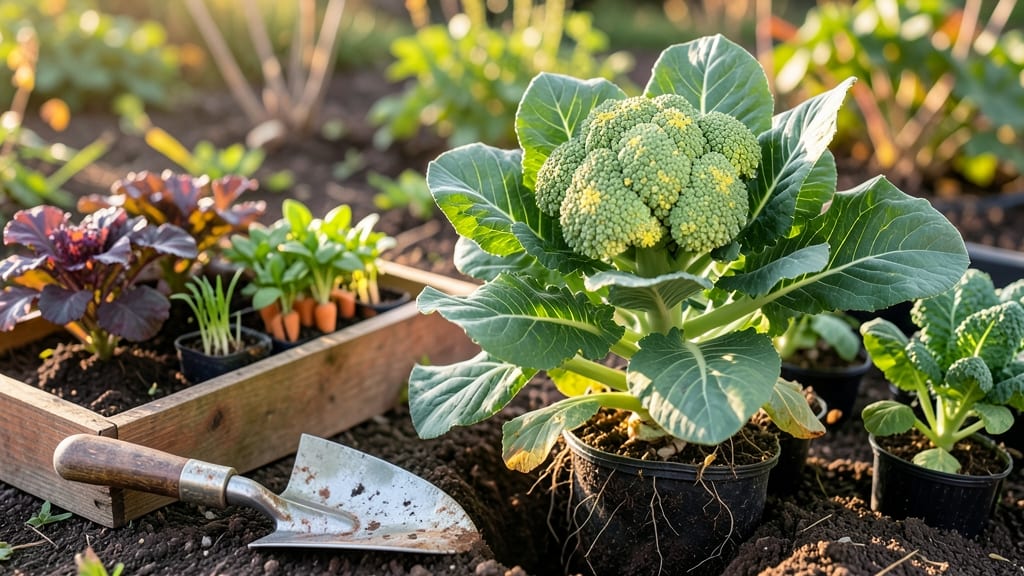
When to plant a fall garden in North Texas means the difference between a bountiful harvest and wasted effort. Plant too early, and your seedlings will wilt under August’s relentless heat; too late, and frost will nip your crops before they mature. The key is knowing exactly when to start—typically 6-8 weeks before your area’s first frost, which for most of North Texas lands in mid-November.
This isn’t just about avoiding frost—it’s about working with North Texas’ unique climate. With USDA zones 7b-8a, you’ve got a narrow window to prepare soil, sow seeds, and transplant heat-tolerant crops like kale, broccoli, and radishes.
The right schedule turns summer’s lingering warmth into your garden’s advantage, ensuring your fall harvest thrives right up to Thanksgiving.
I’ll break down the exact weeks before frost you need to plant, plus the best crops for your zone. Whether you’re a first-time gardener or a seasoned green thumb, these insights will help you maximize your fall garden’s potential without the guesswork.
Ready to extend your growing season? Let’s dive into the step-by-step timing that’ll keep your North Texas garden productive—even as the temperatures drop.
North Texas fall planting calendar: exact weeks before first frost for zero-frost crops
North Texas gardeners face a unique challenge: the scorching summer heat gives way to early frost risks by November. To succeed, you must plant heat-tolerant crops at precise intervals—starting 8-10 weeks before the average first frost date (typically mid-November in Dallas/Fort Worth).
This window ensures your leafy greens and root vegetables mature before temperatures drop below 28°F.
Your USDA Zone 7b-8a climate allows for a longer fall growing season than many northern regions, but timing is critical. Plant too early, and your spinach or kale will bolt in the heat.
Too late, and a light frost will ruin your harvest. The key? Succession planting in 3-week intervals from August through October.
Here’s the golden rule: Soil temperature must stay above 50°F for seeds to germinate.
Use a soil thermometer to check—if it’s cooler, wait or use row covers to warm the soil. Direct-sown crops like radishes and turnips can handle slightly cooler soil (45°F), while transplants (e.g., broccoli, cabbage) need 60°F+ soil.
🌱
For Dallas/Fort Worth, aim to finish planting by October 15 to avoid early frost. However, if you’re in West Texas (Zone 8a), you can push back until October 30—the desert climate delays frost by 2–3 weeks.
Always check the National Weather Service for 10-day forecasts before your final planting batch.
Pro tip: Succession plant every 2–3 weeks after your first batch. For example, sow radishes in late July, then again in early August and mid-September.
This ensures a continuous harvest and maximizes your garden space. Leafy greens like kale and spinach actually sweeten in cold weather, making them perfect for late fall planting.
Don’t overlook flowers in your fall garden! Pansies, calendula, and snapdragons thrive in cooler weather and add color and pollinators to your beds. Plant them 6–8 weeks before frost for a vibrant display through winter.
🌿
If you’re new to fall gardening, start with easy-to-grow crops like radishes (ready in 25 days) or bush beans (harvest in 50 days). These give you quick wins while you learn the ideal planting rhythm.
For advanced gardeners, experiment with cold-hardy varieties like ‘Winterbor’ kale or ‘Red Fire’ turnips, which can survive 20°F with protection.
Remember: North Texas soil can be clay-heavy and nutrient-poor after summer. Amend your beds with 2–3 inches of compost and a balanced fertilizer (10-10-10) before planting. This boosts root development and helps crops recover from heat stress.
How to extend your fall garden season without risking frost damage
North Texas’ fall frost sneaks in earlier than you think—often by mid-November—but that doesn’t mean your garden has to end with summer. The secret to a late harvest? Protective strategies that shield your crops while letting them mature.
I’ve tested these methods in my own garden, and they’ve pushed harvests past Thanksgiving every year.
Start with row covers, lightweight fabrics that trap heat while allowing sunlight and water through. They’re perfect for leafy greens like spinach and kale, which can tolerate light frosts. For harder freezes, add a cold frame—a clear plastic or glass box that raises soil temperatures by 10-15°F.
My radishes and carrots have thrived under these setups well into December.
Another game-changer? Succession planting. Instead of sowing everything at once, stagger seeds every 2-3 weeks from August through early October. This ensures a steady supply of fresh produce as older plants mature.
For example, plant a batch of bush beans in early August, then follow with turnips in late September—the beans will be ready before the turnips need frost protection.
🌱 Pro Tip: Pair row covers with mulch (straw or leaves) to insulate soil and keep roots warm. This combo can delay frost damage by 1-2 weeks, giving your crops extra time to bulk up.
Low-Tech vs. High-Tech Frost Protection
Low-Tech Solutions
- ✅ Row covers ($10–$20): Extends season by 2–3 weeks
- ✅ Mulch ($5–$15): Insulates soil, keeps roots warm
- ✅ Succession planting (Free): Staggered harvests prevent gaps
High-Tech Solutions
- ⚠️ Cold frames ($50–$150): Adds 10–15°F warmth
- ⚠️ Greenhouse ($200+): Year-round growing (high cost)
- ⚠️ Heated mats ($30–$80): Keeps soil frost-free
Best for North Texas: Start with row covers and mulch—affordable and effective for most gardeners.
Don’t overlook frost-resistant varieties like ‘Winterbor’ kale or ‘Teton’ broccoli, which handle light frosts better than standard types. These plants are my top picks for extending harvests—they’ll keep producing even when temperatures dip into the 20s°F.
Finally, monitor your local frost forecast (check the National Weather Service for North Texas updates). If frost is predicted, cover plants before sunset—this traps residual heat from the day. With these strategies, you’ll turn North Texas’ early frost into just another challenge your garden conquers.
☀️ Remember: Even with protection, some crops (like tomatoes or peppers) won’t survive frost. Focus on cool-season staples for the longest harvests.