
Plants
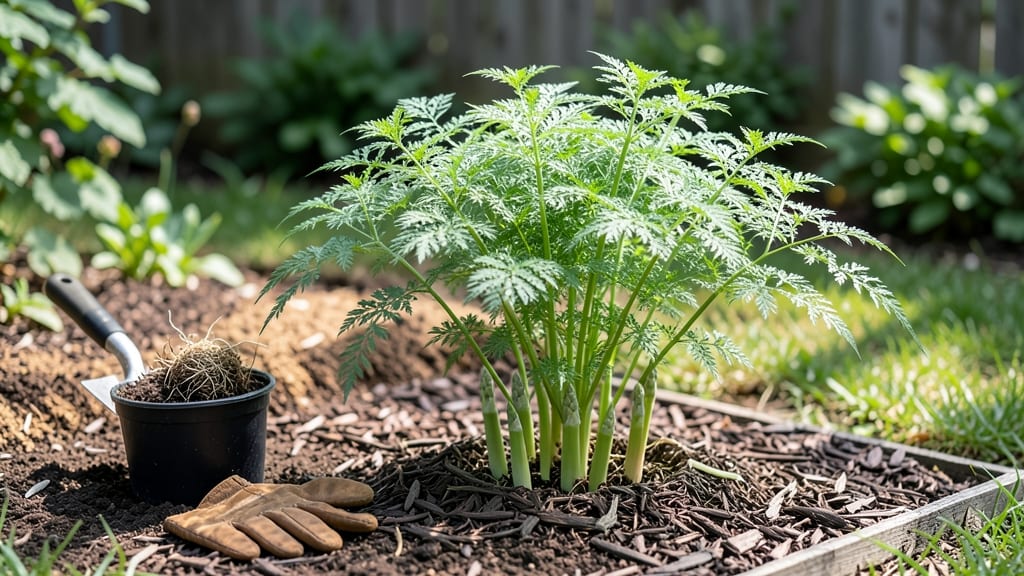
Planting asparagus in Alabama isn’t just about timing—it’s about avoiding the one mistake that kills most first-time crops before they even sprout. Unlike cooler climates, Alabama’s 7b-8b zones demand precision: plant too early, and frost zaps your crowns; too late, and you miss the 30-day soil-warming window before spears emerge.
I’ve grown asparagus here for years, and the difference between a thriving 🌱 patch and a failed experiment comes down to two things: knowing your last frost date (mid-March in most areas) and preparing the soil 4-6 weeks beforehand.
Skip either, and you’re fighting humidity and heat instead of harvesting tender spears by May.
What you’re about to learn isn’t just “when” to plant—it’s how to outsmart Alabama’s climate. We’ll cover the exact months for crowns vs. seeds, soil tricks to speed up germination, and why mulch isn’t optional. Ready to turn your garden into a spear-producing machine?
The best part? Once established, your asparagus will reward you for 3-5 years with minimal effort. Let’s get those crowns in the ground the right way—no guesswork, just results.
Alabama asparagus planting calendar: best months by hardiness zone
Alabama’s USDA Zones 6A-8B create a unique challenge for asparagus growers—plant too early, and frost kills young crowns; too late, and spears struggle to establish before summer heat. The optimal window is February through early April, but exact timing depends on your zone and microclimate.
Let’s break it down by region to ensure your asparagus thrives from the first spear.
North Alabama (Zones 6A-7A) has the shortest frost-free season, with average last frost dates between March 15-25. Here, aim to plant 1-year-old crowns 4-6 weeks before your local last frost—typically mid-February to early March.
Soil must reach 40°F+ for roots to activate; use a soil thermometer to confirm.
Central Alabama (Zones 7B-8A) offers a longer window, with last frosts around March 1-15. Plant here from late February through early April.
The Gulf Coast (Zone 8B) can start as early as January 15, but avoid planting before February 1—soil warming is critical to prevent rot in cooler winter soils.
🌱 Pro Tip: Alabama’s humidity and heat demand extra care. After planting, mulch with 3-4 inches of straw to retain moisture and regulate soil temperature.
| Zone | Last Frost Date | Ideal Planting Window | Soil Temp Threshold | Key Risk |
|---|---|---|---|---|
| 6A-7A (North AL) | March 15-25 | Mid-Feb to early March | 40°F+ | Late frost kills |
| 7B-8A (Central AL) | March 1-15 | Late Feb to early April | 40°F+ | Slow germination |
| 8B (Gulf Coast) | Feb 15-March 1 | Jan 15-Feb 15 | 45°F+ | Root rot risk |
If you miss the spring window, fall planting is possible in Zone 8B (Gulf Coast only). Plant 8-10 weeks before first frost—typically October 15-November 1—but expect reduced first-year spears as plants focus on root establishment. Avoid fall planting in Zones 6A-7A; crowns won’t survive winter.
For container growing in colder zones, plant in late March and move pots to a protected location (e.g., under a hoop house) if night temps drop below 35°F. Containers warm up faster than soil, giving you a 2-3 week extension for spring planting.
🌿 Soil Prep Secret: Alabama’s clay-heavy soils drain poorly—amend with compost and coarse sand to a depth of 12 inches before planting. Test pH; asparagus thrives in 6.5-7.5. If your soil is acidic (<6.0), add lime 2-3 months before planting.
Once planted, avoid harvesting spears the first year—let foliage grow to build roots. In Year 2, harvest 5-10 spears in spring, then stop harvesting by June to allow energy to return to roots. By Year 3, you’ll see full production if planted correctly.
☀️ Sunlight Reminder: Asparagus needs 6+ hours of direct sun daily. In Alabama’s summer heat, provide afternoon shade in Zones 7B+ to prevent stress. Drip irrigation is ideal—keep soil consistently moist but not soggy.
How to time asparagus planting for Alabama’s microclimates (and avoid frost kills)
Alabama’s diverse microclimates mean your North Alabama garden (like Huntsville) may freeze while Mobile’s Gulf Coast enjoys early springs. To avoid frost-killed crowns, adjust planting dates based on your last frost date and soil temperature.
Most Alabama regions experience last frost between mid-March and early April, but Zone 7A areas (like Cullman) can linger colder.
For successful germination, soil must reach 40°F+—a threshold often met by late February in Mobile but not until early April in Birmingham. Use a soil thermometer to confirm readiness. Planting too early in cold soil risks rotten crowns, while waiting too long delays your first harvest.
Black plastic mulch is my go-to trick for Zone 7A gardeners. Lay it over beds 2–3 weeks before planting to warm soil by 5–10°F. Remove it after planting to prevent overheating. In warmer Gulf Coast zones (8A/8B), you can plant as early as February, but aim for mid-March to balance risk and reward.
🌡️ Alabama Asparagus Planting by Microclimate
| Region | USDA Zone | Last Frost | Planting Window | Soil Temp Goal |
|---|---|---|---|---|
| North Alabama (Huntsville) | 7A | Mid-April | Late March–Early April | 40°F+ |
| Central Alabama (Birmingham) | 7B | Early April | Late February–March | 40°F+ |
| South Alabama (Mobile) | 8A/8B | Mid-March | February–Early March | 45°F+ |
💡 Pro Tip: Use row covers if planting early in Zone 7A to protect from late frosts.
If you’re in Zone 8B (like Daphne), you can even try a fall planting in October for an early spring harvest. However, fall-planted crowns need extra mulch (6+ inches of straw) to insulate roots from winter temperature swings.
Monitor soil moisture—drought stress in winter is just as harmful as frost.
For container growing in Alabama’s urban areas, use black pots to absorb heat. These can push soil temps up by 10°F compared to standard containers. Just ensure pots have drainage holes to prevent waterlogged roots, which asparagus hates.
Place containers in full sun and move them to a sheltered spot if a late frost is forecasted.
Remember: Patience pays off with asparagus. While you’ll see foliage in year 1, the first harvestable spears won’t appear until year 2 or 3.
But with Alabama’s 210 frost-free days, you’ll enjoy 3–5 years of harvests if you plant at the right time and protect young crowns from unexpected late frosts.