
Plants
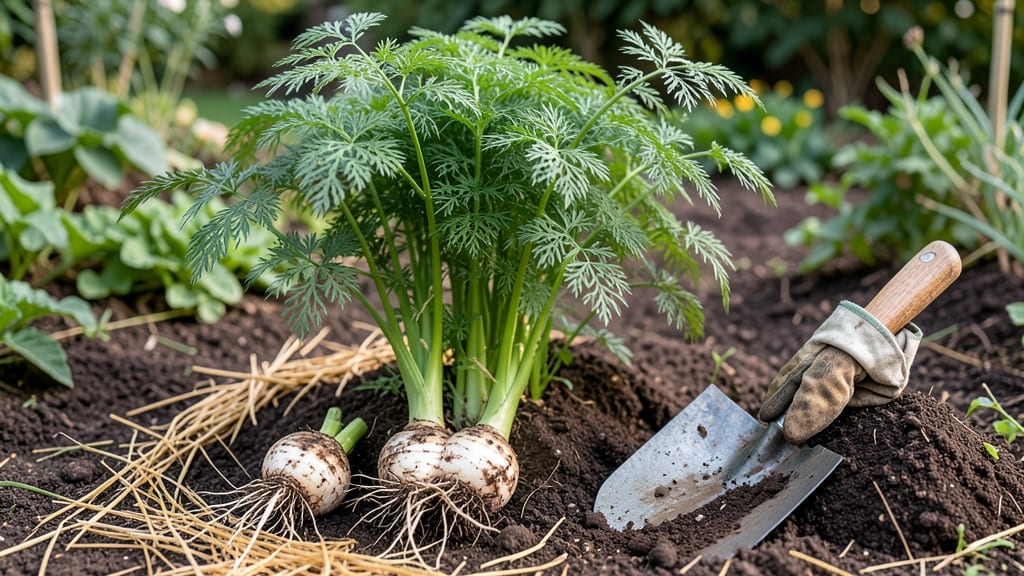
Planting asparagus in Louisiana might seem tricky with its warm climate and humidity, but getting the timing right can mean the difference between a thriving garden and a disappointing harvest.
The key is understanding how the state's 8a-9b zones affect your planting schedule, especially since asparagus crowns need a cool window to establish strong roots before summer heat sets in.
For most Louisiana gardeners, the ideal time to plant asparagus is between late February and early March, just before the last frost date. This gives your 🌱 asparagus crowns a head start while avoiding the extreme heat of summer planting.
But there's more to it than just the calendar—soil prep and variety selection play huge roles in success, especially in Louisiana's clay-heavy soils.
If you're wondering whether to plant in early fall or stick with late winter, I'll break down the pros and cons of each approach. We'll also cover how to prepare your soil to prevent common Louisiana gardening challenges like crown rot and pest issues.
By the end, you'll have a clear, step-by-step plan tailored to your specific region's microclimate.
Ready to grow asparagus that thrives in Louisiana's heat? Let's dive into the exact planting schedule, soil hacks, and variety recommendations that will set you up for a bountiful harvest in just a few years. Your future spears will thank you!
Best planting months for Louisiana asparagus: heat Zone 8a-9a guide
Louisiana’s USDA Heat Zones 8a-9a create a unique growing window for asparagus, but timing is critical to avoid root stress from summer heat. Unlike cooler climates, Louisiana gardeners must plant crowns (not seeds) to establish strong roots before the oppressive humidity of late spring.
The ideal window is late winter to early spring, specifically February through March, when soil temperatures hover around 60-70°F—perfect for root growth.
Planting too early risks frost damage (even in Zone 9a, late-winter frosts can occur), while planting too late delays root establishment, leading to reduced first-year yields. Coastal areas (like New Orleans) have a 2-3 week later window than inland regions due to milder winters, so adjust accordingly.
For example, Shreveport gardeners should aim for mid-February, while Baton Rouge growers can wait until late February to early March.
Here’s the golden rule: Plant asparagus crowns 3-4 weeks before your last frost date. In Louisiana, this typically lands in early March for most areas, but always check your local frost-free date (usually mid-February for inland regions).
Pro tip: Use a soil thermometer to confirm the ground is 55°F or warmer—this ensures roots won’t sit in cold soil and rot.
If you miss the spring window, fall planting is risky in Louisiana due to the state’s humid summers and potential hurricane season disruptions.
However, late summer (August) can work in cooler inland microclimates (like north Louisiana), but this is not recommended for coastal areas where high heat and humidity stress young plants.
For first-time growers, focus on crowns (not seeds) because they establish faster in Louisiana’s short growing season. Seeds take 2-3 years to mature, while crowns yield spears in the first year if planted correctly.
Choose 1-year-old crowns with white, firm roots and 3-4 healthy buds—these are the best performers in our climate.
One common mistake? Planting crowns too shallow. In Louisiana’s clay-heavy soils, bury crowns 6-8 inches deep (deeper than northern climates) to protect roots from heat stress and drought.
Space them 12-18 inches apart in rows 3 feet apart to allow airflow and reduce fungal diseases like rust, which thrive in our humidity.
🌱Key Takeaway: Louisiana’s heat zone nuances mean coastal vs. inland timing differs by 2-3 weeks. Always plant crowns in early spring (March) for best results, and avoid fall planting unless you’re in a cooler microclimate.
🌱 Louisiana Asparagus Planting Summary
| Stage | Action | Notes |
|---|---|---|
| Early Spring (Feb-Mar) | Plant crowns 6-8" deep | Soil temp: 55-70°F |
| Late Spring (Apr) | Water deeply weekly | Avoid overhead watering |
| Summer (Jun-Aug) | Mulch heavily | Prevents heat stress |
| Fall (Oct-Nov) | Apply compost | Boosts next year’s growth |
After planting, mulch with 3-4 inches of straw or pine needles to retain moisture and regulate soil temperature—a must-do in Louisiana’s hot summers. Avoid synthetic mulches, which can overheat roots.
In Zone 9a, asparagus may go dormant in summer due to heat, but this is normal—just reduce watering until temperatures drop below 90°F.
For coastal gardeners, watch for salt spray near the Gulf—this can burn young shoots. If your asparagus bed is within 100 feet of the coast, flush the soil with fresh water after storms to remove salt buildup.
Inland growers should test soil pH (aim for 6.5-7.0acidic clay soils often need lime amendments to prevent nutrient lockout.
💡Pro Tip: Mark your planting date on a garden calendar—Louisiana’s short harvest window (March-May) means you’ll want to harvest spears for 6-8 weeks before the heat sets in. Plan to stop harvesting by late May to let the plant replenish energy for next year’s growth.
Best planting months for Louisiana asparagus: heat Zone 8a-9a guide
Louisiana’s USDA Zones 8a-9a create a unique growing window for asparagus—one where late winter to early spring planting is ideal. Unlike northern climates, we avoid freezing soil, but heat and humidity demand precise timing to prevent crown rot and slow root growth.
The best window is February through March, aligning with soil warming and before summer’s relentless sun.
For asparagus crowns (the preferred method), aim to plant 3-4 weeks before your last frost date—typically by mid-February in most of Louisiana.
This gives roots time to establish before temperatures climb above 85°F, which stresses young plants. Seed planting, while possible, is riskier in our climate and requires earlier sowing (late fall) for viable spring harvests.
Here’s how Louisiana’s microclimates tweak timing: Coastal areas (like Zone 9a) can push planting to early April, while inland regions (e.g., Zone 8a) should stick to February-March to avoid early heat spikes. Soil temperature is your best guide—wait until it hits 50°F at 4” depth before planting.
| Planting Method | Ideal Months | Soil Temp Requirement | Notes |
|---|---|---|---|
| Crowns (Recommended) | February–March | 50°F+ at 4" | Plant 6–8" deep, 12–18" apart |
| Seeds (Riskier) | Late Fall (Oct–Nov) | 60°F+ at 2" | Slow germination; needs winter protection |
| Transplants | March–Early April | 55°F+ at 4" | Choose established 1-year-old crowns |
If you miss the primary window, a secondary option exists: Plant in late summer (August) for a fall harvest, but yields will be smaller. This method is risky in Louisiana due to hurricane season and fungal pressure.
Always prioritize drainage—our heavy clay soils demand amendments like compost or sand to prevent waterlogged roots.
Pro tip: Mark your calendar for March 1st—this is the sweet spot for most of Louisiana. By then, soil has warmed, frost threats have passed, and you’ve dodged the worst of winter rains. Pair this with morning watering and mulch to retain moisture during spring’s dry spells.
Remember, asparagus is a perennial investment—it takes 2-3 years to establish a full harvest. Planting at the right time ensures your crowns grow strong roots before summer’s heat arrives, setting you up for decades of harvests. Don’t rush—wait for that 50°F soil temp or risk stunted growth.