
Plants
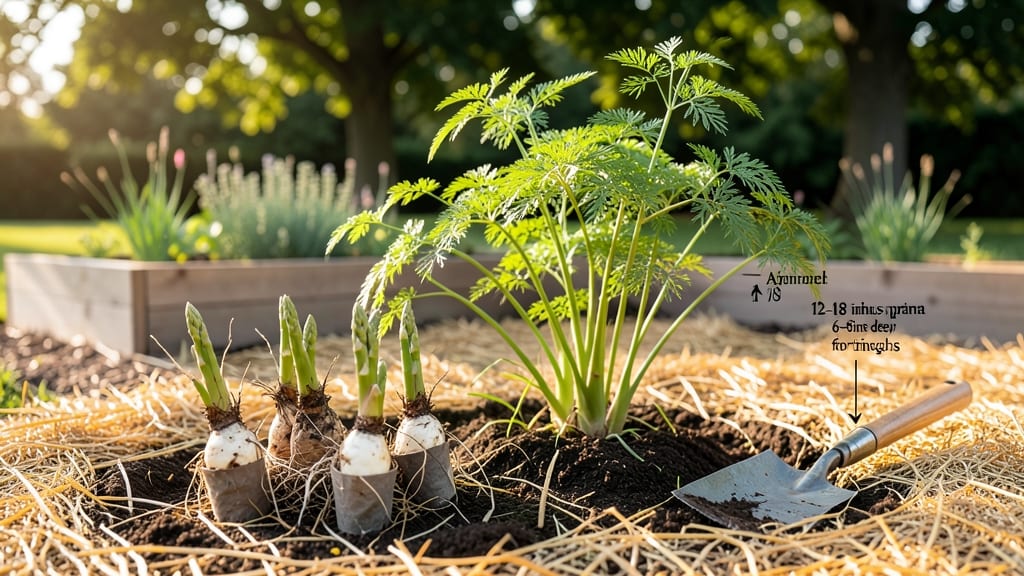
If you're planting asparagus in Zone 8, timing is everything—get it wrong, and you might wait 3 years for your first harvest instead of just 2.
The key lies in those crisp late winter days when the soil is cool but workable, and the last frost is still weeks away.
Most gardeners swear by planting 1-year-old crowns between January and March, but why? Asparagus needs 6-8 weeks of cool soil to establish roots before the heat of spring kicks in.
In Zone 8, that means beating the rush of early warmth—especially if you're inland where temperatures climb faster than coastal areas.
You might be tempted to wait for spring, but planting too late delays your first harvest by a full year. The secret? Prep your soil in December—amend it with compost, till it to a depth of 12 inches, and wait for temperatures to dip below 70°F at night.
That’s when the roots will thrive.
Once you’ve got the timing down, the next step is choosing the right variety—like ‘Mary Washington’ or ‘Jersey Knight’—that can handle Zone 8’s mild winters without bolting. Let’s break down the exact steps to set your asparagus up for a decades-long harvest.
Best planting timeline for asparagus in Zone 8 (with temperature guidelines)
Zone 8’s mild winters and long growing season make it a perfect zone for asparagus, but timing is everything. Plant too early, and your crowns may rot in damp soil; too late, and they won’t establish strong roots before summer heat.
The ideal window is late winter to early spring—when soil temperatures hover between 40°F and 50°F—but microclimates matter.
Inland areas like Phoenix or Las Vegas can plant as early as January, while coastal regions like San Diego may wait until February or March to avoid spring rains.
Always check your last frost date (typically mid-February to early March in Zone 8) and aim to plant 4-6 weeks before the first signs of new growth.
For best results, use 1-year-old crowns (not seeds) since they establish faster. Soak crowns in water for 1-2 hours before planting to jumpstart root growth. In Zone 8, avoid fall planting—the mild winters won’t provide enough dormancy, leading to weak plants.
Here’s your Zone 8 asparagus planting timeline, including soil prep and care tips tailored to your climate:
| Month | Task | Soil Temp (°F) | Notes |
|---|---|---|---|
| December | Soil prep | 50-60°F | Test soil pH (6.5–7.5); amend with compost. |
| January | Plant crowns | 40-50°F | Inland areas only; coastal wait until February. |
| February | Plant crowns | 45-55°F | Best for coastal Zone 8; avoid if soil is waterlogged. |
| March | Fertilize | 55-65°F | Apply balanced 10-10-10 fertilizer; water deeply. |
| April | Mulch | 60-70°F | Add 2-3 inches of mulch to retain moisture. |
After planting, protect young shoots from pests like cutworms by using row covers in early spring. Zone 8’s warm winters mean no need for frost blankets, but watch for aphids or spider mites—common in dry climates.
Once established, asparagus is drought-tolerant, but keep soil moist for the first 2 growing seasons to encourage strong root growth.
Your first harvest won’t come until year 2 or 3, but patience pays off. In Zone 8, you can enjoy spring harvests from March to June, with some varieties producing spears year-round if given ideal conditions.
For continuous production, plant Mary Washington or Jersey Knight—both thrive in warm climates and resist bolting.
Pro tip: Mark your planting spots with stakes or flags to avoid disturbing roots during weeding. Asparagus crowns live 15-20 years, so choose a permanent location with full sun and well-draining soil. If your soil is heavy clay, consider raised beds to improve drainage and prevent rot.
Remember, soil temperature is your best guide. Use a soil thermometer to confirm conditions before planting—crowns won’t sprout until soil reaches 50°F consistently. With the right timing, your Zone 8 asparagus patch could become the star of your garden for decades! 🌱
Best planting timeline for asparagus in Zone 8 (with temperature guidelines)
Zone 8’s mild winters and long growing season make asparagus a fantastic choice, but timing your planting is everything. Unlike northern climates, you won’t deal with harsh freezes, but soil temperature and frost-free windows still dictate success.
Planting too early risks rot in cold, wet soil, while waiting too long can stunt root growth. The sweet spot? Late winter to early spring, when soil warms to 50°F (10°C)—typically February to March in most of Zone 8.
For Zone 8 gardeners, crowns (not seeds) are the way to go—they establish faster and yield sooner. 1-year-old crowns should be planted 6-8 inches deep in trenches, with 12-18 inches between plants. This method mimics their natural growth habit and prevents crown rot.
If you’re in a coastal microclimate (like Southern California), you might even squeeze in a late winter planting in December, but inland areas should wait until after the last frost (usually mid-February to early March).
| Stage | Action | Soil Temp | Zone 8 Window |
|---|---|---|---|
| Soil Prep | Amend soil with compost; pH 6.5–7.5 | N/A | December–February |
| Plant Crowns | 6–8" deep, 12–18" apart | 50–60°F (10–15°C) | February–March |
| First Growth | Fern-like foliage emerges (no harvest) | 60–70°F (15–21°C) | March–April |
| Harvest Ready | Spears 6–8" tall, tight tips | 65–75°F (18–24°C) | Year 2–3 (March–June) |
Pro tip: Test your soil temperature before planting—stick a soil thermometer 4 inches deep.
If it’s below 50°F (10°C), wait a week or two. Cooler microclimates (like higher elevations in Zone 8) may need to wait until late March, while warmer coastal areas can plant as early as January.
The key is balancing root establishment with spring growth—plant too early, and roots rot; too late, and spears struggle to mature.
Once planted, mulch heavily (3–4 inches of straw or wood chips) to regulate soil temperature and retain moisture. Asparagus is perennial, so patience pays off—no harvest in year 1, but light harvests by year 2 and full production by year 3.
In Zone 8, you’ll enjoy spring harvests for decades if you nail the timing now. Just remember: soil temp > air temp when deciding when to dig in!
For container growing in Zone 8, plant crowns in large pots (18" deep) and use a fast-draining mix. Containers warm up faster, so you can plant 2–3 weeks earlier than in-ground beds. Just ensure pots don’t dry out—asparagus roots are shallow and hate drought stress. 🌱