
Plants
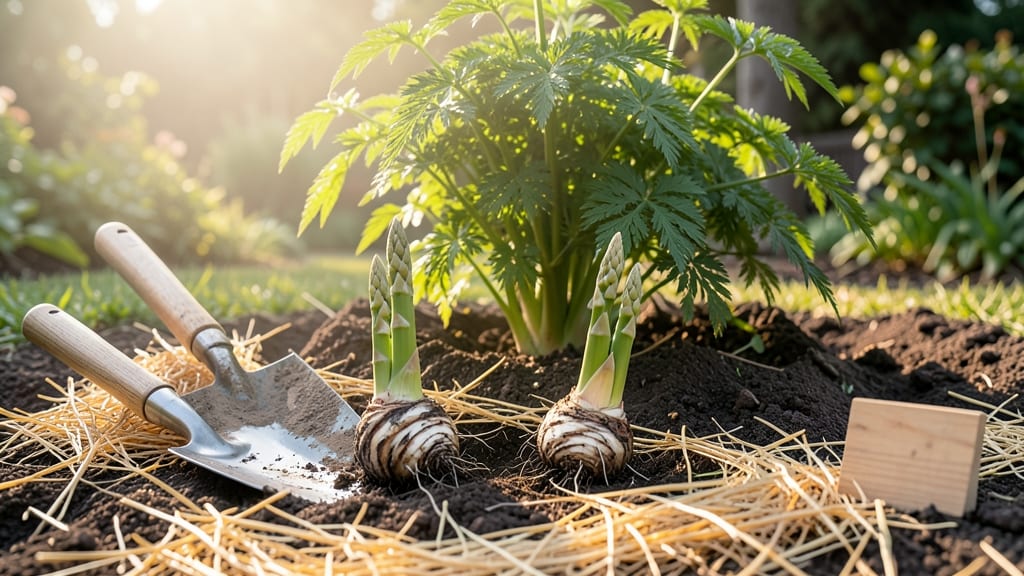
Planting asparagus in Maryland at the wrong time can mean the difference between a thriving perennial crop and years of disappointment.
The key to success lies in understanding your 7a-7b zone's frost patterns and soil readiness—because asparagus crowns need 40-50°F soil to root properly, and Maryland's unpredictable spring weather makes timing everything.
Most gardeners in Maryland rush to plant asparagus too early, only to watch their young shoots freeze back. The ideal window opens in early March when soil temperatures stabilize, but you must act before the last frost hits around mid-April.
This narrow period is your chance to establish strong roots before summer heat sets in.
Whether you're working with crowns (the preferred method for faster harvests) or seeds (for variety), proper planting depth and spacing are critical. We'll cover exactly how deep to bury crowns (4-6 inches) and why Maryland's clay-heavy soils need extra compost to prevent waterlogging.
Stick with me, and you'll learn the exact steps to plant asparagus for a 5-year harvest—plus how to avoid common Maryland mistakes like deer damage and fungal issues. Let's get those spears growing!
Maryland asparagus planting timeline: frost dates and soil temperature guide
Maryland’s USDA zones 6b-7a create a narrow 4-6 week window for planting asparagus crowns—typically mid-March through early April. This aligns with soil temperatures reaching 40-50°F, ideal for root establishment before summer heat arrives. Missing this window means weaker plants or delayed harvests.
For Western Maryland (zones 6b), aim for late March when average last frost dates pass. In Baltimore and Annapolis (zone 7a), you can plant as early as mid-March, but watch for unpredictable cold snaps. Fall planting is not recommended due to Maryland’s wet autumns increasing fungal risks.
Asparagus crowns should be planted when soil is workable but not soggy. Use a soil thermometer to confirm temps—below 40°F delays growth, while above 60°F stresses young roots. Maryland’s humid summers mean you’ll need to monitor moisture closely after planting.
🌱
| Region | USDA Zone | Planting Window | Soil Temp | Key Risk |
|---|---|---|---|---|
| Western MD | 6b | Late March | 40-50°F | Late frosts |
| Baltimore | 7a | Mid-March | 45-55°F | Humidity |
| Annapolis | 7a | Mid-March | 45-55°F | Saltwater winds |
| Eastern Shore | 7a | Late March | 40-50°F | Soil salinity |
Maryland gardeners often debate crowns vs. seeds—and the answer is clear: crowns win for faster harvests. Crowns establish in 2-3 years, while seeds take 3-5 years. For Maryland’s climate, choose 1-year-old crowns with 8-10 healthy buds from reputable nurseries like Johnny’s Selected Seeds or Baker Creek.
Prepare beds by amending soil with compost and aged manure to reach a pH of 6.5-7.5. Maryland’s clay-heavy soils in many areas require sand or peat moss to improve drainage. Test soil moisture by squeezing a handful—it should crumble but not stick when dry.
After planting, mulch heavily with straw or wood chips to retain moisture and suppress weeds. Maryland’s hot, humid summers demand consistent watering—1-2 inches per week—but avoid overhead sprinklers to prevent fungal diseases like rust, common in wet springs.
💧
Remember: First-year asparagus should not be harvested—let foliage grow to build roots. In Maryland, this means no spears in year one, minimal harvests in year two, and full production by year three. Patience pays off with 20+ years of harvests from a single planting!
Maryland asparagus planting timeline: frost dates and soil temperature guide
Maryland’s USDA zones 6b-7a create a tight window for planting asparagus—typically 4-6 weeks before the last spring frost. For most of the state, this means late February to early April, but timing varies by region.
In Baltimore and Annapolis, aim for mid-March to early April, while Western Maryland’s cooler microclimates may need planting as late as early April.
Asparagus crowns thrive when soil temperatures reach 40-50°F. Use a soil thermometer to confirm—planting too early in cold soil can stunt root growth.
Maryland’s average last frost date hovers around mid-April, but microclimates near Chesapeake Bay may warm earlier, while inland areas like Frederick County often lag by 1-2 weeks.
| Region | Ideal Planting Window | Soil Temp Goal | Key Consideration |
|---|---|---|---|
| Baltimore/Annapolis | Mid-March to Early April | 45-50°F | Urban heat islands may warm soil faster |
| Western MD (Frederick) | Early April | 40-45°F | Cooler nights delay soil warming |
| Eastern Shore | Late March | 42-48°F | Bay influence moderates temperatures |
| All Regions (Fall Option) | Late August to Early Sept | 55-65°F | Roots need 4-6 weeks to establish before frost |
For Maryland gardeners, crowns are the preferred planting method over seeds due to faster maturity. Plant crowns 4-6 inches deep in trenches, spacing them 12-18 inches apart. This method ensures spears appear in 2-3 years instead of the 3-4 years seeds require.
Avoid planting asparagus in low-lying areas where water pools—Maryland’s humid springs and summer rains demand excellent drainage.
Fall planting is possible in Maryland but riskier due to early November frosts. If attempting, plant 8-10 weeks before first frost (typically late August to early September) and ensure roots establish before cold sets in. Use mulch (straw or leaves) to insulate crowns through winter.
Monitor local frost forecasts from the National Weather Service or Maryland Department of Agriculture for real-time adjustments. In 2023, unexpected late frosts in early May damaged early plantings in Southern Maryland—proof that flexibility matters.
Once planted, asparagus crowns need consistent moisture but no standing water. Maryland’s clay-heavy soils often require amending with compost or sand to prevent waterlogging. Test soil pH (6.5-7.5) before planting—Maryland’s native soils often lean acidic.